North Vancouver Garage Door Guide
How to Keep Mice and Pests From Entering Under a Garage Door
Mice can enter through surprisingly small gaps and may chew soft weather stripping. A durable solution combines door sealing with sanitation, exterior exclusion, and monitoring.
Request a seal and alignment assessment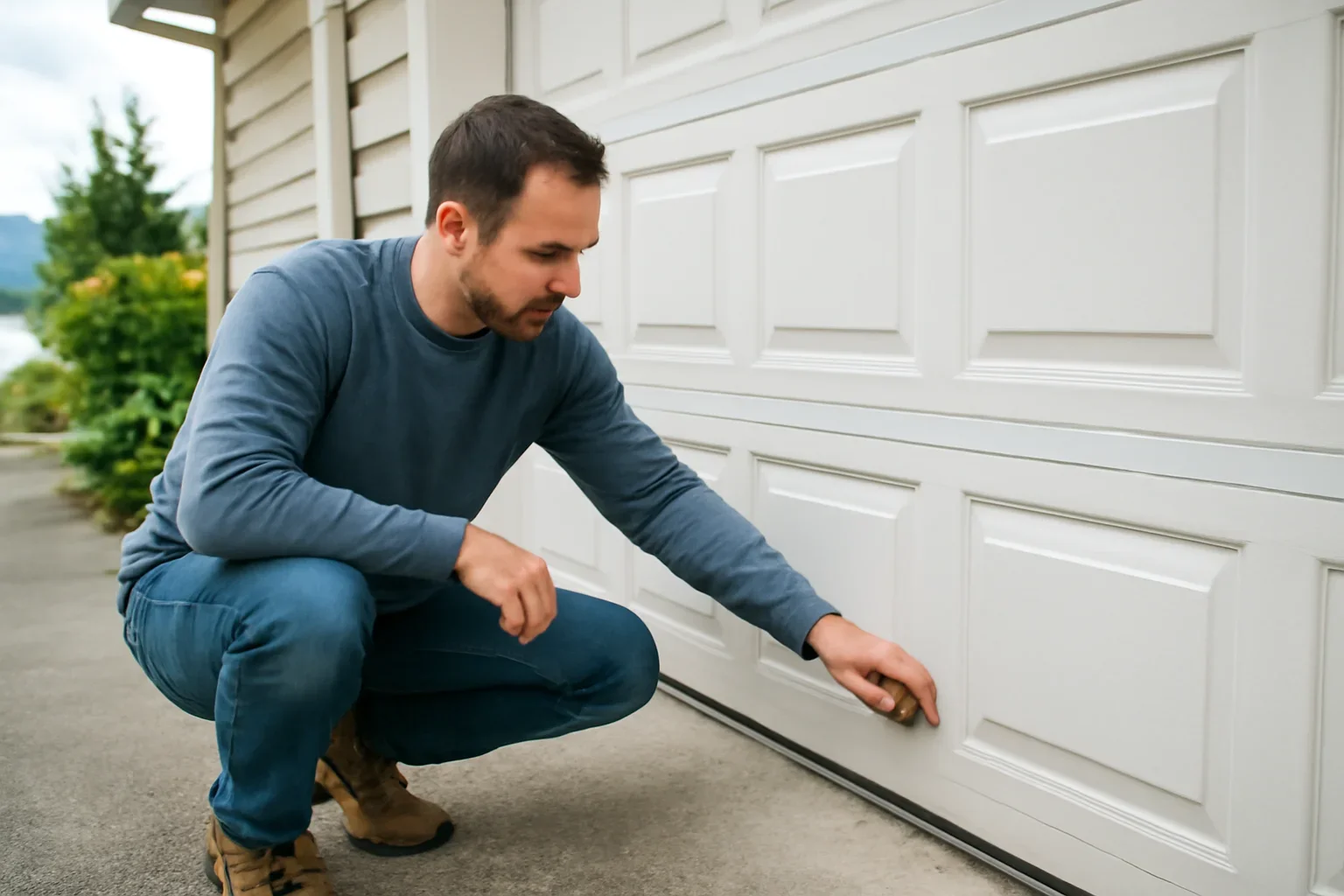
Quick answer
To keep mice and pests out, close the physical gaps at the bottom, sides, and corners; replace chewed or hardened seals; correct uneven door contact; and remove food, nesting material, and hiding places inside the garage. Do not use a seal alone if drainage or alignment is poor.
What to understand first
Bottom corners are common entry points
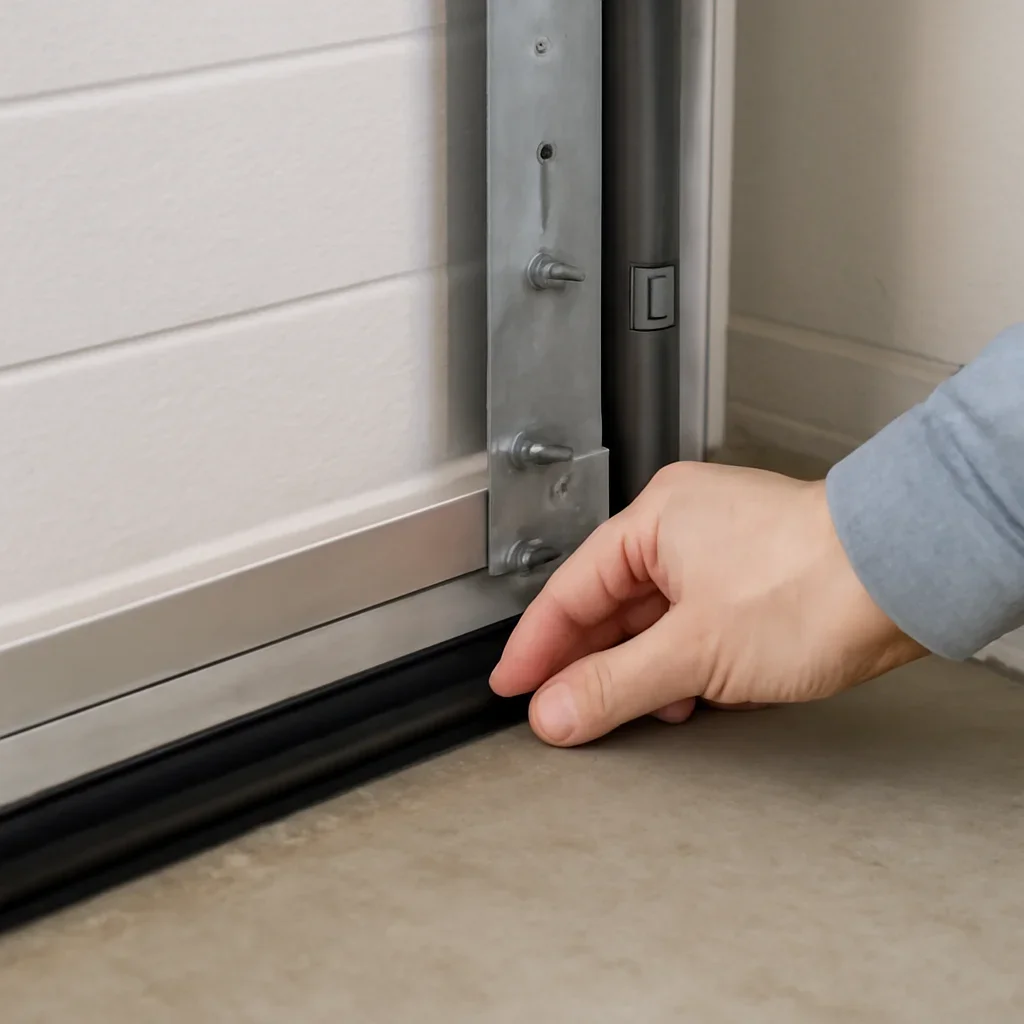
The meeting point between side seal, bottom seal, track, and floor can leave a small opening.
Uneven floors create protected channels
A low spot may remain even with a new bottom seal.
Chewed seals indicate an ongoing attraction
Stored seed, pet food, garbage, and clutter can keep pests returning.
Water control and pest control overlap
A threshold or larger seal should not trap water or interfere with safe door closure.
Safe checks and next steps
- Inspect the door after dark with interior lights on. Look for visible gaps without placing hands near moving parts.
- Replace damaged weather seal. Use the correct profile and material for the door.
- Address floor and corner gaps. Consider a coordinated bottom seal, side seal, and threshold where appropriate.
- Store attractants in sealed containers. Remove food, nesting material, and easy shelter.
- Monitor for new chewing or droppings. Recurring evidence may require a licensed pest-control professional.
Do not loosen, wind, cut, or reposition garage door springs, cables, drums, bottom brackets, or loaded track hardware. Stop if the door is heavy, crooked, partly off track, or moving unpredictably.
North Vancouver conditions to consider
Wet weather can push rodents toward dry garages, while wooded and ravine-adjacent neighbourhoods provide abundant habitat. Exterior exclusion and storage habits matter as much as the door seal.
For adjacent guidance, review finding garage door gaps and choosing a bottom seal.
When professional service makes sense
Use garage-door service for alignment and seal fit, and pest-control expertise for an active infestation. Avoid placing loose poisons or traps where children or pets can access them.
The most relevant service resource is garage door seal replacement.
Frequently asked questions
Will steel wool under the door stop mice?
Loose material can interfere with door closure, rust, and create a hazard. Use a proper sealing system.
Can mice chew garage door seals?
Yes. Durable seal material and removal of attractants reduce recurrence.
Why is the gap worst at the corners?
Side seals, bottom seals, floor shape, and track geometry meet there, making fit more complex.
Get a clear next step for your garage door
Share what the door is doing, where it stops, which control you used, and any visible damage. The team can use those details to point you toward the appropriate inspection, repair, programming, or replacement service.
Request a seal and alignment assessment