Describe what changed
Share new sounds, movement changes, visible damage, opener behaviour, door position, and how access is affected.

Your garage door affects daily access, home security, storage, and the way your family enters and leaves the property. A useful repair should solve the immediate problem while checking the connected parts that influence safe, quiet, and dependable operation.
Residential repair is usually needed when the door becomes noisy, uneven, heavy, slow, stuck, unreliable, or unresponsive. The cause may involve springs, cables, rollers, tracks, sensors, controls, balance, seals, or the opener.
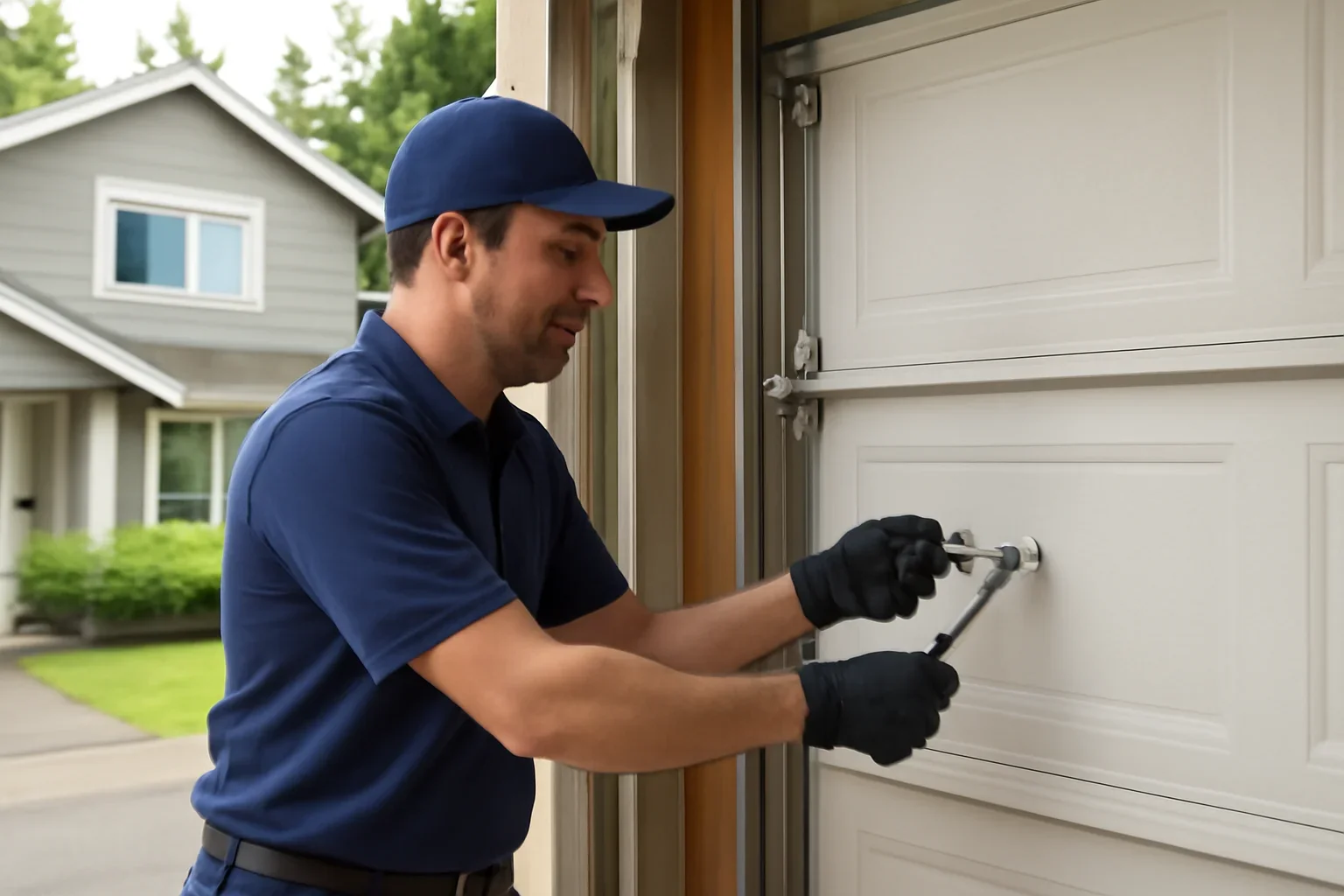
Keep children, pets, vehicles, and stored items away from the travel path when the door is crooked, off track, unusually heavy, partly supported, or showing a broken spring or loose cable. Do not force the opener to keep moving a damaged system.
Several components can create similar symptoms. These focused pages help narrow down the most likely repair category without requiring you to diagnose the system yourself.
For a loud snap, visible spring gap, unusually heavy door, or opener that struggles to lift the system.
Review broken spring repair →For hanging cable, uneven lifting, a crooked door, or movement that has become unstable on one side.
See cable repair guidance →For rattling, squeaking, vibration, rough travel, visible wear, or movement that no longer feels smooth.
Review roller replacement →For failed controls, inconsistent movement, motor strain, keypad trouble, remote faults, or an opener that stops responding.
Explore opener and remote repair →For a door that reverses, refuses to close, shows flashing lights, or behaves as though the opening is blocked.
Review sensor repair →For rollers outside the track, bent track sections, impact damage, or a door that is leaning, jammed, or unsafe to move.
See off-track repair →North Vancouver homes include older detached garages, attached garages beneath living space, townhomes, infill properties, steep driveways, narrow lanes, and shared access. The setting helps explain how the door is used and what may be contributing to wear.
Rain, damp air, leaves, and road grit can affect seals, tracks, rollers, fasteners, and exposed hardware.
Noise, vibration, insulation, and sealing may matter more when bedrooms or living areas are beside or above the garage.
Sloped driveways, narrow lanes, shared entrances, and limited parking can affect service access and workspace.
Preventive checks can help identify developing wear before it becomes a daily access problem. See the garage door maintenance and tune-up service.
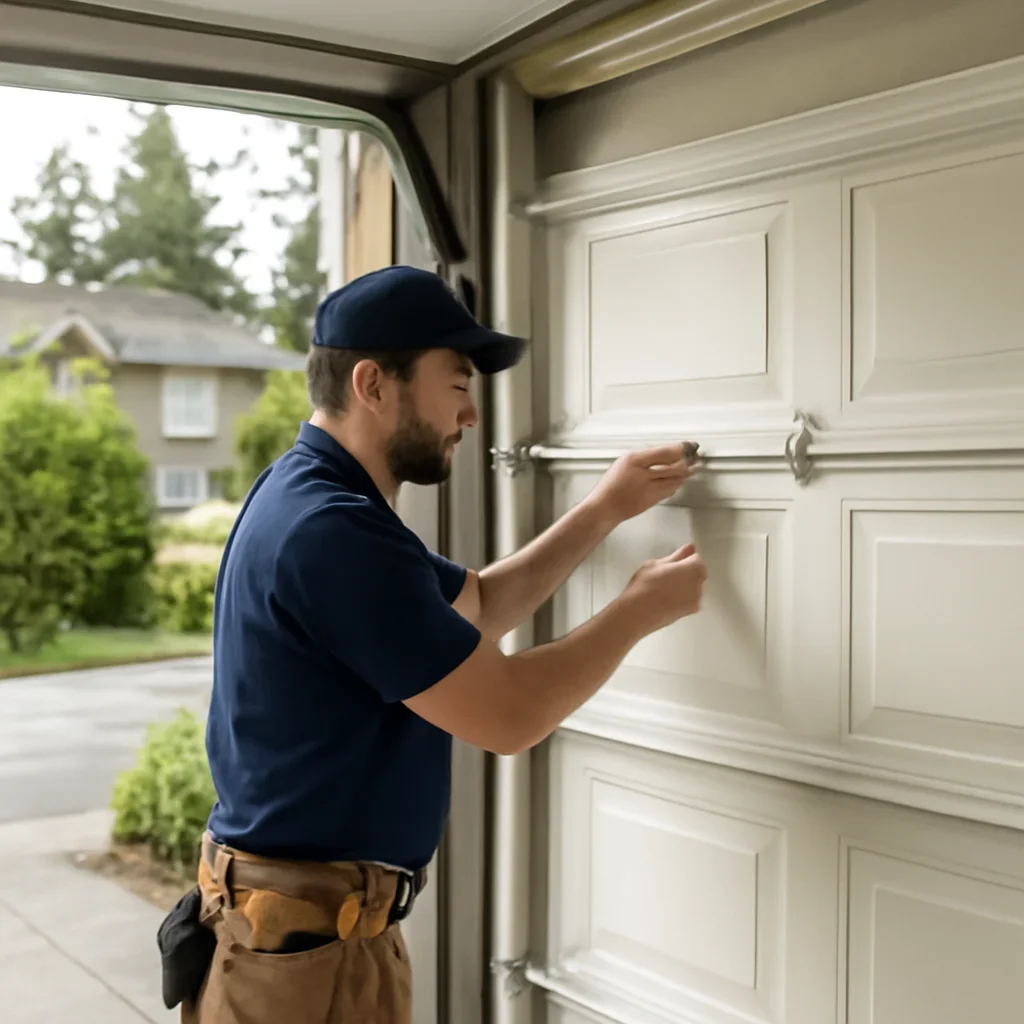
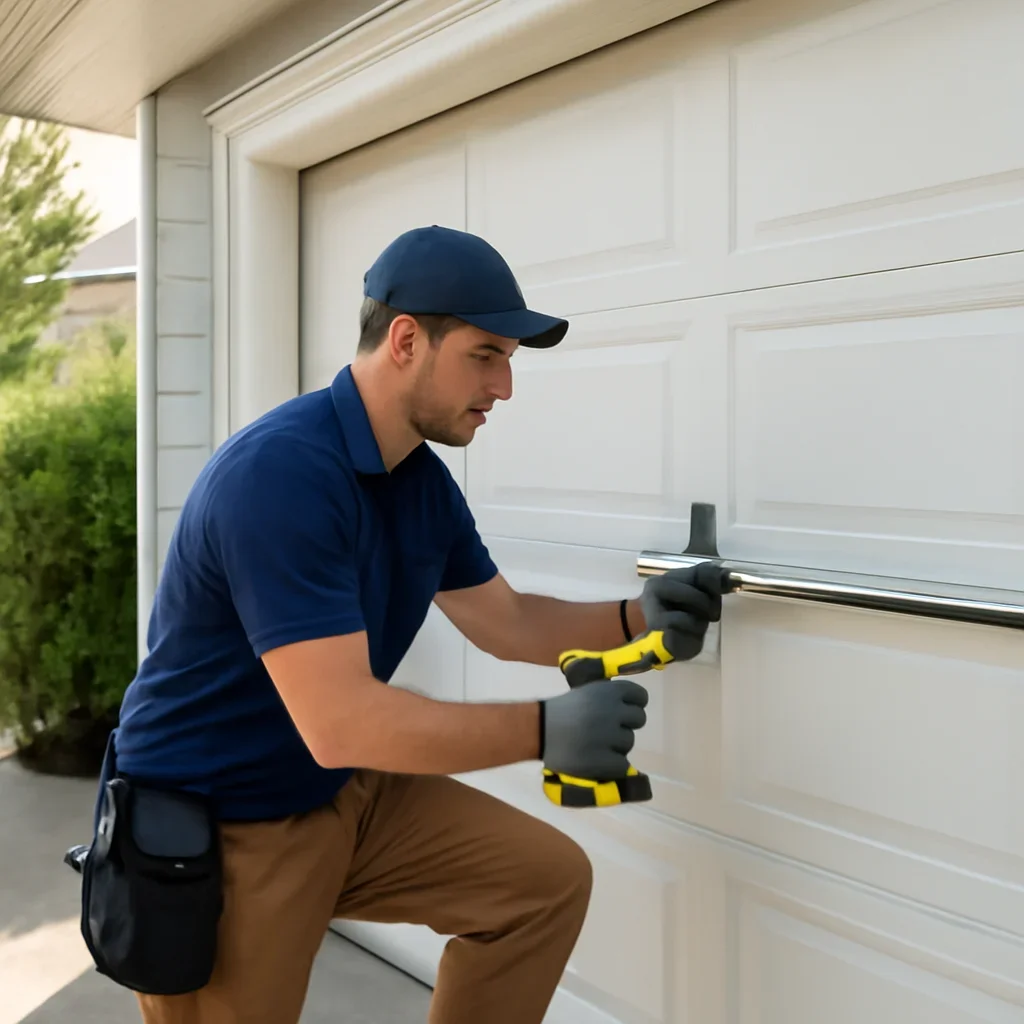
A residential door can continue moving while several parts are wearing unevenly. A complete assessment helps separate the immediate failure from conditions that may affect noise, balance, safety, or future reliability.
Check whether the door is level, heavy, binding, drifting, jerking, or placing unusual load on the opener.
Look for broken, loose, worn, bent, noisy, or misaligned components that affect controlled travel.
Confirm that automatic operation, safety reversal, remote access, closing position, and weather protection work correctly.
When the cause is unclear or damage followed an impact, use the garage door inspection service for a broader condition review.
The process should keep the recommendation understandable while confirming that the door is safe and dependable for normal household use.
Share new sounds, movement changes, visible damage, opener behaviour, door position, and how access is affected.
Review the door, balance, springs, cables, rollers, tracks, hinges, opener, controls, sensors, and seals.
The next step may be adjustment, part replacement, opener service, maintenance, panel work, or wider replacement planning.
Balance, travel, controls, sensors, safety reversal, closing position, noise, and overall movement are checked.
These pages cover common symptoms, weather protection, repair costs, neighbourhood coverage, and cases where replacement may be worth comparing.
These answers cover typical repairs, warning signs, local conditions, and the information that helps when requesting service.
Common residential repairs include broken springs, damaged cables, worn rollers, bent tracks, opener faults, sensor problems, failed remotes, weather-seal wear, loose hardware, and door balance issues.
Stop using the door when it is crooked, off track, unusually heavy, showing a broken spring or loose cable, making sudden severe noises, or moving in a way that could affect people, vehicles, or property.
Coastal moisture, wet debris, attached garages, steep driveways, narrow access, temperature changes, and older hardware can affect seals, tracks, rollers, springs, cables, openers, and door balance.
Provide the neighbourhood, property type, current door position, visible damage, unusual sounds, opener behaviour, whether a vehicle is trapped, and any steep, narrow, shared, or restricted access details.
Include the neighbourhood, property type, visible damage, new sounds, opener lights, whether the door is stuck or uneven, and whether access, security, storage, or a vehicle is affected.