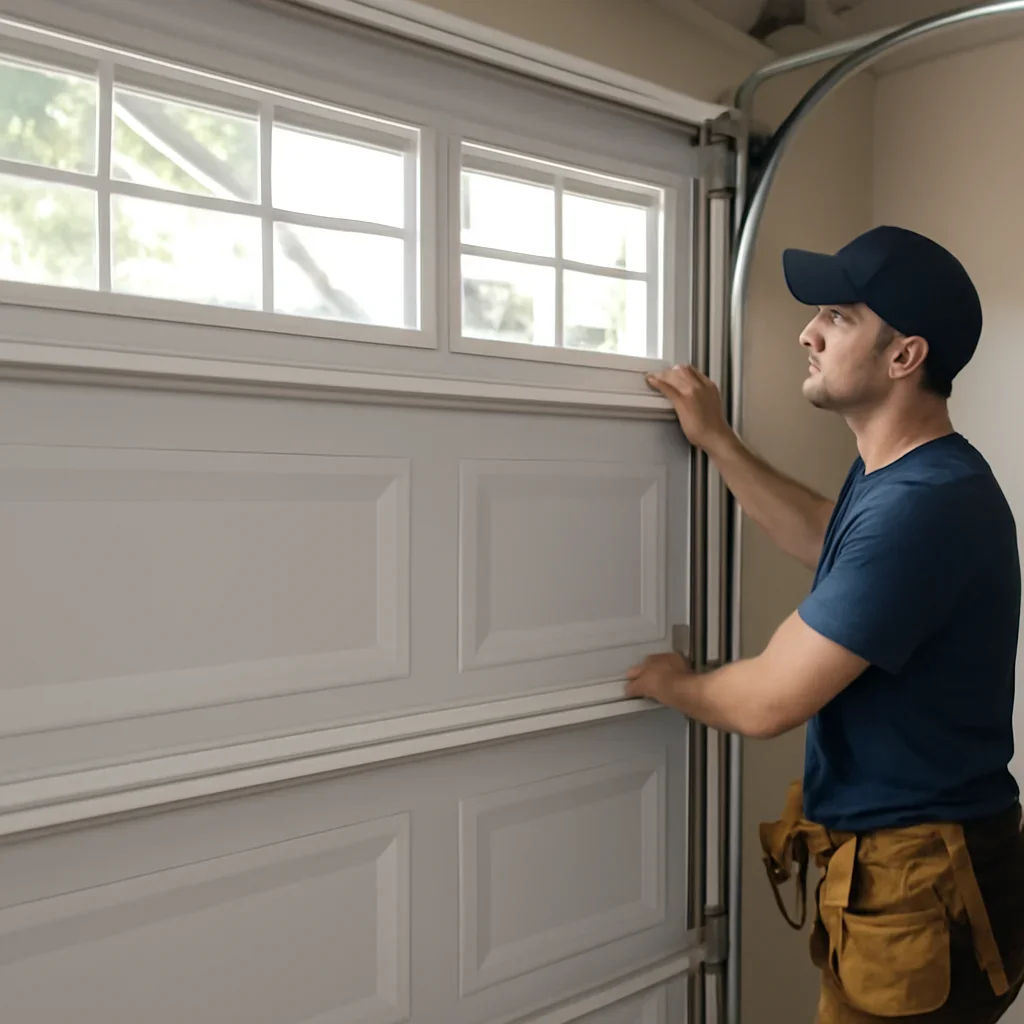
Widespread door damage
Multiple bent sections, severe impact damage, frame distortion, corrosion, or structural weakness can make a full replacement more practical.

A new garage door should improve more than curb appeal. It should fit the opening correctly, move smoothly, suit the way the garage is used, and stand up to local moisture, temperature changes, and daily wear.
Replacement is often the practical choice when damage is widespread, panels are unavailable, insulation is poor, corrosion is extensive, or repeated repairs no longer provide dependable value. A proper plan compares the existing system with the long-term goals for the property.
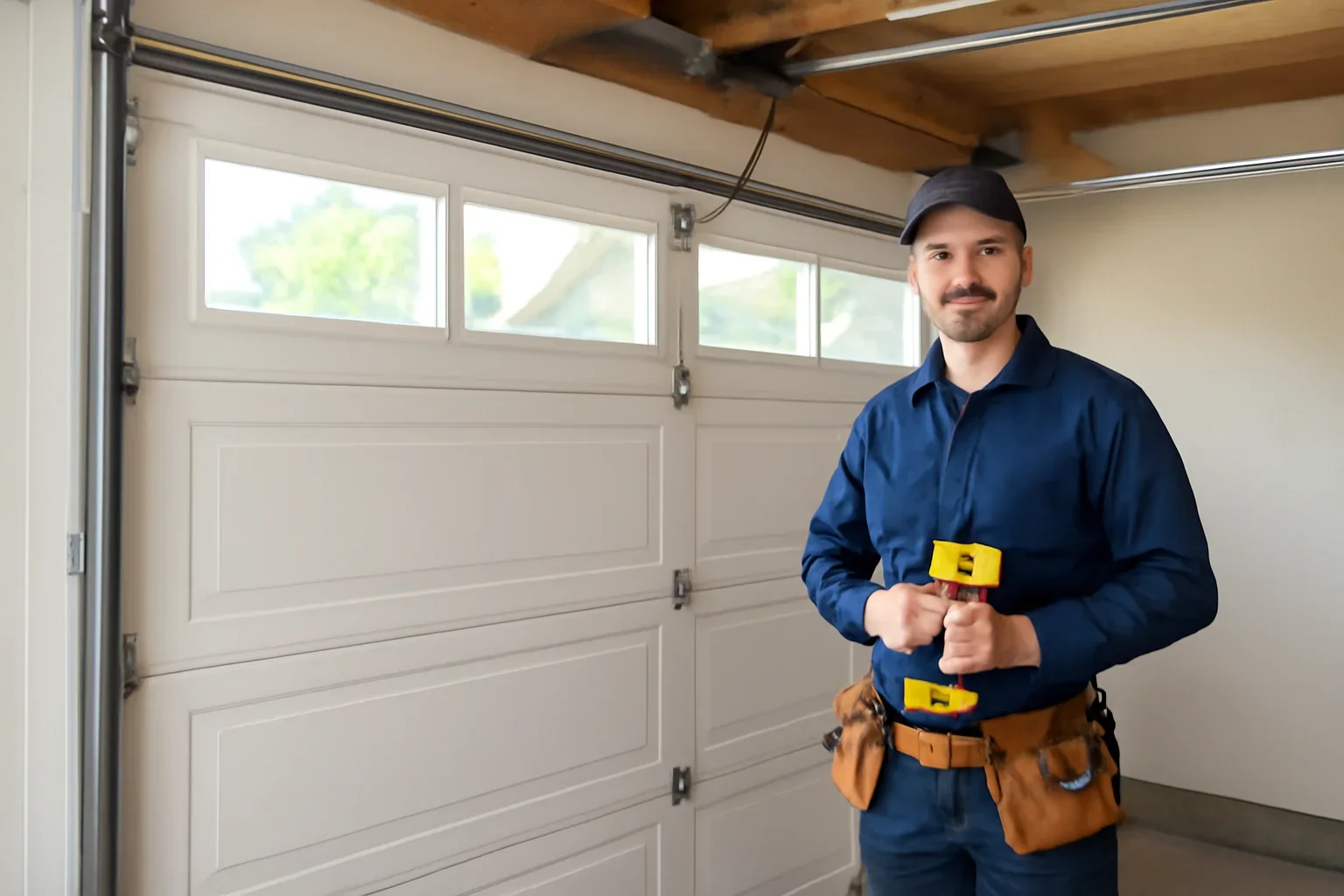
A damaged component does not always mean the entire door needs replacement. The stronger case appears when several condition, safety, efficiency, and availability concerns overlap.
Multiple bent sections, severe impact damage, frame distortion, corrosion, or structural weakness can make a full replacement more practical.
Ongoing problems with panels, rollers, tracks, seals, hardware, and opener strain may indicate that the full system is nearing the end of useful service.
An attached garage, workshop, or frequently used space may benefit from a better insulated door and more effective perimeter and bottom seals.
Replacement can update the exterior while improving operation, hardware condition, window placement, security, and compatibility with a newer opener.
North Vancouver includes older detached homes, newer infill properties, townhomes, strata garages, sloped driveways, and exposed coastal locations. The right replacement should respond to the actual opening, access, use, and surrounding architecture.
Material, finish, seals, fasteners, and hardware should suit damp conditions and regular wet debris.
Insulation and sealing may matter more when living space is beside or above the garage.
Steep, narrow, shared, or restricted access can influence delivery and installation planning.
A dedicated garage door inspection can help separate repairable problems from reasons to replace the complete door.
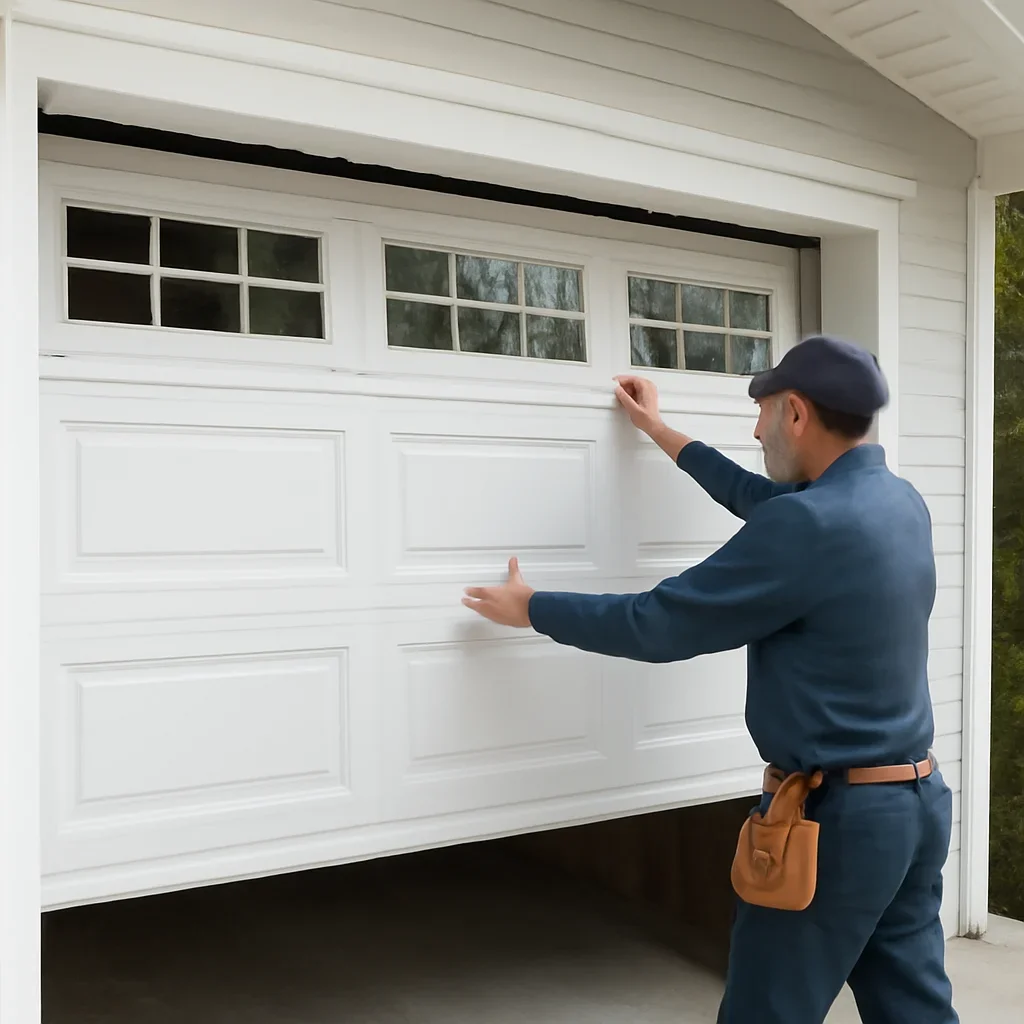
Door style matters, but so do operation, insulation, opener compatibility, seals, hardware, and installation quality.
Review opening measurements, door configuration, material, finish, insulation, window choices, hardware, and final setup.
Explore installation planning →Confirm that the opener suits the new door's size, weight, travel, safety requirements, control options, and expected daily use.
Review opener installation →Bottom and perimeter seals help manage drafts, water, debris, pests, and uneven contact around the garage opening.
See weather-seal options →When damage is limited, a matching replacement section may be worth comparing with the cost and benefits of a complete new door.
Compare panel replacement →If the door remains structurally sound, targeted repair may restore dependable use without replacing the complete system.
Review repair options →Learn how dents, cracks, impact damage, alignment problems, and unavailable matching sections can affect the decision.
Review panel damage →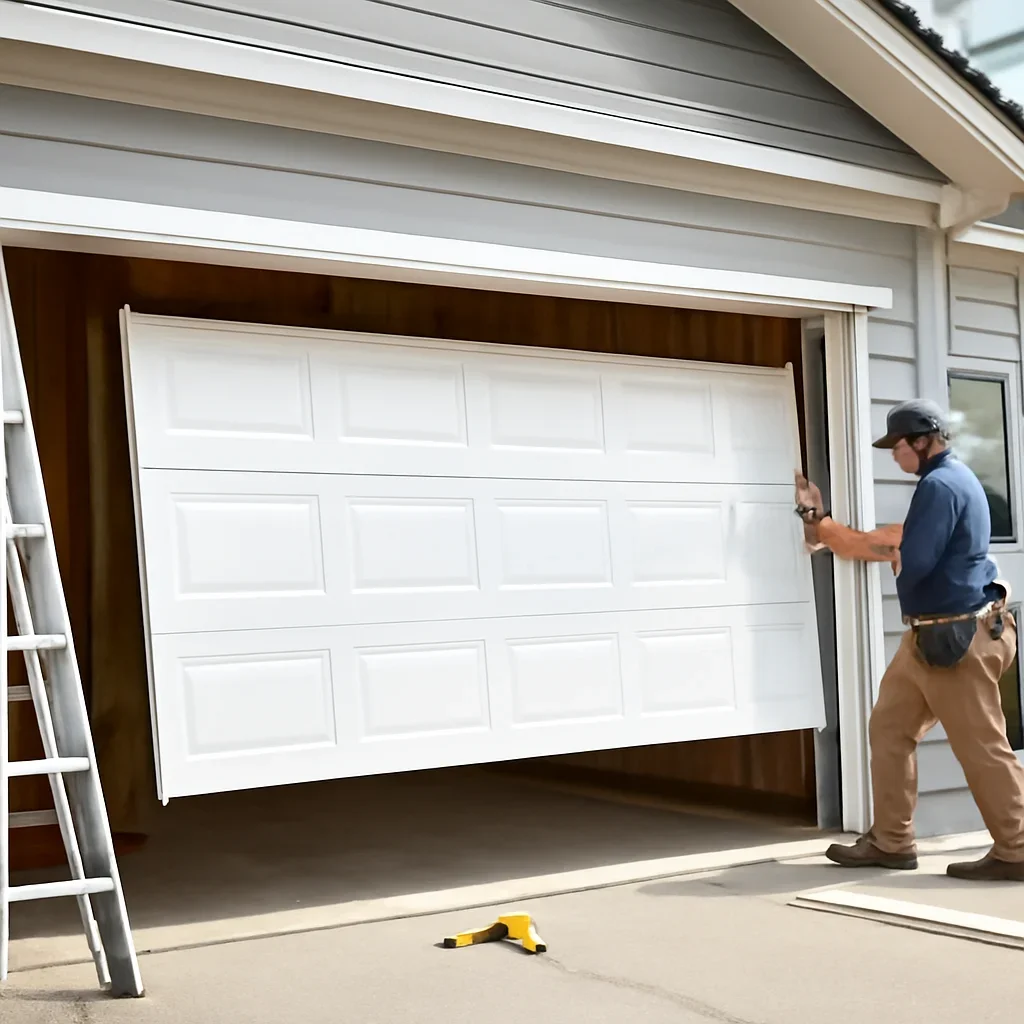
A practical replacement plan starts with measurements and condition, then moves to the choices that affect appearance, comfort, operation, and long-term maintenance.
Check dimensions, framing, tracks, headroom, sideroom, floor level, damage, and the existing opener setup.
Clarify whether the priorities are reliability, appearance, insulation, quieter movement, security, or easier access.
Door weight, springs, tracks, hardware, opener, controls, seals, and safety settings should work together.
General cost factors are outlined on the garage door pricing page.
The process should keep the decision understandable and confirm that the new system is properly fitted, balanced, and tested.
The current door, hardware, opener, opening, and access are assessed before recommendations are made.
Material, insulation, style, finish, windows, hardware, and operation are matched to the property and priorities.
Delivery, removal, access, track configuration, opener setup, seals, and site protection are considered.
Balance, travel, controls, safety reversal, closing position, seals, and general operation are checked.
These pages cover local availability, project examples, common questions, and broader support before you request a replacement quote.
These answers cover the main decisions that come up before choosing a new door for a North Vancouver property.
Replacement may be more practical when damage is widespread, sections are unavailable, the door is repeatedly failing, insulation is poor, corrosion is extensive, or repair costs are accumulating. A structurally sound door with a limited component failure may still be a good repair candidate.
Consider opening size, material, insulation, design, window placement, hardware, opener compatibility, daily use, weather exposure, driveway access, and how the door fits the architecture of the property.
Sometimes. The opener must be suitable for the new door's size, weight, balance, and operating requirements. Its age, condition, safety features, rail setup, and controls should also be assessed before reuse.
Yes. Coastal moisture, wet debris, attached garages, sloped driveways, limited access, and the property's exposure can influence material, sealing, insulation, finish, hardware, and installation decisions.
Include the property type, neighbourhood, approximate door size, visible damage, repair history, insulation goals, preferred appearance, and whether the existing opener may need attention.