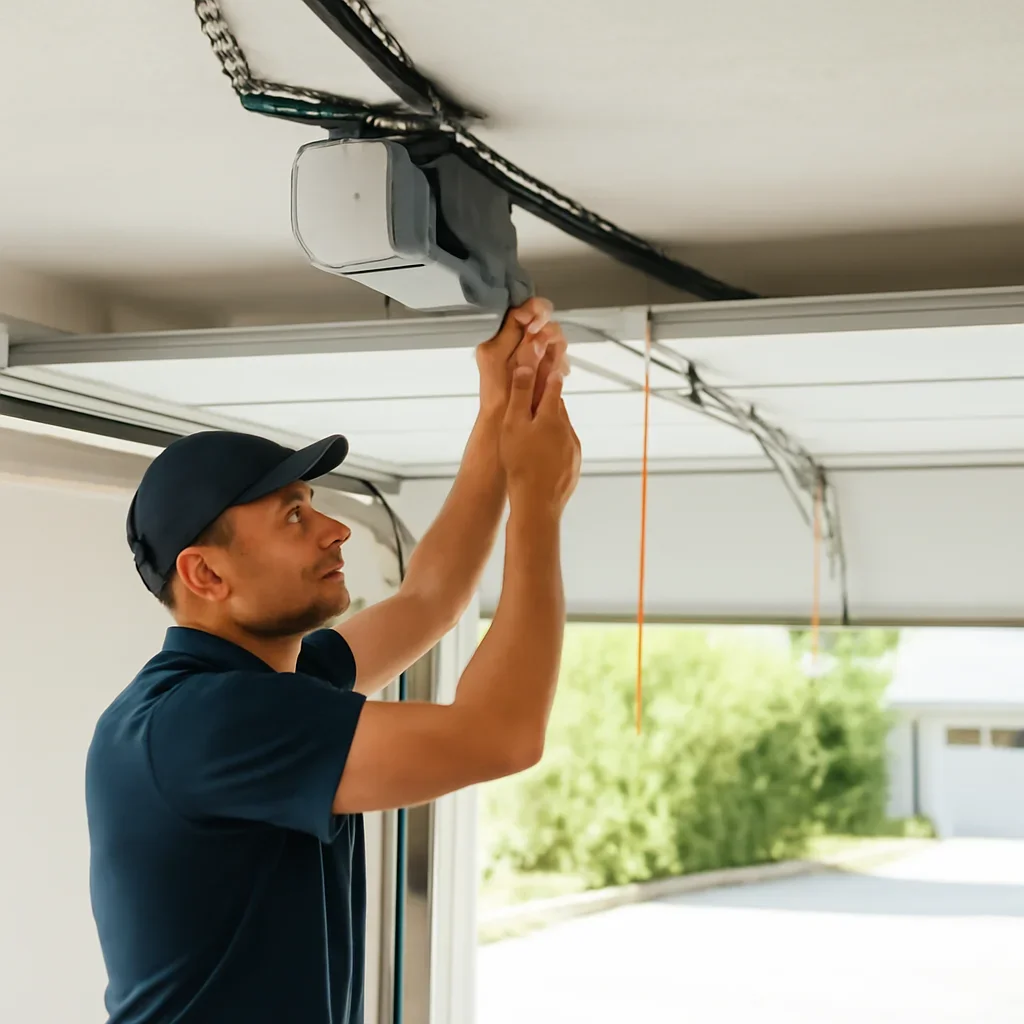
Motor, Rail and Travel Issues
Diagnose humming, clicking, slipping, unexpected stopping, incomplete travel and openers that no longer move the door smoothly.
Describe the operating symptoms
Get help when your garage door opener, remote, keypad, wall control or safety sensors stop working properly. We diagnose access problems for detached homes, townhomes, strata properties and local businesses across Maplewood, Riverside, Seymour Heights, Blueridge, Windridge, Windsor Park and nearby East North Vancouver neighbourhoods.
No. The opener may struggle when the garage door has poor balance, damaged lifting hardware, track resistance or another physical problem. The door, opener and controls should be checked as one system.
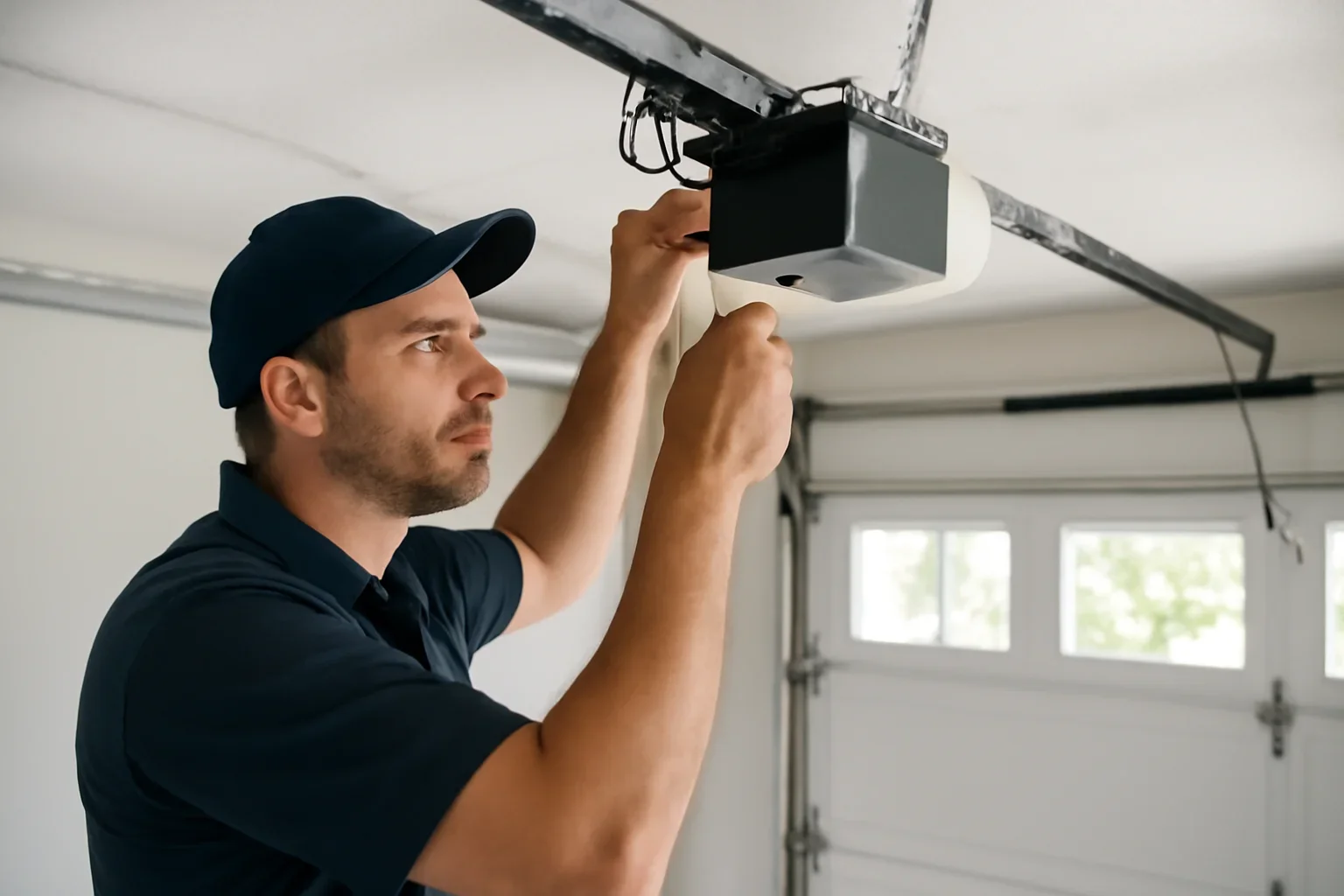
Many Seymour and Maplewood households use the garage several times a day for work, school, errands and family routines. The space may also hold bikes, tools, sports equipment and household storage that needs dependable access.
An opener fault can leave a vehicle trapped, prevent the door from closing or make access unreliable. The cause may involve a remote, keypad, sensor, receiver, wall control, motor, rail or travel setting. It may also begin with resistance from the physical garage door.
Review our main garage door opener and remote repair service . The North Vancouver Garage Doors homepage provides access to the wider local service network.
Start with the symptom that best matches your situation. The assessment should consider the opener, controls, safety features and movement of the garage door.
Address damaged, blocked or misaligned sensors when the door refuses to close, reverses or shows a flashing opener light.
Review sensor repair 02Resolve lost programming, limited remote range, failed keypad access and controls that work only some of the time.
Review remote and keypad help 03Replace an outdated or failed opener with equipment suited to the door’s height, weight, use and access preferences.
Plan a new opener 04Check resistance or uneven movement that makes the opener appear weak and adds unnecessary load to the motor.
Review balance service 05Review the opener, tracks, lifting system, rollers, travel, sensors and reversal functions when the cause is unclear.
Review inspection detailsDiagnose humming, clicking, slipping, unexpected stopping, incomplete travel and openers that no longer move the door smoothly.
Describe the operating symptoms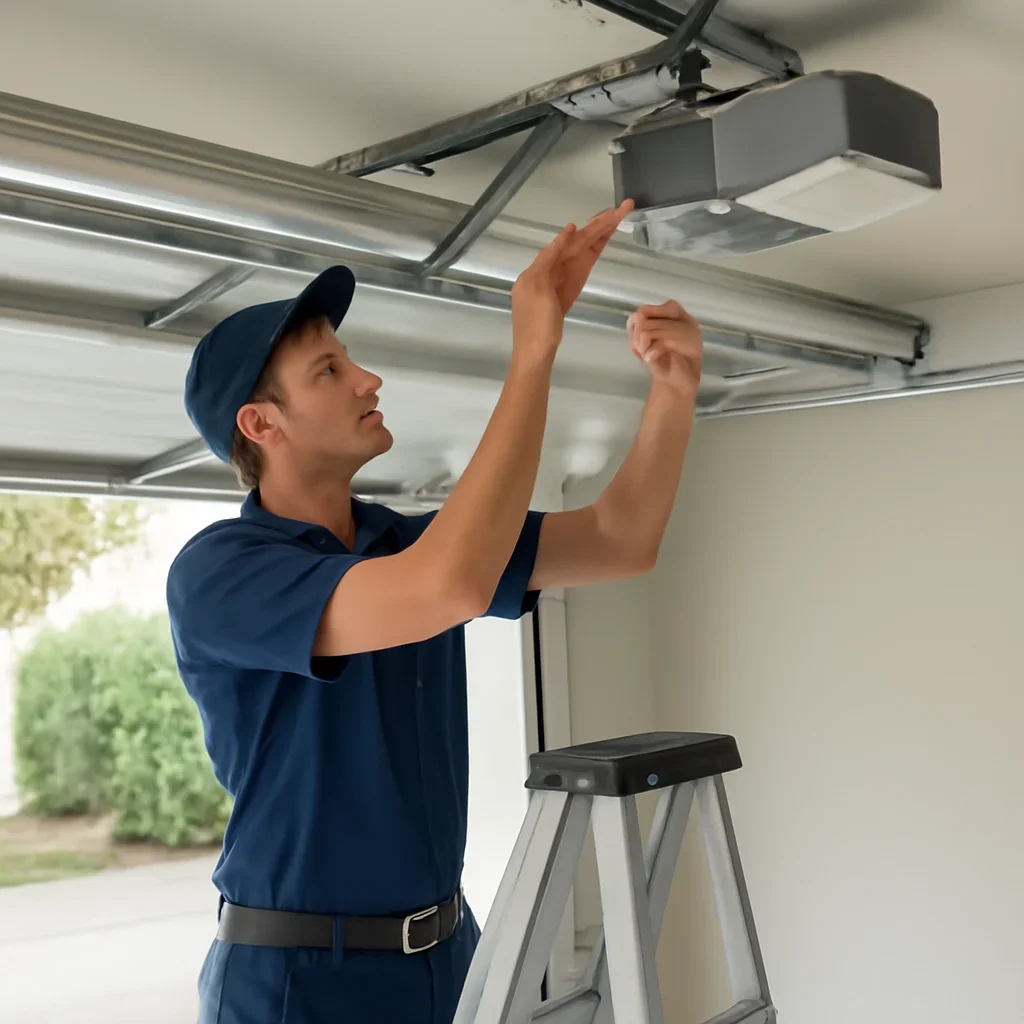
Maplewood sits near the Seymour River, Dollarton Highway, Burrard Inlet and the Maplewood Flats area. Local properties include established houses, newer townhomes, strata communities, workshops, shops and other commercial spaces.
The wider Seymour area includes Riverside, Seymour Heights, Blueridge, Windridge, Windsor Park and nearby neighbourhoods. Garages range from older openings with mixed-age equipment to renovated spaces with heavier insulated doors and newer access systems.
Regular rain and damp conditions can affect exterior keypads, sensor connections, wiring and exposed hardware. Leaves, grit and other outdoor debris can also interfere with sensors or collect near the floor and tracks.
A garage door opener is designed to move a properly balanced door. It should not be expected to lift a door with a broken spring, damaged cable, bent track or serious alignment problem.
When the motor runs but the door barely moves, the cause may be outside the opener. When the physical door remains in suitable condition but controls or the motor do not respond, an opener-related fault becomes more likely.
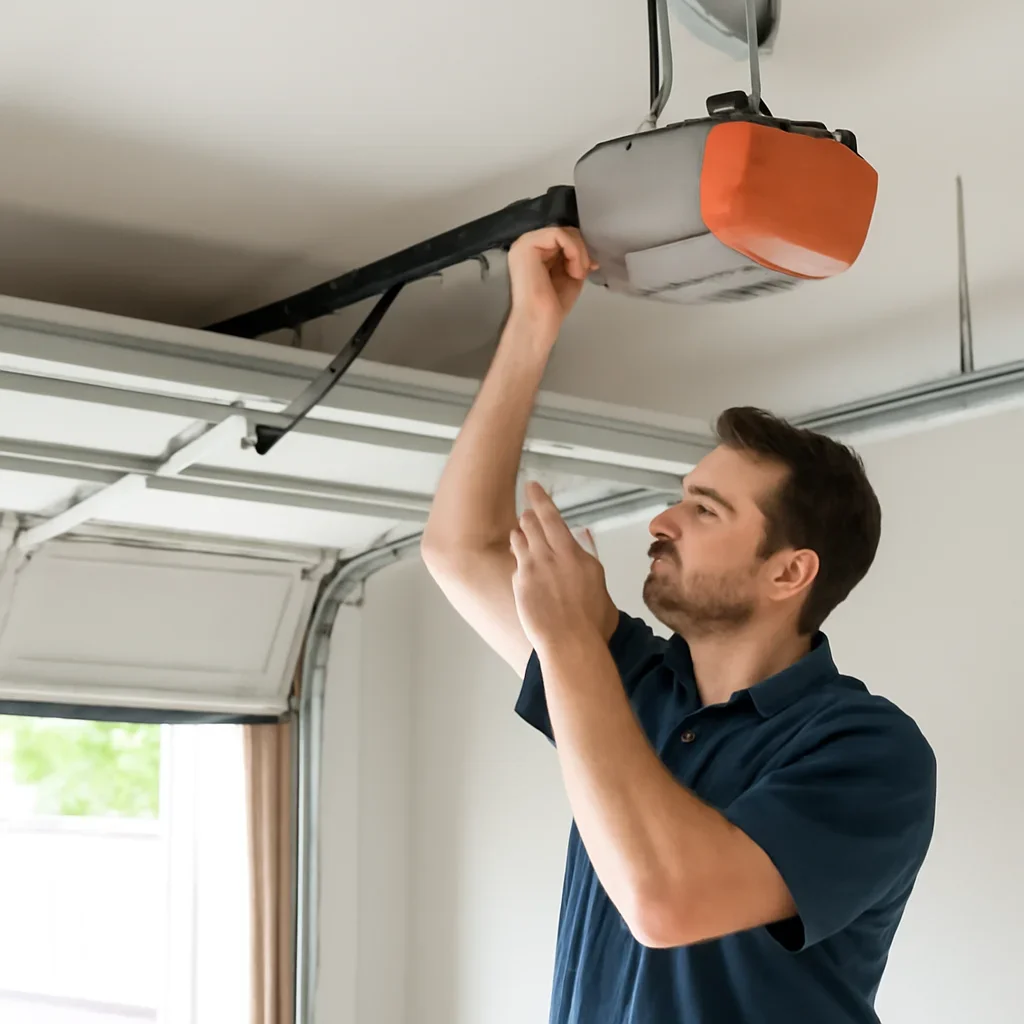
A useful diagnosis begins with the symptoms and then checks the physical door, controls, sensors and opener. This helps separate a motor or programming fault from a spring, balance, roller or track problem.
Explain which controls work, what sounds you hear and how far the garage door moves.
Review balance, springs, cables, rollers and tracks that may be creating resistance.
Check the motor, rail, receiver, wall control, remotes, keypad, sensors and travel settings.
Test opening, closing, sensor response, controls and relevant safety-reversal functions.
One failed remote, keypad or sensor does not automatically mean the complete opener needs replacement. The recommendation should reflect the opener’s condition, compatibility and repair history.
The recommendation should explain whether the opener failed on its own or was affected by a heavy or poorly balanced door. Review our garage door pricing guidance before requesting an estimate.
These answers cover common opener, remote, keypad and sensor problems for Seymour and Maplewood property owners.
The opener may be disconnected from the door, or a drive component may have failed. A broken spring, damaged cable, poor balance or track resistance can also prevent movement.
A weak battery, damaged remote, receiver issue, interference or lost programming may reduce the working range.
The safety sensors may be dirty, blocked or out of alignment. Travel settings, floor contact, track resistance or poor door balance may also cause reversal.
Regular moisture can contribute to keypad wear, corroded connections and unreliable sensor wiring, especially around older or exposed garage openings.
The remote may need a battery or programming. It may also be damaged or incompatible with the opener’s receiver.
Yes. The opener is intended to move a balanced garage door. A spring, cable, roller or alignment problem can place added strain on the motor, rail and drive system.
Quieter operation may be helpful when bedrooms, offices or living areas are beside or above the garage. Door balance, rollers and hinges should also be checked because not every noise comes from the opener.
Explain which controls work, what the opener sounds like, how far the door moves and whether it looks level. Include your Seymour or Maplewood location and mention whether a vehicle is trapped.
Share your Seymour or Maplewood location and describe which controls work, what sounds you hear and how far the garage door moves. Mention whether the door is open, closed, stuck or unsafe.
You do not need to identify the failed part. A clear description of the controls, sound and door movement gives the technician a useful starting point.