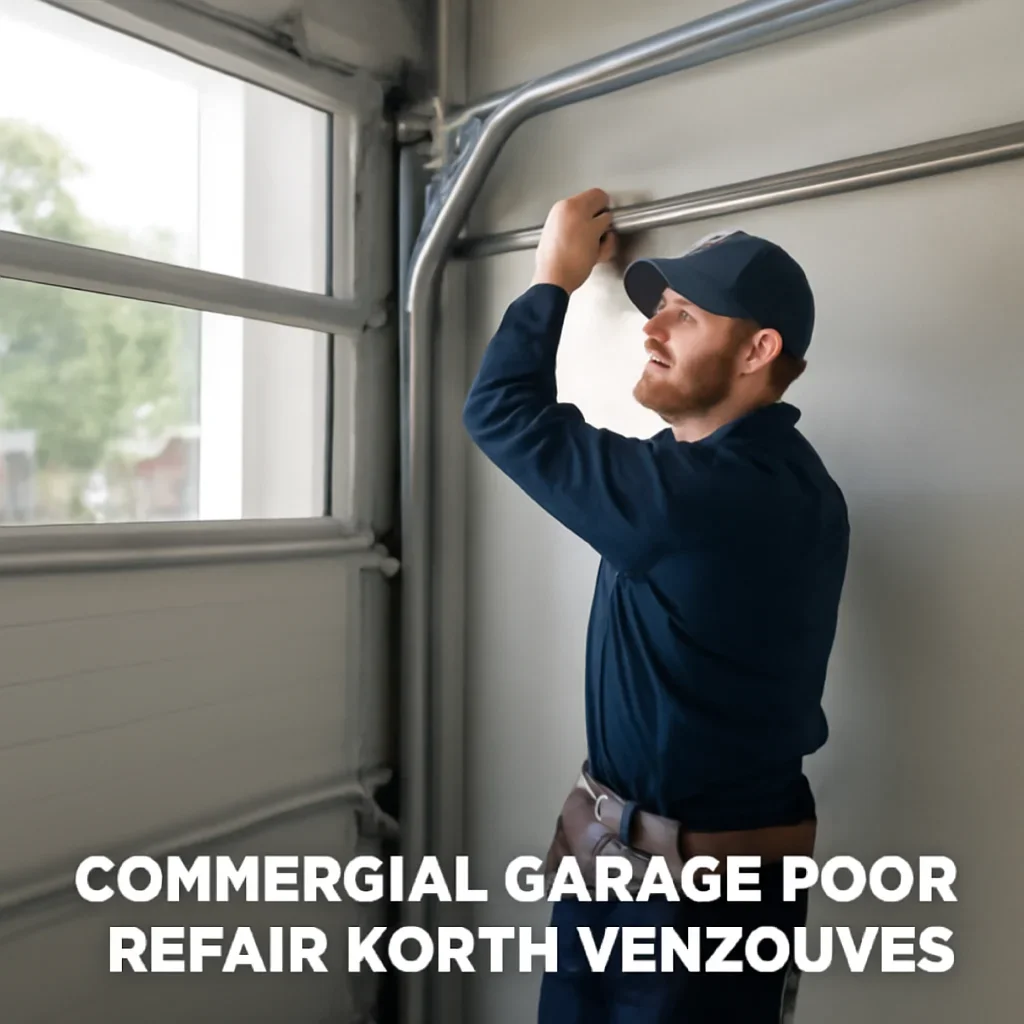
Service bays and workshops
A blocked bay can delay vehicles, equipment, staff, and scheduled work. Door position and safe access often become the first priorities.

A failed commercial door can interrupt loading, staff access, tenant movement, deliveries, customer service, or property security. A useful repair plan should address the fault while accounting for operating hours, site access, traffic, and the cost of repeat downtime.
Commercial garage door repair should begin with the door's current position, safety condition, operating cycle, and business impact. The repair must restore dependable movement without ignoring worn parts or access conditions that could cause another interruption.
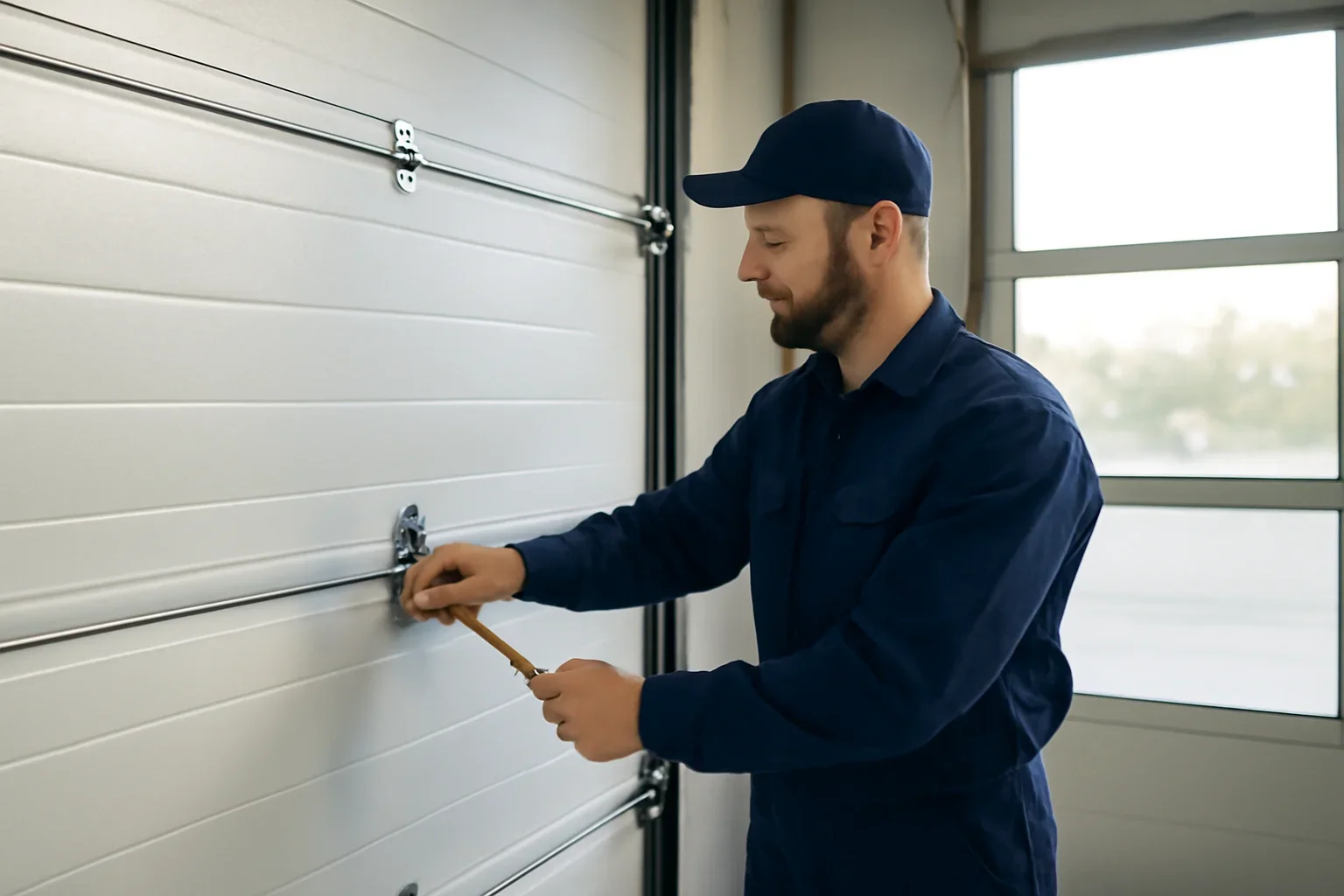
Traffic, security, access schedules, door size, and operating frequency can vary widely. The property type helps determine what should be inspected and how the work should be coordinated.
A blocked bay can delay vehicles, equipment, staff, and scheduled work. Door position and safe access often become the first priorities.
High use, impacts, loading traffic, larger openings, and security needs can place added demand on tracks, rollers, springs, cables, and controls.
Shared entrances require communication, controlled access, traffic planning, and attention to remotes, sensors, openers, and safety systems.
Repairs may need to account for customer areas, deliveries, tenants, secure storage, restricted working hours, and limited staging space.
North Vancouver commercial and strata properties can include underground entrances, sloped approaches, narrow lanes, shared loading areas, controlled gates, limited parking, and coastal exposure. These factors can affect both system wear and service access.
Share delivery times, peak traffic, tenant access periods, quiet hours, and the best window for inspection or repair.
Include clearance limits, gate codes, loading restrictions, visitor parking rules, steep approaches, or equipment staging concerns.
Explain whether the failure exposes inventory, blocks a tenant entrance, interrupts deliveries, or prevents normal business operation.
For a broader review of door condition, operating wear, and hidden damage, see the garage door inspection service.
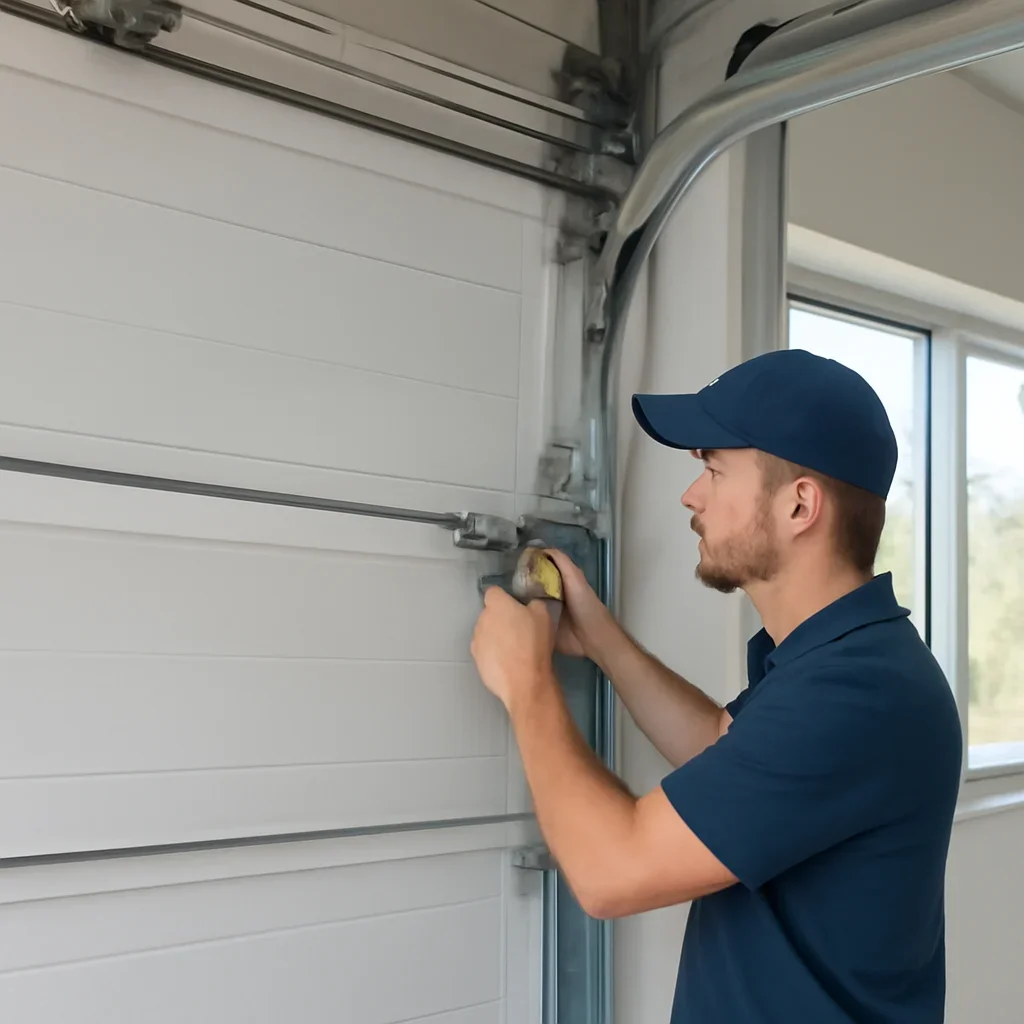
Commercial symptoms can involve several connected components. These focused pages help identify the parts and systems that may need inspection.
For doors stuck open or closed, off track, hanging unevenly, trapping vehicles, or leaving the property unsecured.
Review emergency repair →For heavy doors, uneven lifting, broken springs, loose cables, unstable movement, or loss of lifting support.
View spring and cable service →For motor faults, failed remotes, keypads, controls, sensors, inconsistent travel, or access-system interruptions.
Explore opener and remote repair →For impact damage, loose or bent tracks, roller binding, uneven travel, and doors that no longer follow the opening correctly.
Review track repair →For vibration, rattling, rough travel, visible roller wear, and movement that is becoming less stable or more disruptive.
See roller replacement →For routine checks of balance, hardware, tracks, rollers, springs, cables, seals, controls, sensors, and opener performance.
Plan preventive maintenance →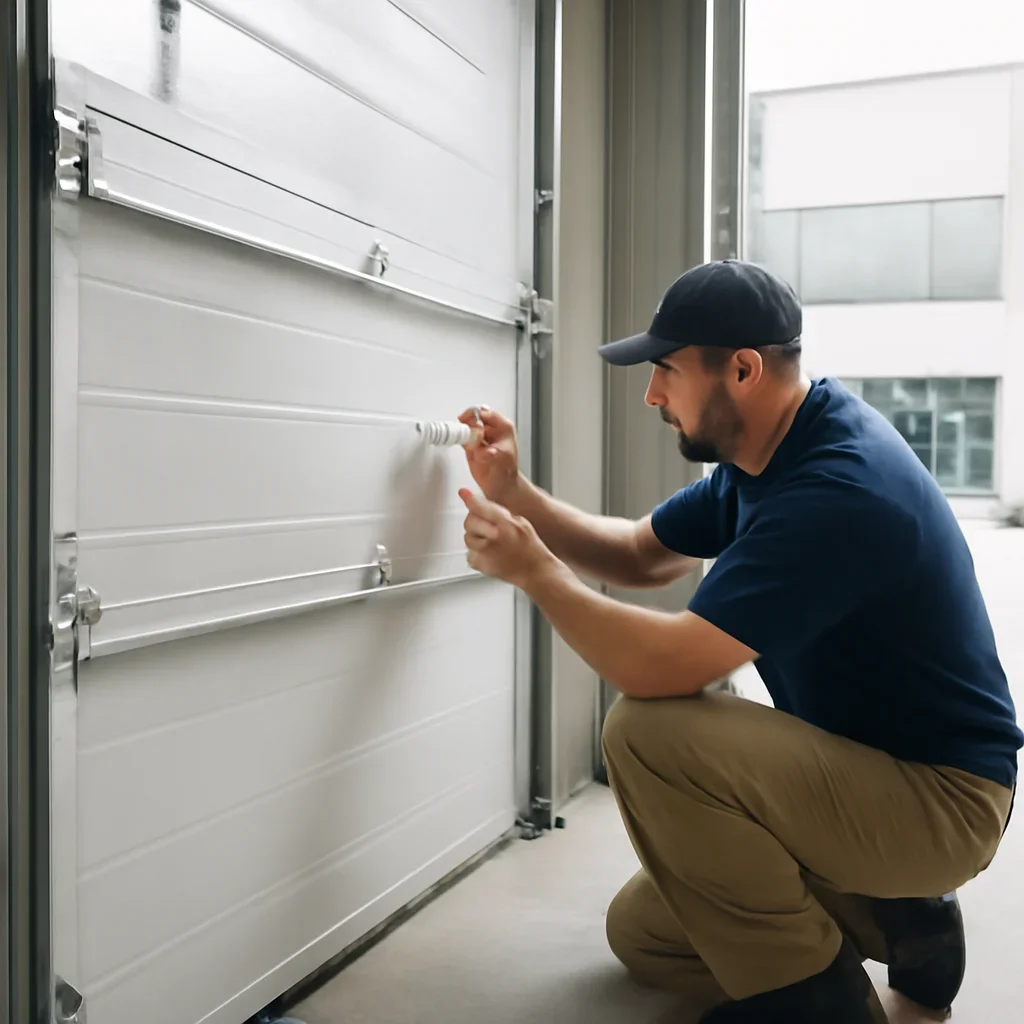
The goal is not only to restore movement. The repair should address the failure, confirm safe operation, and identify conditions that could create another interruption.
Review sections, tracks, rollers, hinges, brackets, springs, cables, balance, seals, and signs of impact or corrosion.
Check the opener, remotes, keypads, sensors, travel settings, safety reversal, mounting, and access controls.
Consider cycle frequency, door size, user behaviour, traffic flow, security needs, and conditions around the opening.
When the concern affects the main door system beyond a commercial-specific context, the North Vancouver garage door repair page provides additional repair guidance.
Clear site information and communication help reduce delays while keeping the repair focused on safe, dependable operation.
Identify blocked access, security exposure, affected tenants, deliveries, vehicles, working hours, and current door position.
Confirm the site contact, entry process, clearance, parking, loading, gate access, safety rules, and workable service window.
Address the failed components and any related wear that affects balance, travel, controls, security, or continued reliability.
Check door movement, balance, controls, sensors, safety reversal, closing position, and any maintenance concerns worth planning.
Industrial, retail, strata, mixed-use, and service properties are distributed across several local areas. Use the closest area page for more neighbourhood-specific context.
These answers cover urgent failures, service-request details, preventive maintenance, and local access considerations.
Urgent problems include a door stuck open, a blocked service bay, an off-track door, a broken spring or cable, unstable movement, a failed security entrance, or a condition that puts staff, tenants, customers, vehicles, or inventory at risk.
Provide the property type, door location, current position, operating schedule, traffic level, security concern, visible damage, access restrictions, loading or parking limits, and the name of the site contact.
Routine inspection and maintenance can identify wear in springs, cables, rollers, tracks, hinges, seals, controls, sensors, and opener components before a developing issue becomes a larger access problem.
Yes. Coastal moisture, wet debris, sloped access, parkade restrictions, shared loading areas, high traffic, and limited staging space can affect system wear and the repair plan.
Include the property type, current door position, security concern, blocked access, operating hours, traffic level, visible damage, site-contact details, and any parkade, loading, clearance, or parking restrictions.