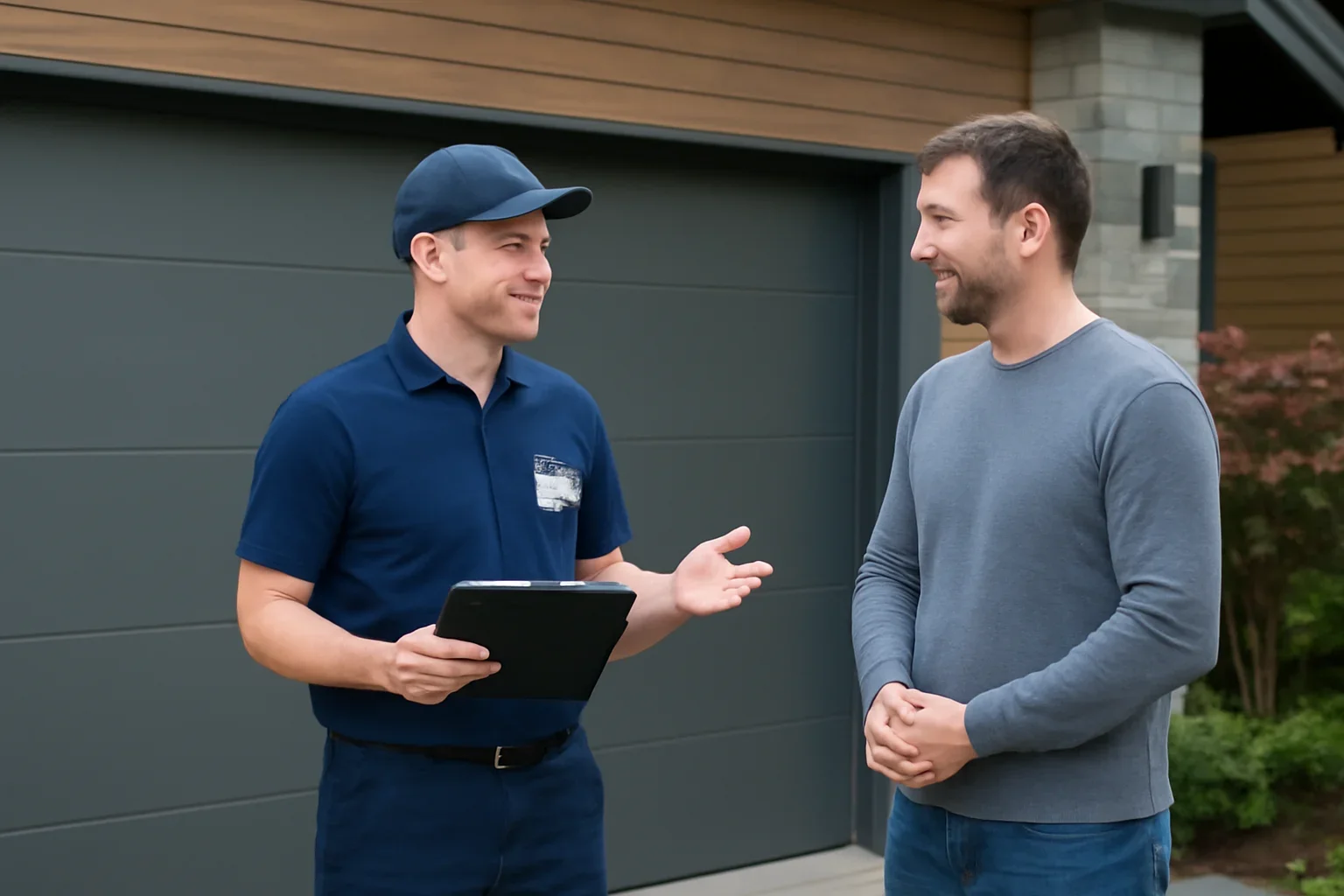
What does it mean if a garage door will not open or close?
It can mean the issue is with the door, tracks, balance, hardware, opener or controls. If the door cannot move correctly, avoid repeatedly running the opener.
Read about garage door repair
Repair a door that is stuck, noisy, uneven or damaged, troubleshoot opener and remote issues, or plan a new installation or replacement. Start with what the door is doing now—we can narrow down the right service from there.
Need the fastest starting point? If the door is unsafe, stuck open, trapping a vehicle or hanging unevenly, stop operating it and request service. Otherwise, use the symptom finder below to identify the most relevant service.
Select the symptom that best matches the problem. The guide will point you toward the most relevant service category without requiring you to identify the failed component.
It can mean the issue is with the door, tracks, balance, hardware, opener or controls. If the door cannot move correctly, avoid repeatedly running the opener.
These short answers are framed as natural-language questions so each passage can stand on its own. Each answer gives a practical starting point and links to the relevant service for more detail.
It can mean the issue is with the door, tracks, balance, hardware, opener or controls. If the door cannot move correctly, avoid repeatedly running the opener.
Read about garage door repairIt can indicate a spring, cable or balance problem. If the door hangs unevenly or movement looks uncontrolled, stop operating the system and arrange an inspection.
Read about broken spring repairIt can mean the issue is with the remote, keypad, wall control, sensors, opener or the door itself. Note which controls still respond and whether the door can move manually.
Read about opener and remote repairIt can mean rollers, tracks, fasteners, balance or opener components need attention. A new grinding, squealing or rattling sound is a useful detail to include in a service request.
Read about maintenance and tune-upsReplacement may be worth comparing with repair when damage is widespread, failures keep recurring, parts are unavailable or the current door no longer suits the property.
Read about garage door replacementTreat it as urgent when the door cannot secure the property, traps a vehicle, has come off track or may fall or move without control. Keep people and vehicles clear of the moving system.
Read about emergency garage door repairChoose the service that best matches the problem or project. Each page explains symptoms, service considerations and the next useful action.
For doors that stick, jerk, grind, hang unevenly, stop moving or show visible hardware damage.
Explore repair service 02For a door that is stuck open, trapping a vehicle, leaving the property unsecured or presenting a clear safety concern.
Review emergency service 03For new builds, renovations, detached garages, commercial properties or a complete opening upgrade.
View installation options 04For aging, damaged or repeatedly failing doors where a complete replacement may make more practical sense.
Compare replacement options 05For motor trouble, failed remotes, keypad issues, sensor faults or controls that stop responding.
Explore opener service 06For balance checks, hardware inspection, track and roller care, safety testing and preventive service.
Plan maintenance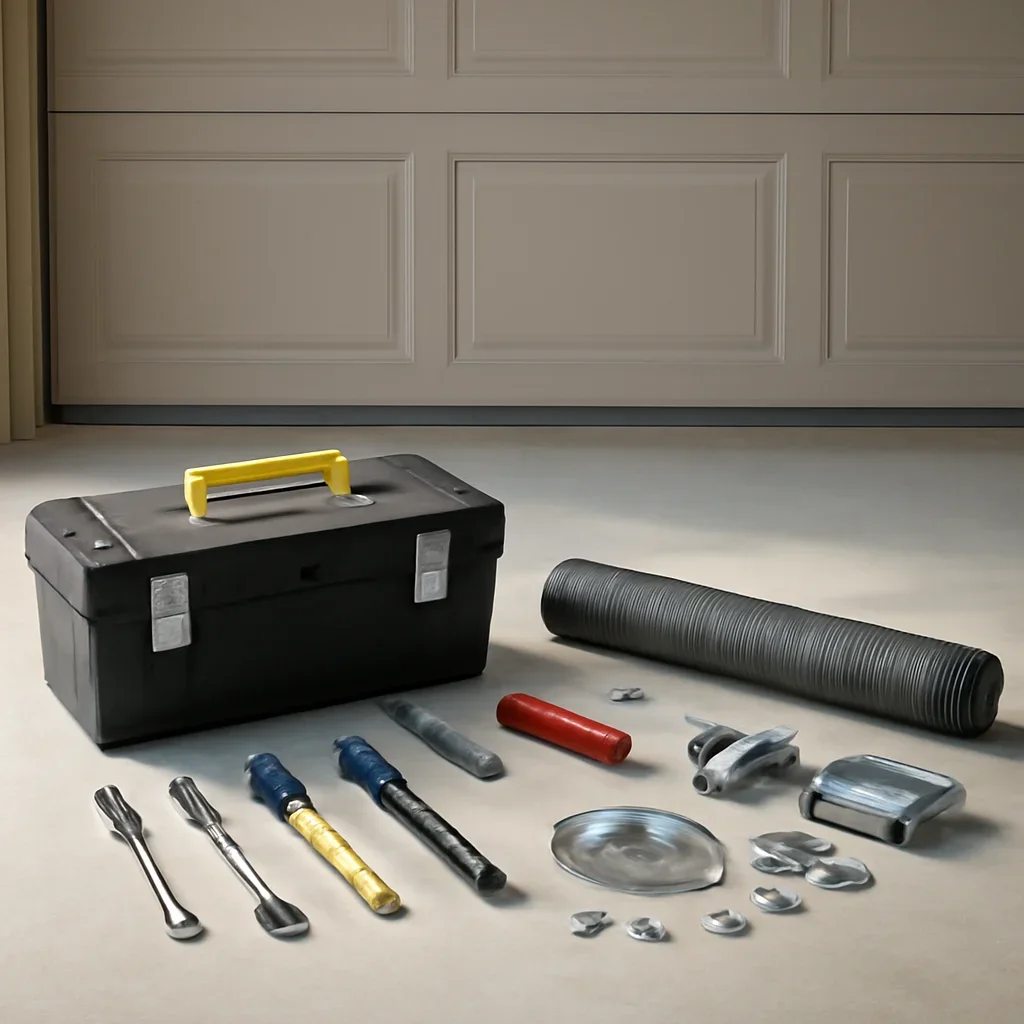
If you can see the problem or know which part is involved, use a more specific service page. If you are not sure, the general repair page remains the better starting point.
A problem becomes urgent when it affects safety, security or essential access. Examples include a door stuck open, a vehicle trapped behind a door that will not lift, impact damage, a failed spring or cable, or a door that has come off its tracks.
Stop using the system when the door is crooked, hanging from one side or moving suddenly. Repeatedly pressing the opener can increase damage when the door itself cannot move correctly.
A single failed part does not automatically mean the whole door needs replacement. The decision should consider the failed component, the condition of the door, repair history, part availability and what you need from the system.
Need more context before choosing? Review garage door pricing guidance for the factors that can affect repair, installation and replacement decisions.
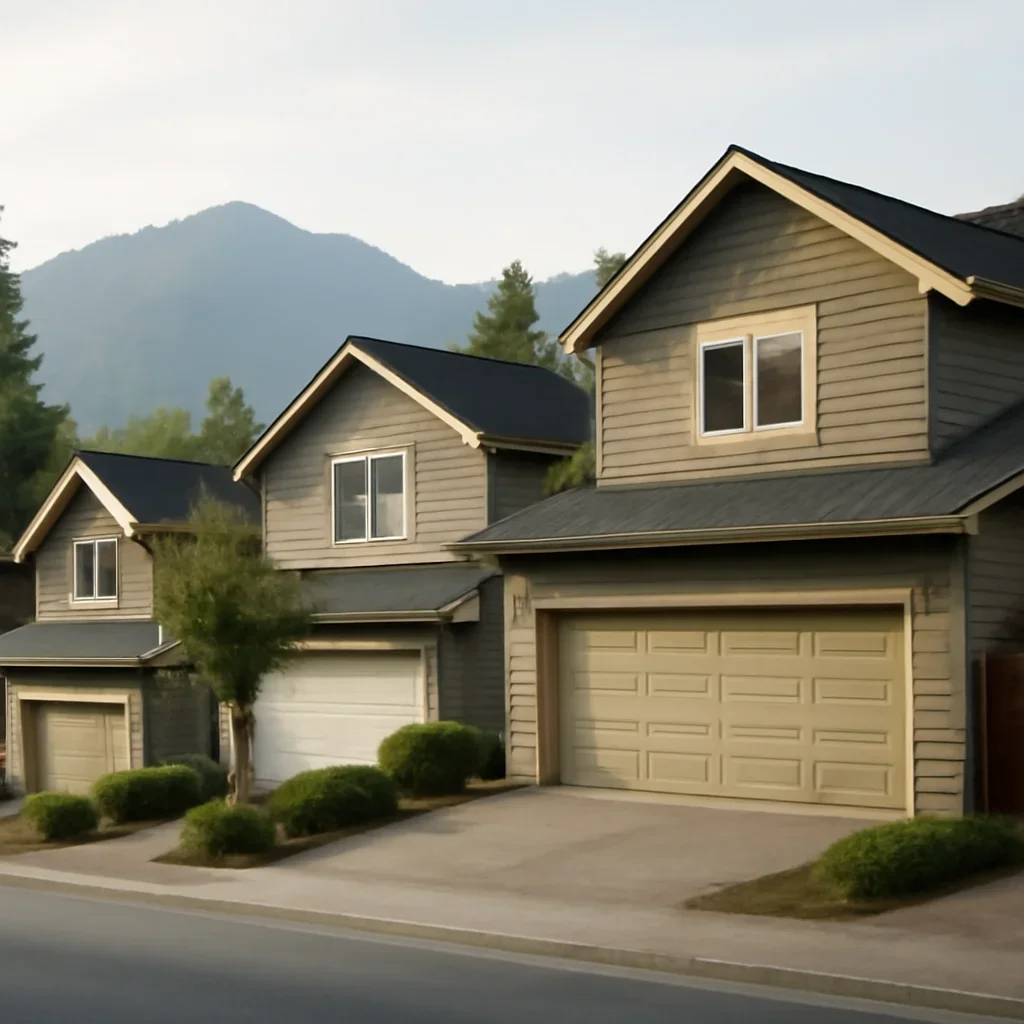
North Vancouver properties can combine regular rain, damp conditions, sloped driveways, exposed openings and frequent daily use. Those conditions make it useful to look beyond the failed part and check how the full door system is moving.
Inspection can include balance, tracks, rollers, cables, springs, weather seals, safety sensors and opener performance. For more specific system checks, review garage door inspection service.
Learn more about the North Vancouver garage door service.
You do not need to identify the exact failed part. Start with the symptoms, property context and how the issue affects access or safety.
Explain what the door is doing now, when it changed and whether it is open, closed or partly open.
The door, tracks, springs, cables, rollers, opener and safety controls can be checked as relevant to the symptoms.
The issue may fit repair, opener service, maintenance, installation or replacement depending on the condition found.
After service, the system should be checked for controlled movement and the relevant safety functions.
Use the neighbourhood page that matches the property location for local service information without changing the core service you need.
Clear answers to common questions before you submit a service request.
Check whether the opener has power and whether the manual lock is engaged. Stop operating the door if it looks uneven or you can see a broken spring, loose cable or bent track. Repeatedly running the opener against a door that cannot move may cause further damage. Review common reasons a garage door will not open.
The safer option is to stop using it. Springs help counterbalance the weight of the door, so a failed spring can make the door unusually heavy and can place extra strain on the opener and other parts. See broken garage door spring repair information.
Safety sensors may be blocked, dirty or out of alignment. Opener travel or force settings can also require attention, and resistance in the tracks, rollers or door balance can cause reversal. Review garage door sensor problems.
One useful check is how the door behaves when the opener is separated and the door is moved manually. A door that feels unusually heavy or catches can point to balance, spring, cable, roller or track issues rather than only the motor. For control or motor problems, review garage door opener installation.
Replacement can be more practical when damage is widespread, major components are heavily worn, parts are difficult to source or repair needs are recurring. The decision should compare the condition of the whole system with the expected value of another repair.
Explain what the door is doing, whether it is currently open or closed, when the problem started and whether you can see loose or damaged parts. Include the property location and mention whether a vehicle is trapped or the opening cannot be secured.
Use the service inquiry form to share enough context for the next conversation. You do not need to identify the exact failed component first.
The confirmed contact form requests your name, phone number, email and message.
Service requests are handled according to the Privacy Policy and Terms of Service.