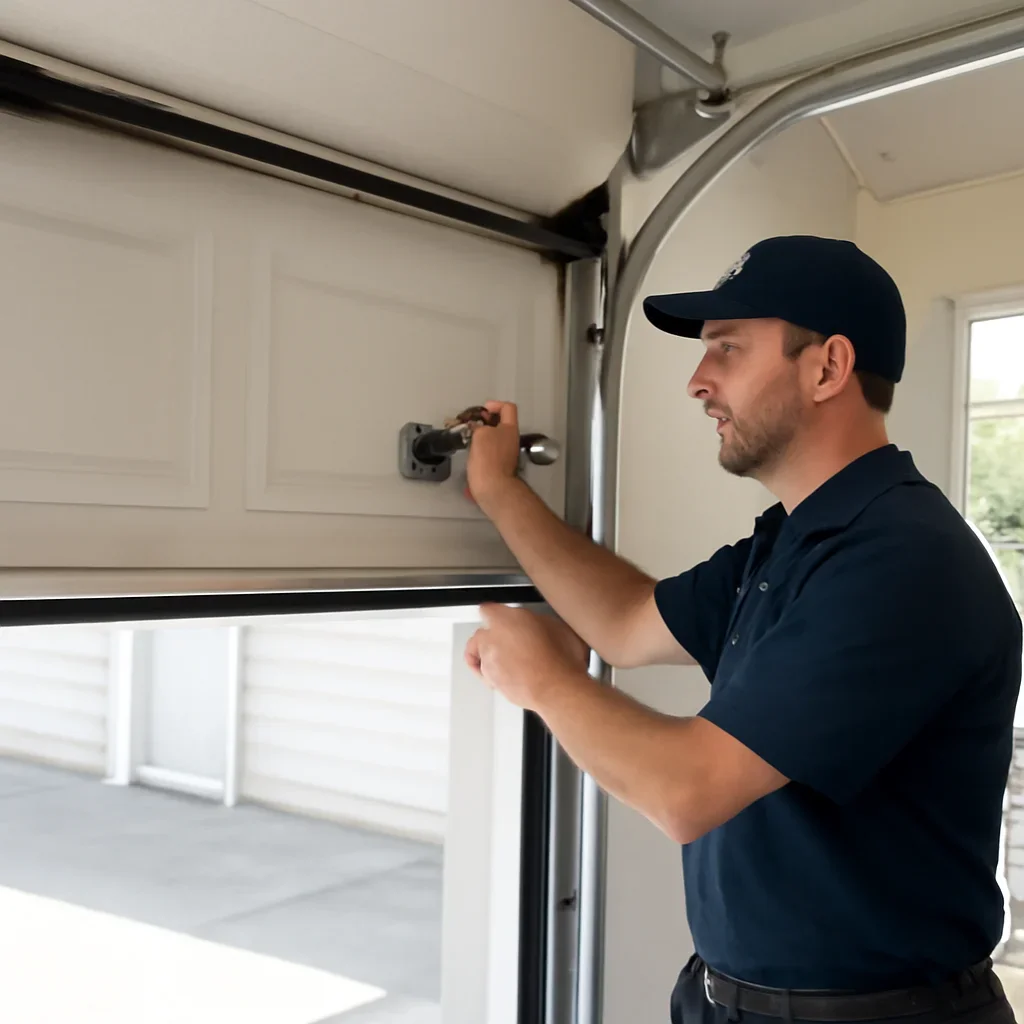
After Long Wet Periods
Check seals, tracks, metal hardware and electrical connections after months of regular rain and dampness.

Keep your garage door moving smoothly and identify worn parts before they interrupt access to your vehicle, storage or outdoor equipment. We provide preventative maintenance guidance for homes, townhomes, strata properties and local businesses across Maplewood, Riverside, Seymour Heights, Blueridge, Windridge, Windsor Park and nearby East North Vancouver neighbourhoods.
A useful tune-up checks the complete moving system, not only lubrication. It should review balance, tracks, rollers, hardware, visible lifting parts, seals, opener operation and safety functions, followed by a clear explanation of anything that needs attention.
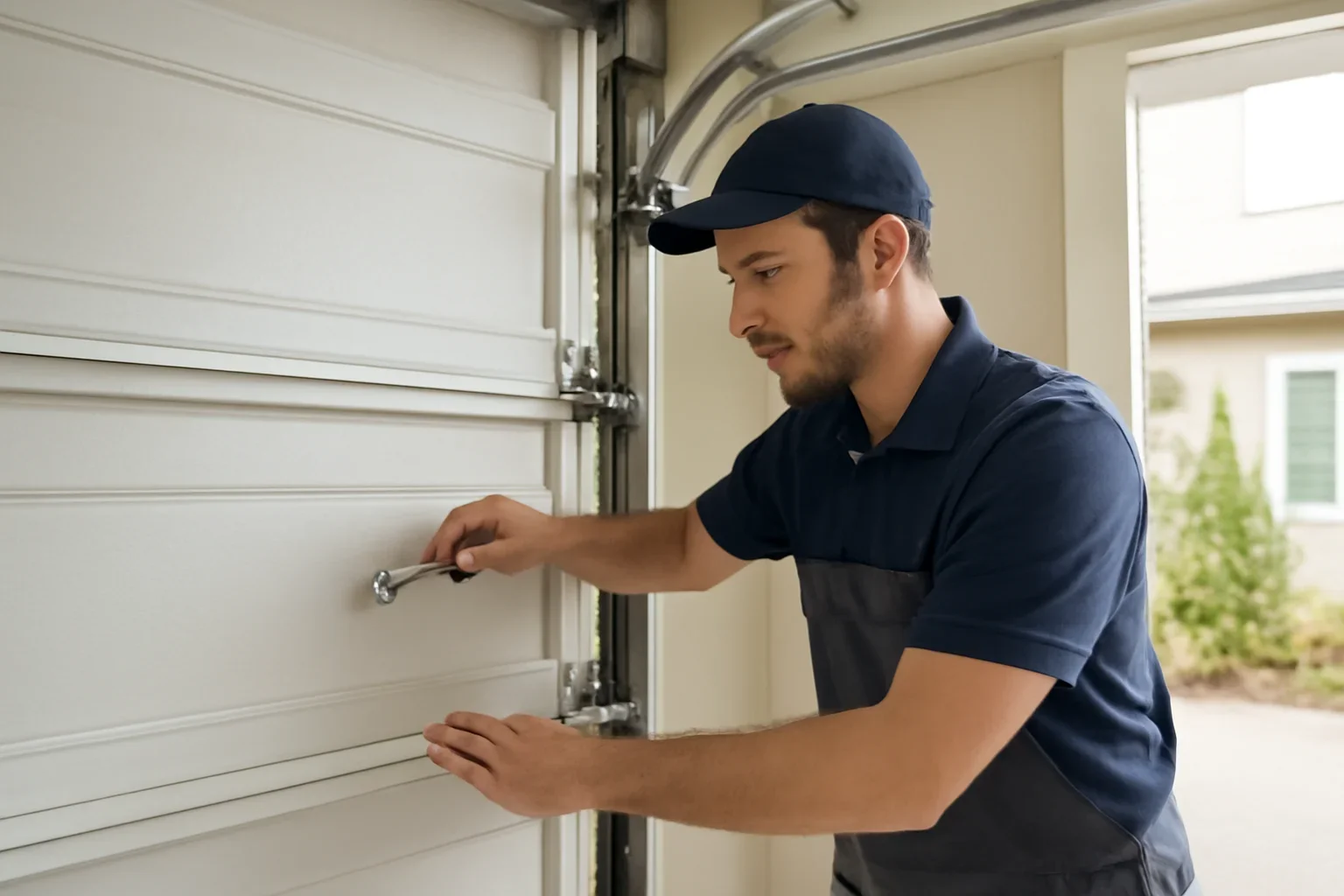
Many Seymour and Maplewood households use the garage as a regular entrance for work, school, errands and family routines. The garage may also provide daily access to bikes, tools, sports gear, work equipment and seasonal storage.
A door can keep operating while fasteners loosen, rollers wear, seals develop gaps or balance slowly changes. Early signs may include a new sound, slight shaking, slower travel or an opener that seems to work harder than before.
Our North Vancouver garage door team provides preventative garage door maintenance and tune-ups for residential, strata and commercial door systems.
The physical door, lifting system and opener must work together. These areas cover the main wear points that affect movement, noise, closure and reliability.
Review springs, cables, brackets, fasteners and visible lifting hardware for looseness, damage or developing wear.
Review inspection service 02Check whether the door moves evenly and whether the opener is carrying more weight or resistance than it should.
Review balance service 03Look for worn rollers, stiff hinges, track resistance, rubbing and movement that causes vibration or new noise.
Review roller service 04Check bottom and perimeter seals for gaps that allow rain, cold air, leaves, needles or other outdoor debris inside.
Review weather-seal service 05Test travel, controls, sensors and whether the opener works smoothly with the weight and movement of the physical door.
Review opener service 06Check sensor position, visibility, wiring and response when the door refuses to close or reverses without a clear cause.
Review sensor service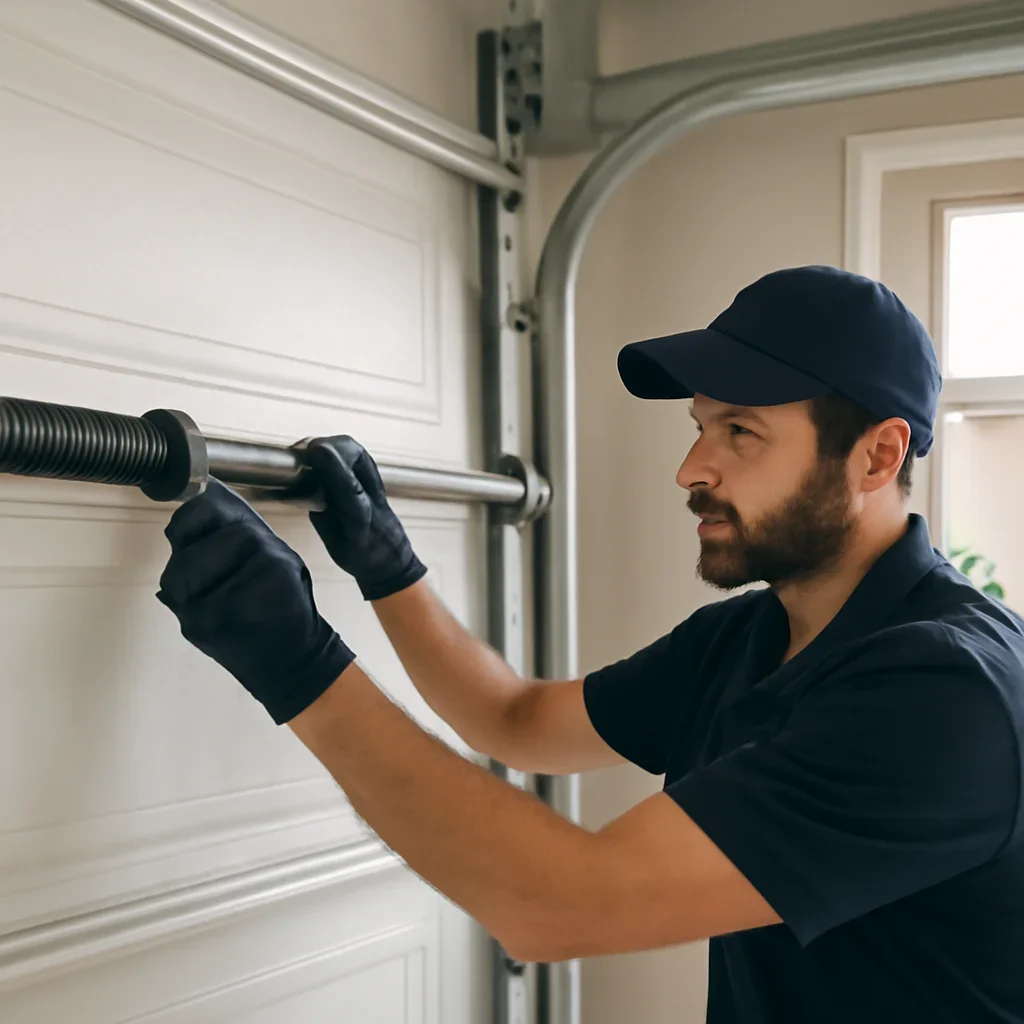
Maplewood is centred around Dollarton Highway and the Seymour River, with homes, townhomes, businesses and natural areas near the Burrard Inlet shoreline. The wider Seymour service area includes Riverside, Seymour Heights, Blueridge, Windridge, Windsor Park and nearby communities.
Local garage doors range from older single-door systems to wider insulated doors installed during renovations. Some garages sit beside or below living areas, where vibration, rattling and opener noise can be more noticeable.
Regular rain, damp air and mature trees make seals, exposed hardware, sensor wiring and debris around the floor line worth checking. Frequent daily use can also speed up wear on rollers, hinges, springs and opener components.
Maintenance timing depends on door age, daily use, weather exposure and recent changes in performance. These are useful times to arrange a closer inspection.
Check seals, tracks, metal hardware and electrical connections after months of regular rain and dampness.
New squeaking, rattling, grinding or vibration can point to worn rollers, loose hardware or poor movement.
Flooring, driveway, insulation or opener changes can affect door fit, clearance, balance and closure.
A condition check can help when the garage will be used more often for commuting, storage or business access.
Routine maintenance is not the right starting point when the door is stuck, crooked, unusually heavy, off its tracks or affected by a visibly damaged spring or cable.
Maintenance is a practical starting point when the door still operates but has become noisier, slower, less smooth or overdue for inspection. It can identify developing wear before access is lost.
Repair is more suitable when a component has already failed, the door is crooked or stuck, a spring or cable is damaged or the opening cannot be secured.
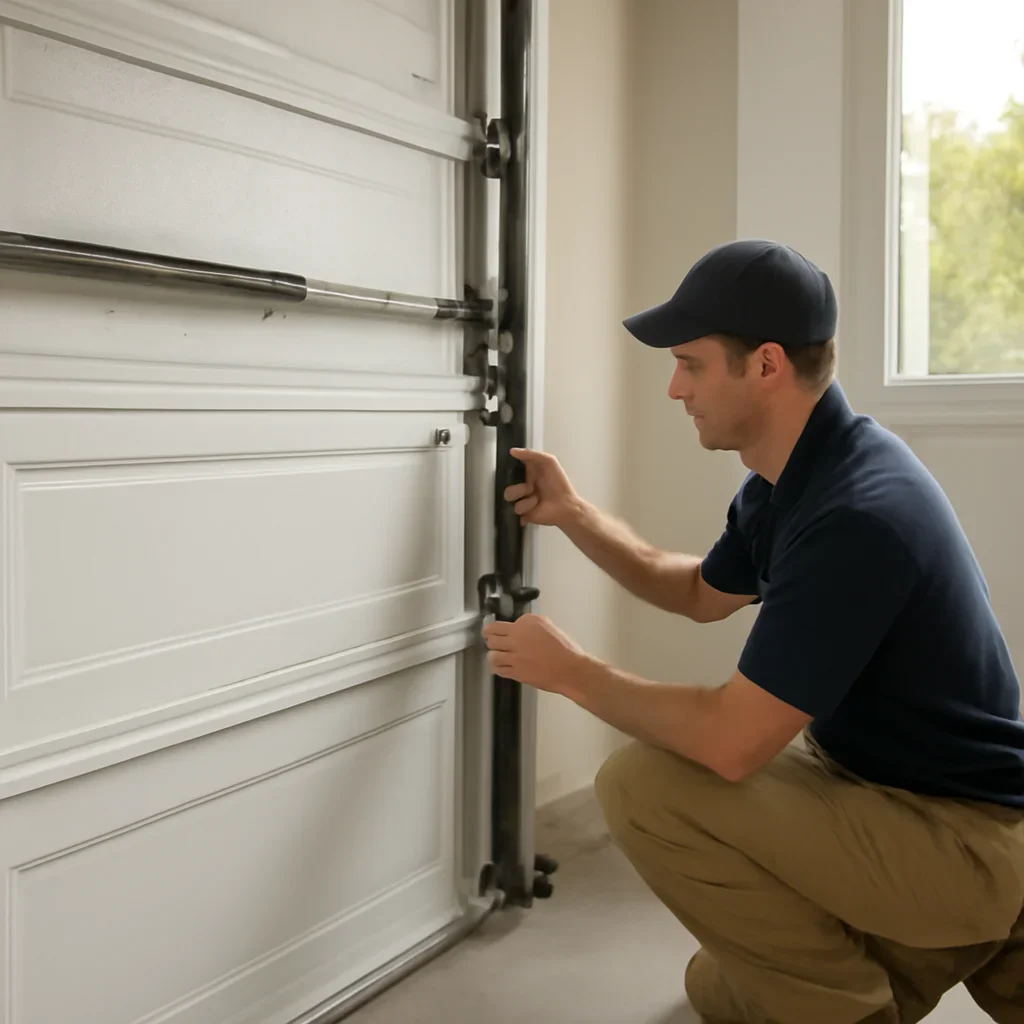
The visit should begin with how the door has been performing, followed by a systematic review of movement, hardware, balance, weather protection, opener operation and relevant safety functions.
Explain new noise, shaking, slow travel, uneven closure, opener strain or seal gaps.
Review tracks, rollers, hinges, springs, cables, hardware, seals and opener condition.
Carry out appropriate adjustments and service based on the condition and design of the door.
Identify concerns that need repair now and wear points that can be monitored over time.
Preventative service should give you a useful picture of the door’s current condition rather than a vague list of suggested work.
Understand which components remain in suitable condition and which normal sounds or movements do not need repair.
Receive a clear explanation when a safety, balance, hardware or operating issue should be corrected promptly.
Know which developing wear points can be watched instead of replacing parts before service is actually required.
These answers cover preventative service, local conditions and the difference between routine maintenance and repair.
A maintenance visit should review door movement, balance, rollers, tracks, hinges, visible lifting components, hardware, seals, opener operation and relevant safety functions. The exact service depends on the condition and design of the system.
Yes. Lubrication may be one part of service, but a useful tune-up should also inspect wear, balance, alignment, fasteners, weather seals, opener performance and the way the complete door moves.
Timing depends on the age of the door, how often it is used, weather exposure and whether its sound or movement has changed. Older and frequently used systems may need closer attention.
No service can prevent every failure. Maintenance can identify loose hardware, deteriorated seals, rough movement, poor balance and other developing concerns before they become more serious.
Regular moisture can contribute to surface corrosion, deteriorated seals, stiff hardware and unreliable electrical connections. Older or exposed systems may benefit from closer inspection.
It may help when noise comes from dry moving points, loose hardware, worn rollers or minor alignment concerns. Grinding, popping or sudden loud sounds may indicate a repair issue.
Minor movement concerns may be found during maintenance, but a visibly crooked door can involve a spring, cable, track or roller failure. Stop operating a door that hangs unevenly or appears unsafe.
Share your Seymour or Maplewood location, the age of the door if known, how often it is used and any changes in noise, speed, balance, closure, weather sealing or opener performance.
Share your Seymour or Maplewood location and describe any noise, shaking, slow movement, uneven closure, opener strain, moisture exposure or weather-seal concerns. This helps determine whether maintenance or a focused repair is the better next step.
Review the garage door pricing guidance before requesting a maintenance estimate.