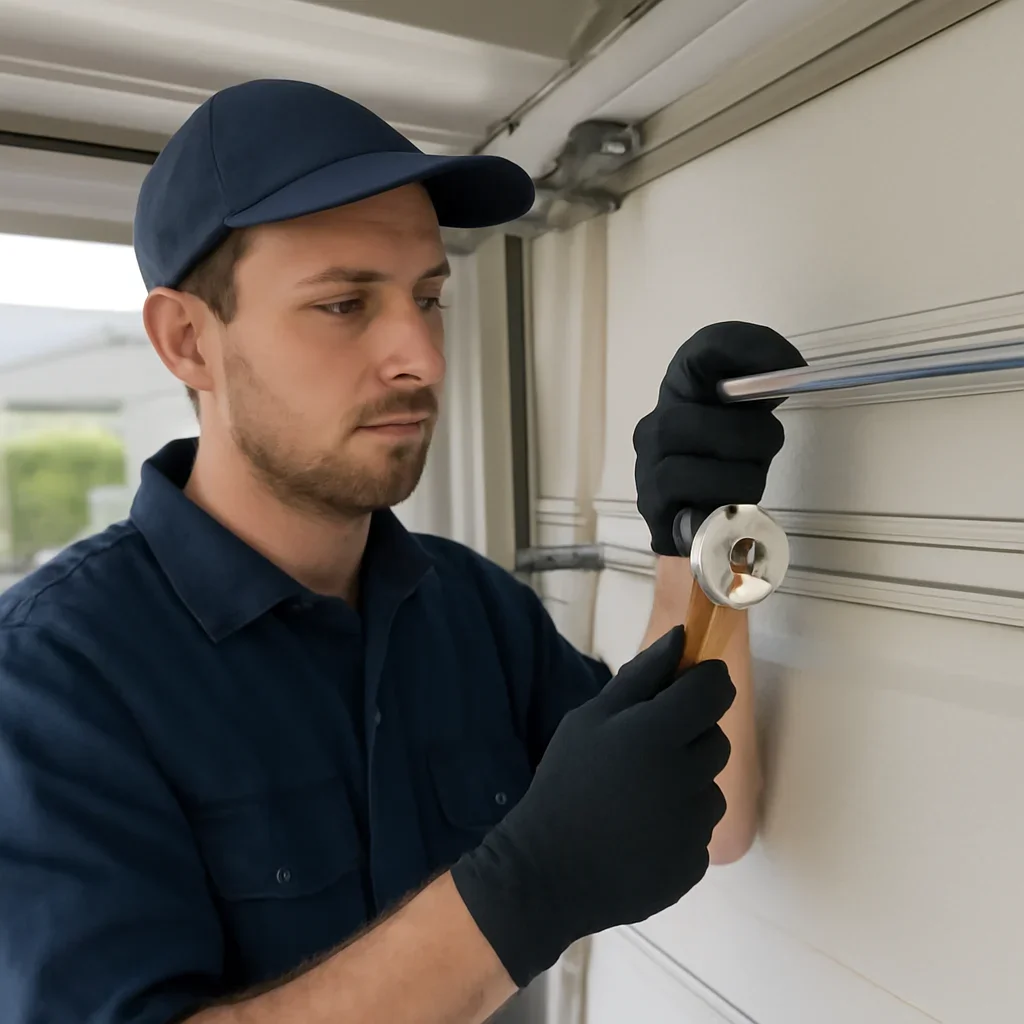
Grinding or scraping
A seized wheel, damaged bearing, rubbing stem, worn hinge, or track problem may create harsh metal-on-metal sound.

Worn rollers can make a garage door shake, scrape, rattle, grind, or move roughly through the tracks. Roller replacement should be based on the condition of the full travel system, including the tracks, hinges, stems, brackets, balance, and opener load.
A noisy door does not always need new rollers, but cracked, seized, loose, flat-spotted, or badly worn rollers can affect smooth movement and place extra strain on tracks, hinges, and the opener.
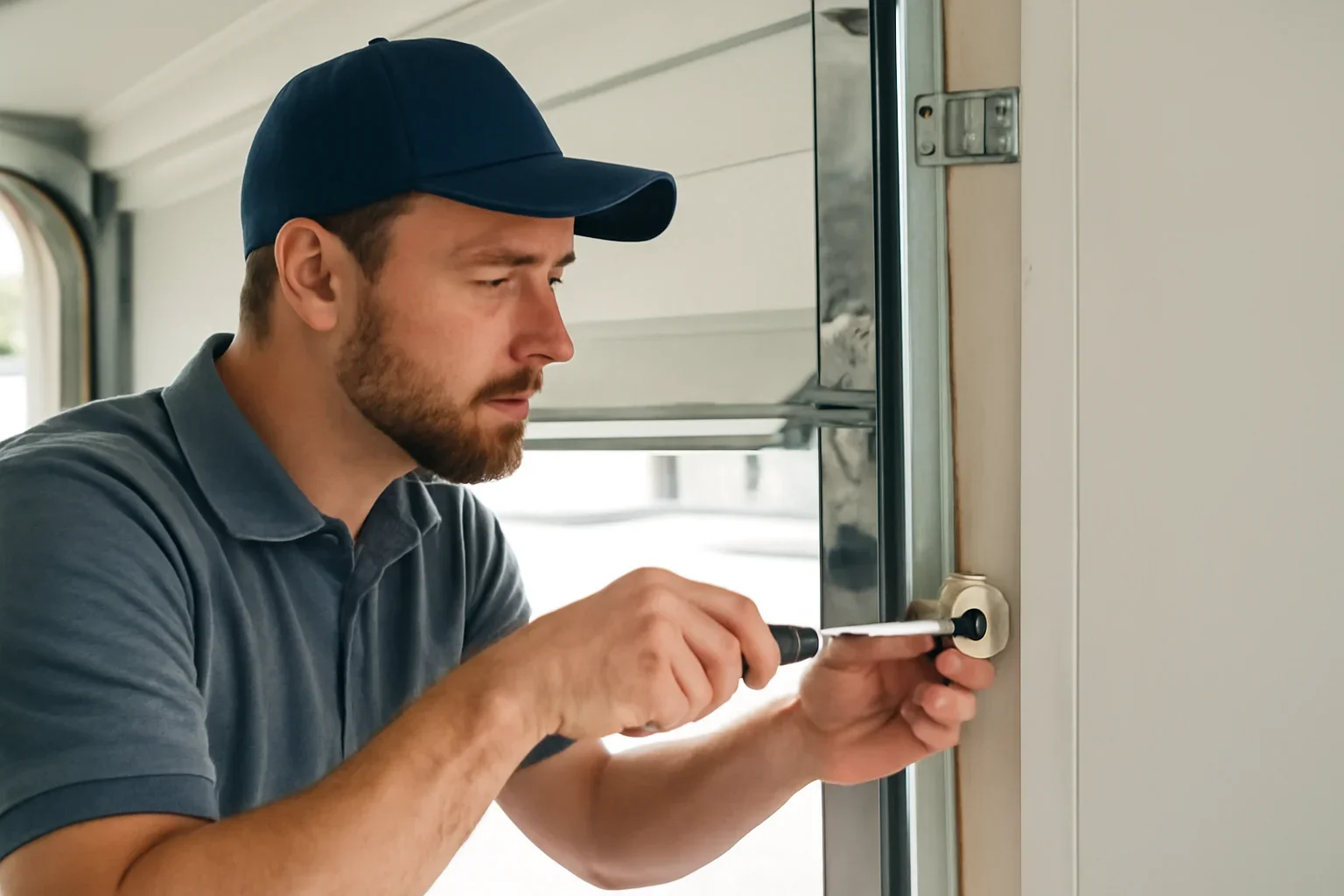
Roller wear can sound or feel different depending on the wheel material, bearings, track condition, hinge alignment, door balance, and operating speed.
A seized wheel, damaged bearing, rubbing stem, worn hinge, or track problem may create harsh metal-on-metal sound.
Loose stems, worn wheels, hinge play, track movement, or poor balance can make the door shake during travel.
Visible damage can create flat spots, rough movement, noise, and uneven contact inside the track.
Excess movement at the wheel, stem, hinge, or bracket can affect alignment and controlled travel.
A roller may stop turning freely, catch in a damaged track area, or react to a wider balance or alignment problem.
Track damage, impact, loose hardware, worn rollers, cable problems, or a crooked door can allow a roller to disengage.
Replacing a worn wheel without reviewing the cause of rough movement can leave track damage, hinge play, loose brackets, poor balance, or opener strain unresolved.
Cracks, chips, flat spots, seized movement, wobble, stem wear, and bearing noise help define the replacement need.
Bends, dents, loose fasteners, rubbing points, dirt, corrosion, and spacing can affect how the rollers travel.
Loose, cracked, distorted, or worn hardware can change roller position and increase vibration or side pressure.
A heavy or poorly balanced door can place extra load on the rollers, tracks, hinges, and opener system.
When the track is bent, loose, or visibly damaged, review the garage door track repair page.
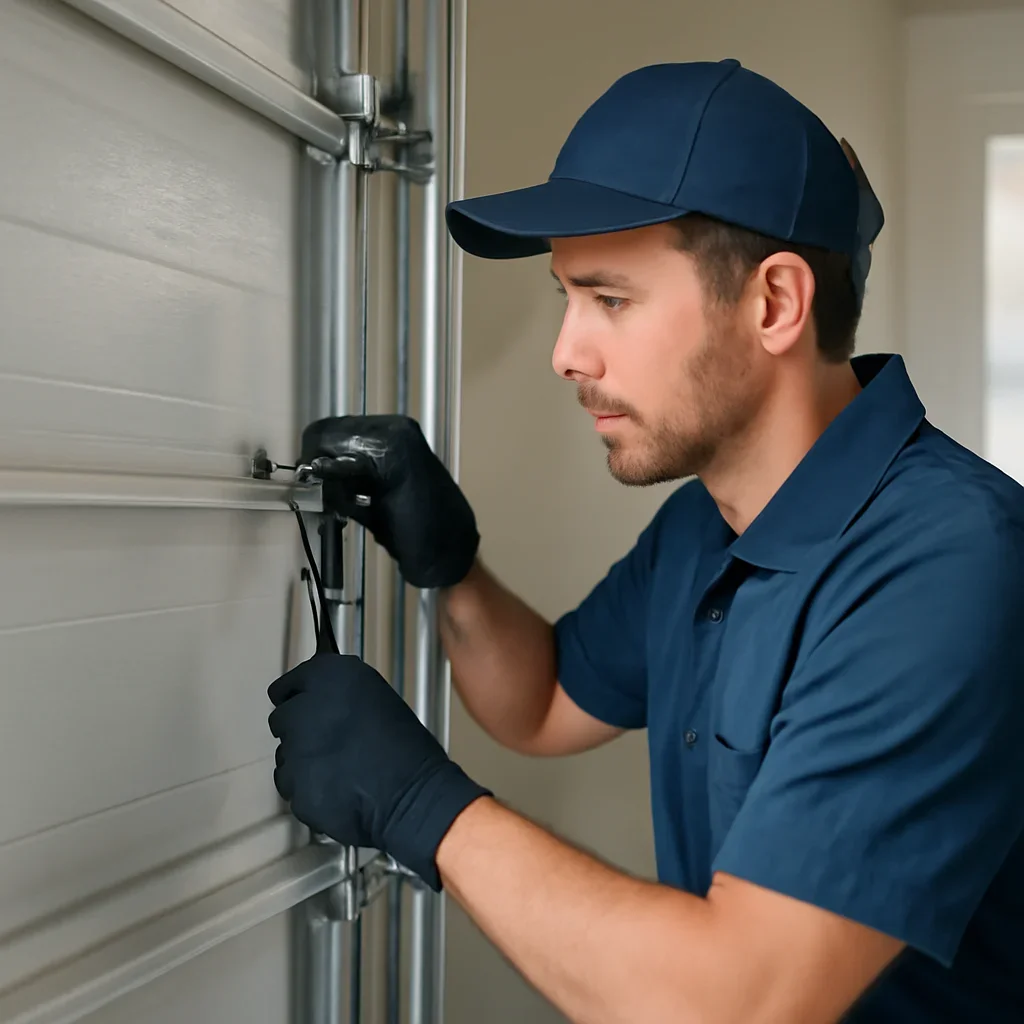
Local garage doors may operate in damp air, heavy rain, leaf debris, road grit, sloped driveways, shared parkades, attached garages, or high-use household settings.
Damp tracks, rust, dirty bearings, wet debris, and exposed hardware can increase friction or reduce smooth roller movement.
Doors used as a main household entrance can place more operating cycles on rollers, hinges, tracks, springs, and openers.
Roller condition, track alignment, hinge play, opener mounting, and door construction all influence noise near living areas.
A roller that has left the track can be connected to track damage, impact, loose hardware, cable problems, spring failure, or a crooked door. Keep people, pets, vehicles, and stored items away from the travel path and avoid forcing movement.
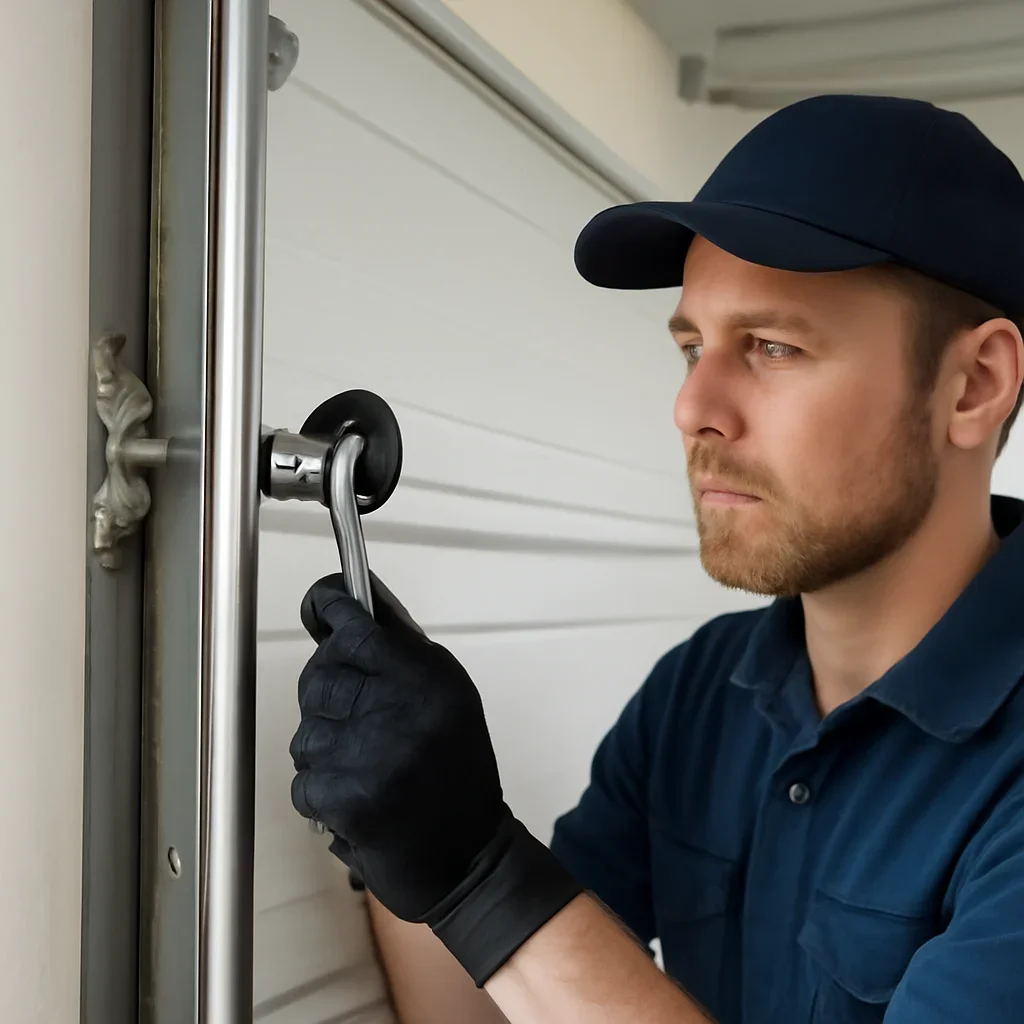
You do not need to identify the roller material or bearing type. Describe what the door sounds and feels like, and where the problem appears during travel.
Mention grinding, squealing, scraping, rattling, popping, or vibration and whether it happens at one height or through the full cycle.
Include shaking, jerking, binding, slow travel, side movement, a roller leaving the track, or an opener that sounds strained.
Note cracked wheels, rust, loose hinges, track damage, door position, garage type, access restrictions, and urgency.
For a broader condition review when several parts appear worn, use the garage door inspection guidance.
Rough or loud operation can also involve track alignment, loose hinges, spring balance, cable tension, opener mounting, worn bearings, damaged panels, or debris. The complete movement path should be checked before parts are selected.
The service process should confirm the source of the noise or resistance, inspect connected components, match suitable rollers, and verify the door afterward.
Review the sound, movement, visible roller condition, track contact, door position, opener response, and access impact.
Check rollers, stems, bearings, tracks, hinges, brackets, balance, cables, springs, and visible corrosion or damage.
The work should reflect the roller type, full-set condition, track compatibility, door weight, usage, and related wear.
Travel, noise, roller tracking, hinge movement, balance, controls, opener load, closing position, and safety operation should be confirmed.
These pages help distinguish roller wear from noise, off-track movement, maintenance needs, and broader repair issues.
These answers cover warning signs, track wear, full-set replacement, and useful service-request details.
Common signs include grinding, squealing, rattling, shaking, rough travel, visible cracks, flat spots, loose stems, seized wheels, or rollers that wobble or leave the track.
Yes. Seized, cracked, misaligned, or loose rollers can add friction, vibration, and uneven pressure that may contribute to track wear, rubbing, or alignment problems.
That depends on the condition, age, type, and wear pattern of the full roller set. The tracks, hinges, stems, brackets, door balance, and opener load should also be checked.
Useful details include the type of noise, where it occurs, whether the door shakes or binds, any visible cracked or loose roller, the door position, opener behaviour, property access, and urgency.
Include whether the door grinds, squeals, rattles, shakes, binds, or jerks; where the sound occurs; whether a roller is cracked, loose, or out of the track; the opener response; and any access restrictions.