Norgate and South West North Vancouver

Garage Door Opener Repair in Norgate & South West North Vancouver

Restore reliable garage access when the opener, remote, keypad, wall control or safety sensors stop working correctly. We diagnose opener problems for Norgate rancher-style homes, renovated properties, townhome complexes, strata garages and businesses around Marine Drive, Welch Street, MacKay Road and Pemberton Avenue.

  • Motor, rail and drive-system problems
  • Remote, keypad and wall-control issues
  • Sensor and unexpected reversal problems
  • Noisy, slow or inconsistent garage access
Is the Opener Always the Reason a Garage Door Will Not Open?

No. A broken spring, loose cable, poor balance, damaged roller or track resistance can make a working opener appear weak. The physical door and opener should be checked together before the motor is replaced.

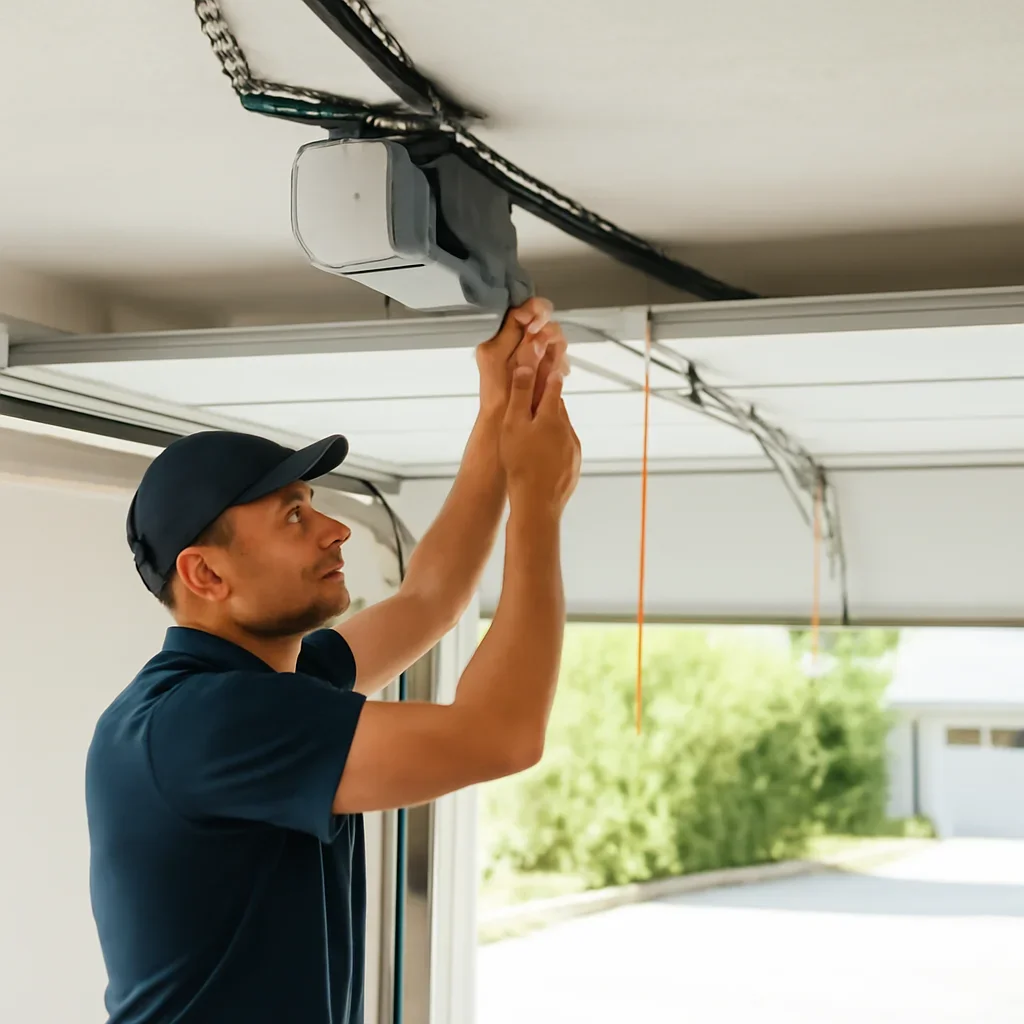
Garage door opener repair consultation with a homeowner in Norgate and South West North Vancouver
Is the Garage Your Main Daily Entrance? Tell us which control works, what the opener sounds like and whether the door opens, stops or reverses. (844) 822-2211
Whole-System Diagnosis Door, opener and controls
Symptom-Based Service No part name required
Property-Aware Planning Homes, strata and businesses
Final Safety Testing Sensors, travel and reversal
Diagnose the Door and Opener Together

A Motor Problem and a Heavy-Door Problem Can Feel the Same

An opener is designed to move a properly balanced garage door. It should not have to force a door with a failed spring, damaged cable, worn roller, bent track or serious alignment problem.

This distinction is especially useful in Norgate, where an older garage opening may have newer opener equipment added during a renovation. The motor may not be the original source of the problem.

The main garage door opener and remote repair service explains the full diagnostic approach. The North Vancouver Garage Doors homepage connects all local repair, installation and maintenance options.

Details That Help Narrow the Cause

  • Which remote, keypad or wall control still works
  • Whether the motor hums, clicks or stays silent
  • How far the garage door moves before stopping
  • Whether the door closes and reverses
  • Whether the opener light flashes an error pattern
  • Whether the door looks crooked or unusually heavy
  • Whether the problem changes during wet weather
  • Whether a vehicle or shared entrance is affected
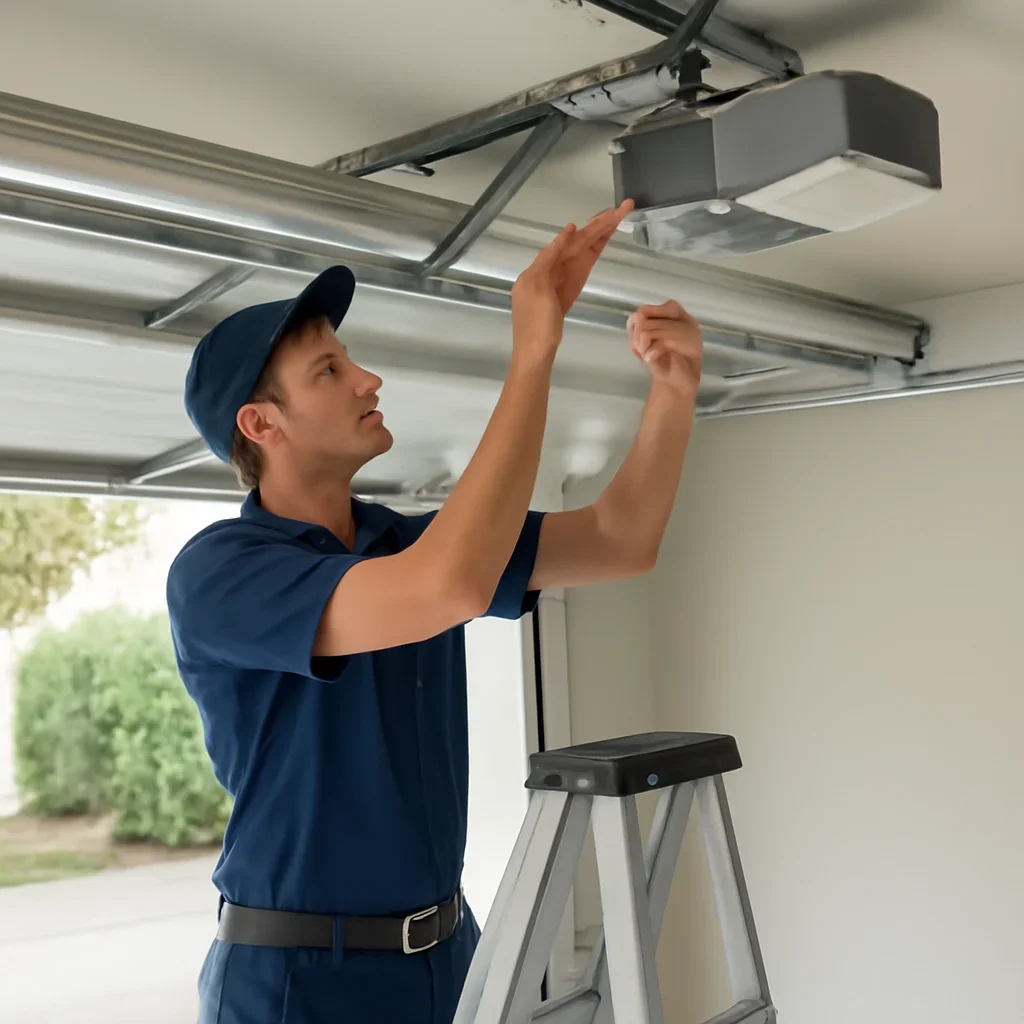
Garage doors on established homes and multi-family properties in Norgate and South West North Vancouver
Opener repair for established homes, renovated openings, townhome complexes, strata garages and mixed-use properties across Norgate and the Marine Drive corridor.
Hyperlocal Opener Conditions

Garage Access Needs Vary Across Norgate and South West North Vancouver

Norgate is known for flat residential streets, mature landscaping and many single-level rancher-style homes. Garage spaces may have lower ceilings, original framing or equipment added during later renovations.

The edges of the neighbourhood and the wider Marine Drive corridor include townhomes, apartments, strata buildings, shops and mixed-use properties. Some doors serve shared parking areas or entrances used more often than a private residential garage.

Regular North Shore rain can affect exterior keypads, sensor wiring and exposed electrical connections. Moisture, leaves and road grit near the floor can also interfere with sensors or increase resistance around the door.

Older Rancher-Style Homes Review mixed-age doors, lower clearances and opener equipment added during renovations.
Flat Residential Driveways Check floor contact, bottom seals and sensors close to leaves, moisture and road debris.
Marine Drive Properties Plan around shared parking, active drive aisles and limited working space.
Frequently Used Entrances Match repair decisions to the number of daily cycles and people relying on the door.
Protect Access and the Door System

Stop Repeatedly Running an Opener Against a Door That Cannot Move

Repeated attempts can add strain to the motor, rail and drive system. If the garage door is heavy, crooked, off its tracks or affected by visible spring or cable damage, stop operating it.

The issue is more urgent when a vehicle is trapped, the garage cannot be secured or a shared entrance is blocking residents, staff or customers.

Stop Operating the System When:

  • The door hangs higher on one side
  • A spring or lifting cable appears damaged
  • The garage door has moved away from its tracks
  • The opener strains without moving the door
  • The door closes faster than expected
  • The opening cannot be secured
  • A shared or business entrance is blocked
Repair Based on Property Use

Different Properties Create Different Opener Priorities

Opener components may be similar, but ceiling space, access, daily operating cycles and the number of people affected can change the repair plan.

Norgate Detached Homes

  • Check lower or compact garage ceiling space
  • Review older doors with newer opener equipment
  • Restore access used for daily family routines
  • Consider remote range from private driveways
  • Check keypads and sensors exposed to moisture
Townhomes and Strata Garages

  • Coordinate around shared parking areas
  • Review controls used by several residents
  • Consider vibration near neighbouring homes
  • Check doors with higher daily operating cycles
  • Provide clear findings for strata management

Shops and Mixed-Use Properties

  • Restore access needed for staff and deliveries
  • Review higher-frequency door operation
  • Plan around customers and active work areas
  • Confirm suitable controls and receiver range
  • Reduce disruption near Marine Drive businesses
Noise Has More Than One Source

A Loud Garage Does Not Always Need a New Opener

Motor wear can create noise, but worn rollers, loose hardware, poor balance, stiff hinges and track resistance can also cause rattling or vibration.

Correct diagnosis matters in compact rancher-style homes, townhomes and mixed-use buildings where the garage may sit beside bedrooms, offices or occupied living areas.

Motor or Drive Noise Humming, clicking, slipping or harsh starts may point to opener wear.
Roller and Track Noise Grinding, rattling or shaking may come from the moving garage-door hardware.
Door-Balance Strain A heavy door can make a working motor sound weak or overloaded.
Building Vibration Loose mounting or unsuitable components can transfer vibration into nearby rooms.
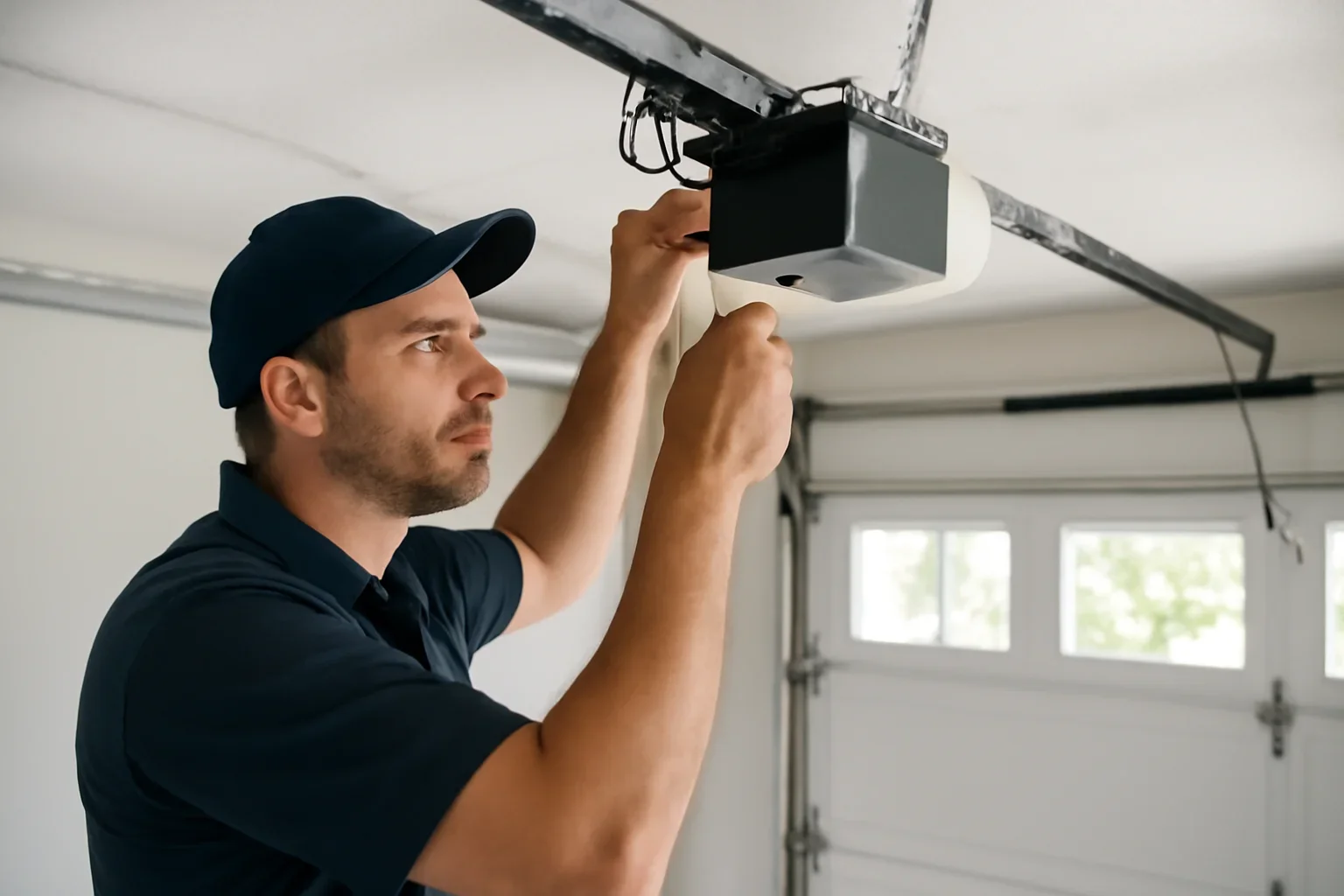
Technician diagnosing a garage door opener in Norgate and South West North Vancouver
A Clear Diagnostic Process

What to Expect During Garage Door Opener Repair

The assessment begins with the operating symptoms and then checks the physical door, controls, sensors and opener. This avoids replacing opener equipment when another component is causing the problem.

Describe the Access Problem

Explain which controls work, what sounds occur and whether the door opens, stops or reverses.

Check the Physical Garage Door

Review balance, springs, cables, rollers, tracks and parts that may create resistance.

Test the Opener and Controls

Check the motor, rail, drive system, receiver, wall control, remote, keypad and safety sensors.

Explain the Available Options

Understand whether the system needs programming, focused repair, door service or opener replacement.

Complete the Approved Work

Address the confirmed fault and related work needed for dependable garage-door movement.

Confirm Safe Performance

Test travel, closure, controls, sensors and relevant safety-reversal functions.

Make a Condition-Based Decision

Should the Garage Door Opener Be Repaired or Replaced?

One failed remote, keypad or sensor does not automatically mean the entire opener needs replacement. The recommendation should reflect the actual fault and condition of the system.

Repair May Be Practical When:

  • The problem is limited to a control or sensor
  • A serviceable opener component has failed
  • Programming or travel settings need correction
  • The opener remains suitable for the garage door
  • The system has not had repeated major failures

Replacement May Be Worth Comparing When:

  • The motor or drive system fails repeatedly
  • Important replacement parts are unavailable
  • The opener is undersized for the garage door
  • Safety functions remain unreliable
  • Quieter or more dependable access is needed

The recommendation should also explain whether a spring, cable, roller, track or balance problem placed added strain on the opener. Review the garage door pricing guidance before requesting an estimate.

Provide Useful Starting Details

What Should You Share When Requesting Opener Repair?

You do not need to identify the technical fault. A few practical details help narrow the likely cause and the urgency of the access problem.

  • Norgate or southwest property location
  • Private, strata or business garage
  • Which controls still work
  • What the opener sounds like
  • How far the door moves
  • Whether it closes and reverses
  • Any flashing light or error pattern
  • Whether the door looks level
  • Whether a vehicle is trapped
  • Whether shared access is affected
Helpful Opener Answers

Garage Door Opener Repair Questions

These answers cover common opener, remote, keypad and sensor concerns for Norgate and southwest North Vancouver properties.

Why Does the Opener Run but the Garage Door Not Move?

The opener may be disconnected, or a drive component may have failed. A broken spring, damaged cable, poor balance or track resistance can also prevent movement.

Why Does the Door Close and Then Open Again?

Safety sensors may be dirty, blocked or out of alignment. Travel settings, floor contact, poor balance or track resistance may also cause reversal.

Why Does the Wall Control Work but the Remote Does Not?

The remote may need a battery, programming or replacement. It may also be incompatible with the receiver or affected by signal interference.

Can Rain Affect an Exterior Garage Door Keypad?

Repeated moisture exposure can contribute to worn buttons, unreliable connections or corrosion, especially on an older or poorly protected keypad.

Can a Heavy Garage Door Damage the Opener?

Yes. The opener is intended to move a balanced door. A spring, cable, roller or alignment problem can place added strain on the motor, rail and drive system.

Can a Noisy Garage Door Opener Be Made Quieter?

The source of the noise must be identified first. It may come from the opener, rollers, hinges, loose hardware, poor balance or vibration entering the building.

Can an Older Norgate Garage Use a Modern Opener?

Often it can, but the door weight, balance, ceiling clearance, track layout, power supply and existing mounting area should be checked first.

Do Shared or Commercial Garages Need Different Planning?

The repair method may be similar, but operating cycles, shared controls, parking flow and the number of people affected can change service coordination.

What Information Should I Provide for Opener Repair?

Explain which controls work, what the opener sounds like, how far the door moves and whether it looks level. Mention whether a vehicle or shared entrance is affected.

Request Local Opener Repair

Tell Us What the Opener, Remote or Keypad Is Doing

Share your Norgate or southwest North Vancouver location and describe which controls work, what sounds you hear and how far the door moves. Mention whether the garage door is open, closed, stuck, reversing or affecting shared access.

  • Property Location
  • Working Controls
  • Door Movement
  • Sounds or Error Lights

You do not need to identify the failed part. A clear description of the controls, sound and door movement gives the assessment a useful starting point.

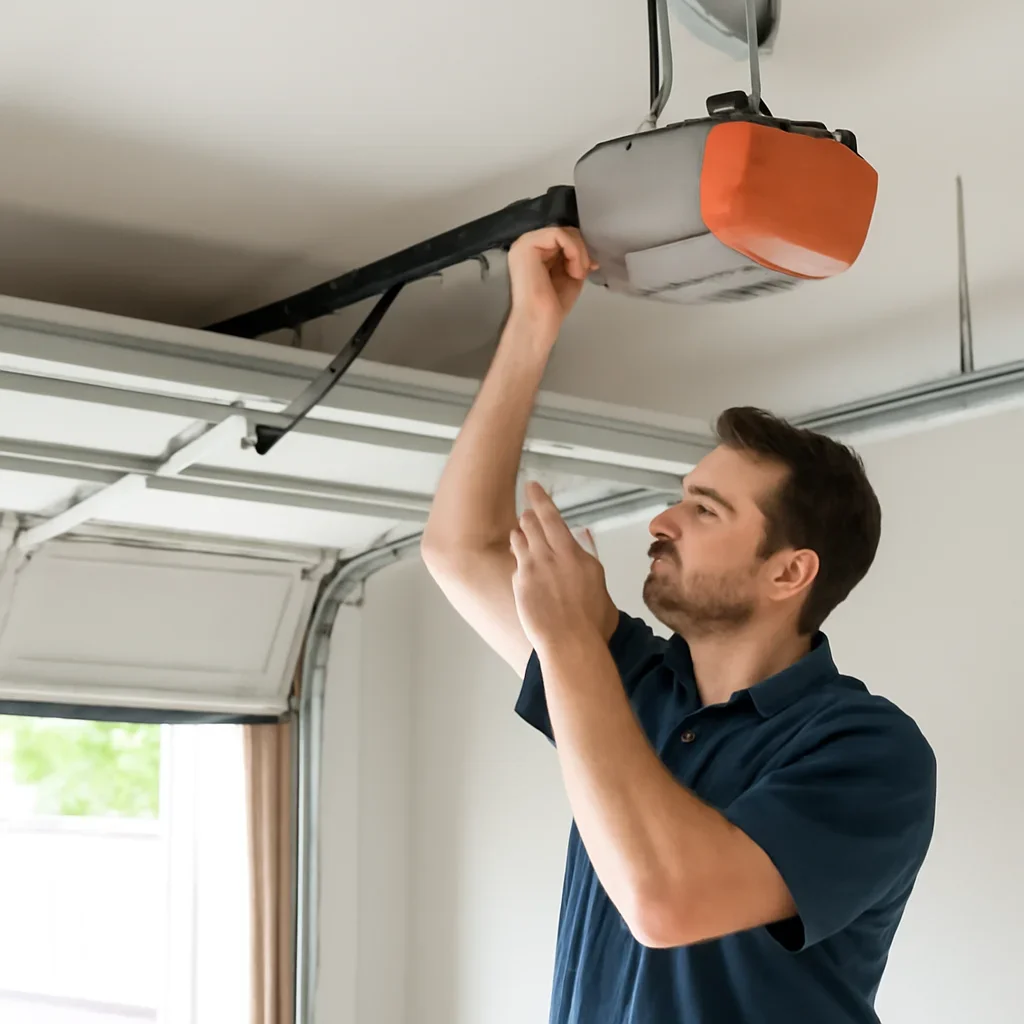
Homeowner requesting garage door opener repair in Norgate and South West North Vancouver