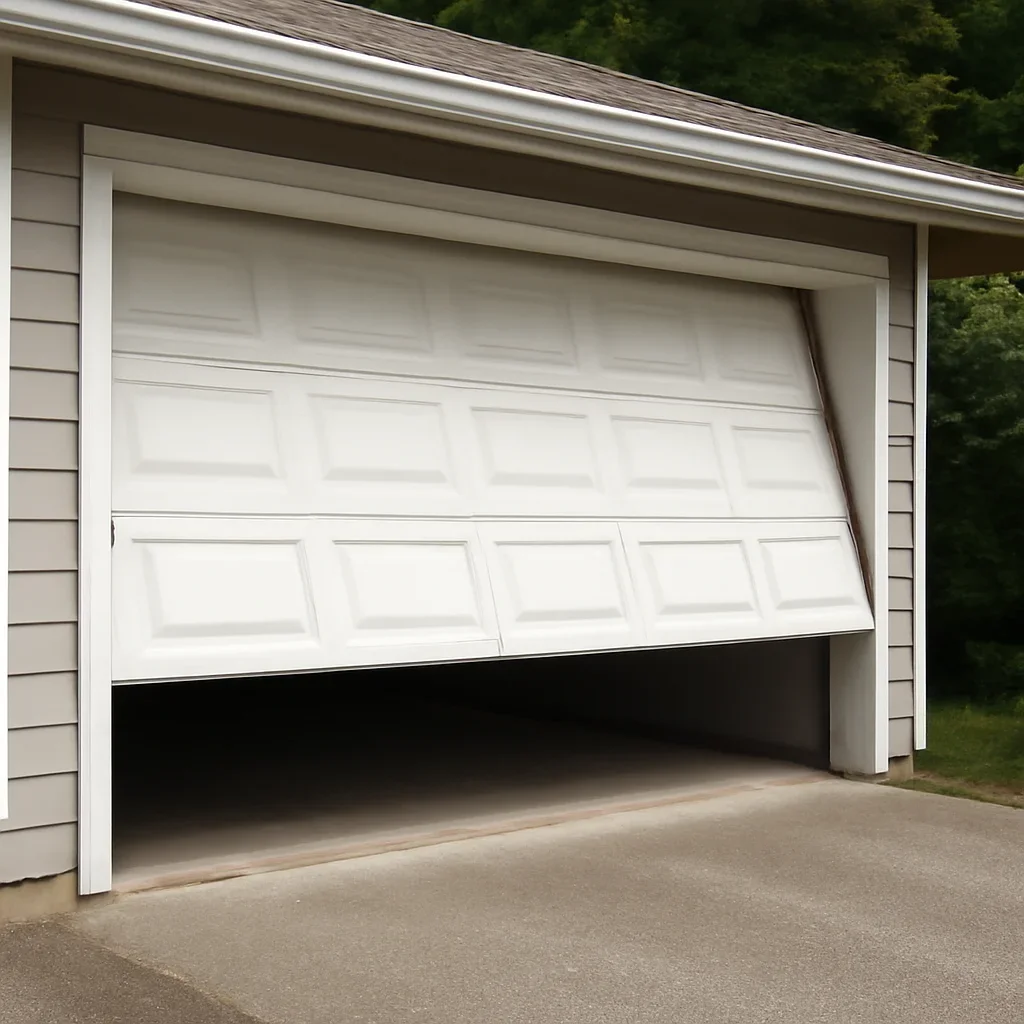
The Door Starts Down And Reverses
The safety system may be detecting an obstruction, or the opener may be reacting to resistance in the tracks, rollers or door movement.
Review Sensor Repair
A garage door that opens but will not close may have blocked or misaligned safety sensors, damaged wiring, incorrect opener travel, track resistance, an obstruction or an uneven door. The way the door stops or reverses helps identify the system that needs attention.
Do not disable, bypass or permanently hold down a control to defeat the safety sensors. Clear people, pets, vehicles and stored items from the opening. Stop testing if the door is crooked, scraping, off track or moving unpredictably.
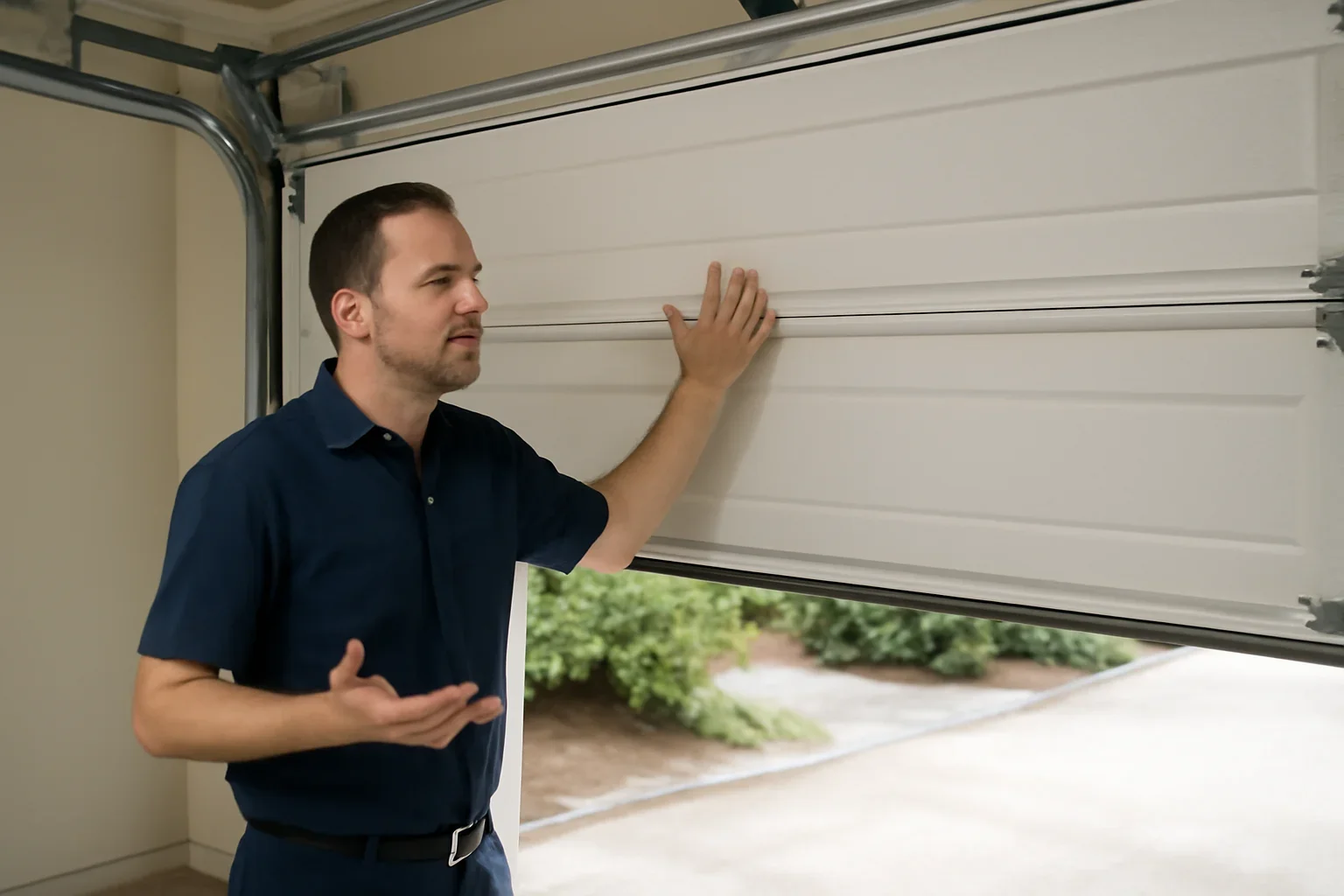
You do not need to repair or reprogram the system yourself. Basic observations can help separate a visible obstruction or sensor issue from a deeper opener, track or alignment problem.
Look across the garage floor and door opening for boxes, tools, leaves, stones or other objects in the travel path. From a safe position, observe whether both sensor units appear secure, face each other and show their normal indicator lights.
Watch whether the door stays level as it moves. Listen for scraping, grinding, popping or a sudden change in motor sound. Stop operating the system if one side becomes lower, a cable looks loose or a roller appears outside the track.
Sensor-specific faults can be handled through garage door sensor repair. Wider mechanical issues can be assessed through garage door repair in North Vancouver.
Learn more about North Vancouver Garage Doors and the residential, strata and commercial properties we assist.
The exact response can help identify whether the likely cause involves the sensors, opener settings, door movement or physical obstruction.
The safety system may be detecting an obstruction, or the opener may be reacting to resistance in the tracks, rollers or door movement.
Review Sensor RepairA sensor, wall control, opener logic or control-wiring issue may prevent the closing command from being completed. Compare the response from each authorized control.
Review Opener And Remote RepairMany openers use flashing lights to report a safety-sensor or closing fault. The number and pattern may vary between opener models.
Travel settings, track resistance, damaged rollers, weather seals or an uneven closing position may prevent the door from reaching the floor correctly.
Review Balance And AlignmentA cable, roller, track or balance problem may be pulling the door unevenly. Stop using the system if the door becomes sharply crooked or unstable.
Review Cable RepairBent tracks, worn rollers, panel damage or shifted hardware may create resistance that causes the opener to stop or reverse.
Review Track RepairClosing faults usually involve the safety system, opener settings, the door’s physical path or uneven mechanical movement.
The photo-eye system is designed to prevent the door from closing when the opening is not clear.
The opener may stop or reverse when its closing position or operating response no longer matches the door.
Physical resistance may cause the opener to treat normal closing as an unsafe obstruction.
The door may reach one side of the floor first or meet unusual resistance near the bottom of its travel.
When the cause is unclear or more than one symptom appears, arrange a garage door inspection so the sensors, opener and mechanical door system can be assessed together.
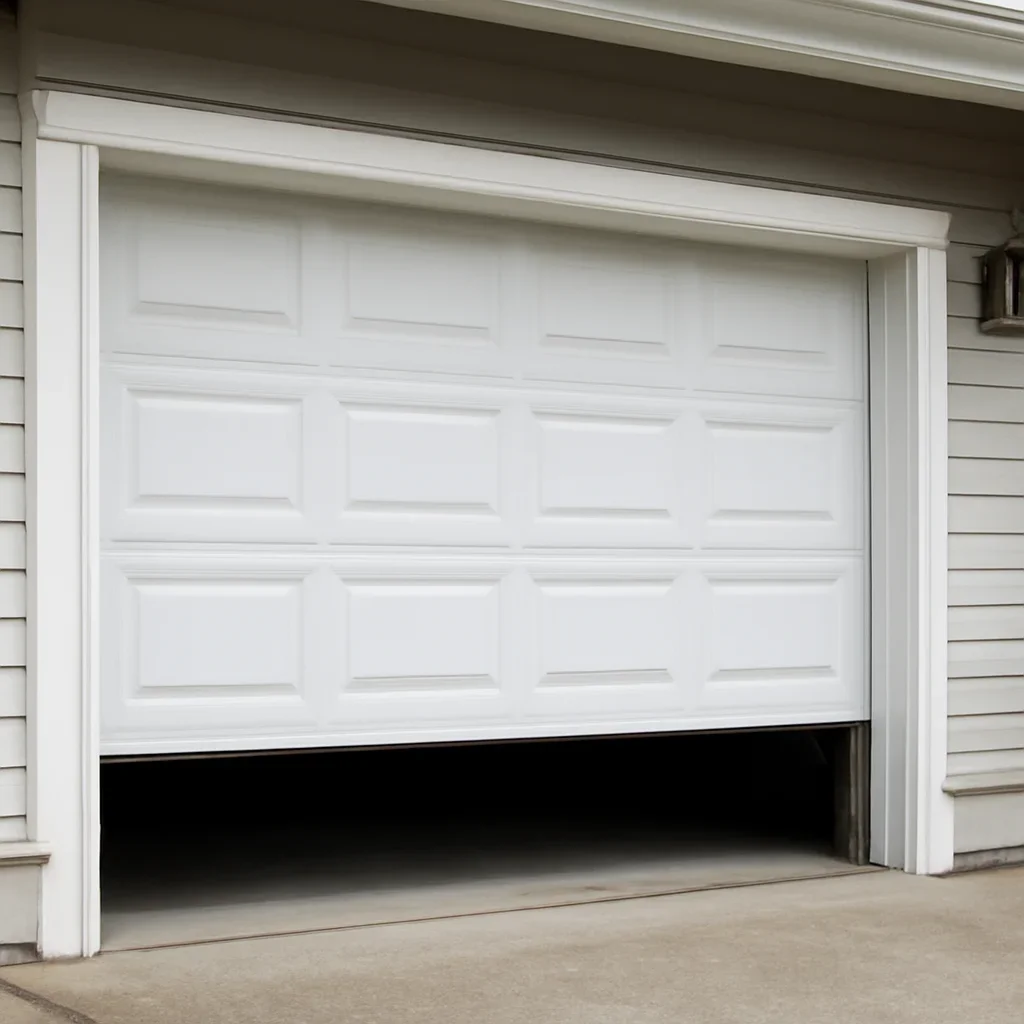
North Vancouver garage doors operate in wet weather, changing daylight and properties with sloped driveways, landscaping or underground parking. Moisture, leaves and debris near the threshold can affect sensors or interfere with the door’s closing path.
Sensor brackets may also be disturbed by stored items, bicycles, garbage containers or vehicles positioned close to the opening. In compact garages, even a small shift can interrupt the beam and leave the door unable to close.
Shared strata and commercial doors may create a larger security and access concern when they remain open. The response should consider how many people use the entrance, whether the property can be secured and whether another authorized access point is available.
A door that will not close can become urgent when the property cannot be secured, the door is unstable or a shared entrance remains open.
Standard service may be suitable when the door remains fully open, no component is hanging loose and the garage can be monitored or secured by another safe method.
Explain whether the garage provides access to the home, shared parking or business inventory. The security impact helps determine the appropriate response.
Request urgent service when the door is partly closed, hanging unevenly, off track, supported by a loose cable or moving in an uncontrolled way.
Emergency Garage Door RepairKeep people, pets and vehicles clear of a partially closed or unstable door. Do not attempt to push the door down by hand or defeat its safety system.
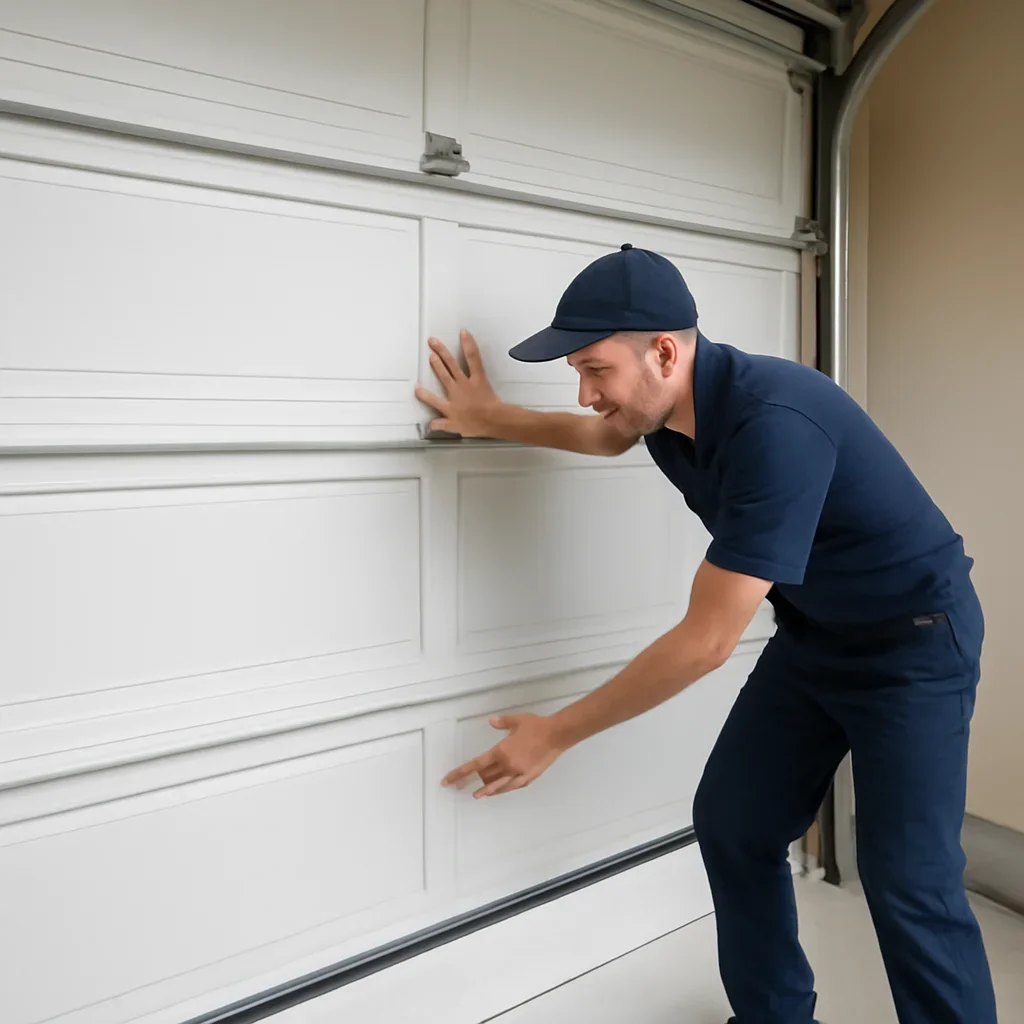
The assessment follows the closing command from the controls through the opener, sensors and complete door movement before the appropriate repair is recommended.
Security, access and operating frequency affect how quickly a closing problem needs to be assessed.
A door that remains open may expose vehicles, stored items or an interior entrance to the home. Mention whether the garage can be monitored or secured another way.
Shared-door problems may affect residents, parking and building security. Access coordination and communication with the property contact may be required.
A commercial door that cannot close may expose inventory, equipment or authorized access points and interrupt normal closing procedures.
Commercial Garage Door ServiceWe assist with sensor faults, reversing doors, opener problems and uneven closing throughout the City and District of North Vancouver.
These answers cover sensors, reversing doors, opener lights, obstructions, uneven closing and situations that need urgent attention.
Common causes include blocked or misaligned sensors, damaged sensor wiring, an obstruction, incorrect opener travel, track resistance, worn rollers or a door that is closing unevenly.
The opener may detect a blocked sensor beam or unusual resistance during closing. Check for visible objects in the opening and stop testing if the door scrapes, shakes or moves unevenly.
A flashing opener light often reports a sensor or closing-system fault. The exact pattern depends on the opener model, so sensor lights, wiring and door movement should be assessed together.
Bright light, moisture, dirt or a shifted sensor can interfere with reliable sensor operation. The mounting, lens, indicator lights and wiring should be checked rather than bypassing the safety system.
Do not use the wall control to defeat a safety fault as a normal solution. This can allow the door to close without proper protection. The sensor or closing problem should be repaired.
Uneven closing can involve a cable, roller, track, spring, hinge or panel problem. Stop using the door if it becomes crooked, binds or has a loose cable.
It may require urgent service when the property cannot be secured, a shared entrance remains open or the door is crooked, off track, partly closed or unstable.
Explain whether the door stays open, starts down and reverses, stops partway or closes unevenly. Mention flashing lights, sensor indicator lights, visible obstructions and any unusual sound.
You can also review our garage door FAQs, explore garage door problem guides or contact customer support.
Explain whether the door remains open, starts down and reverses, stops before the floor or sits higher on one side. Mention sensor lights, opener flashes, obstructions and any scraping or unusual movement.
Service requests are handled according to our Privacy Policy and Terms of Service.