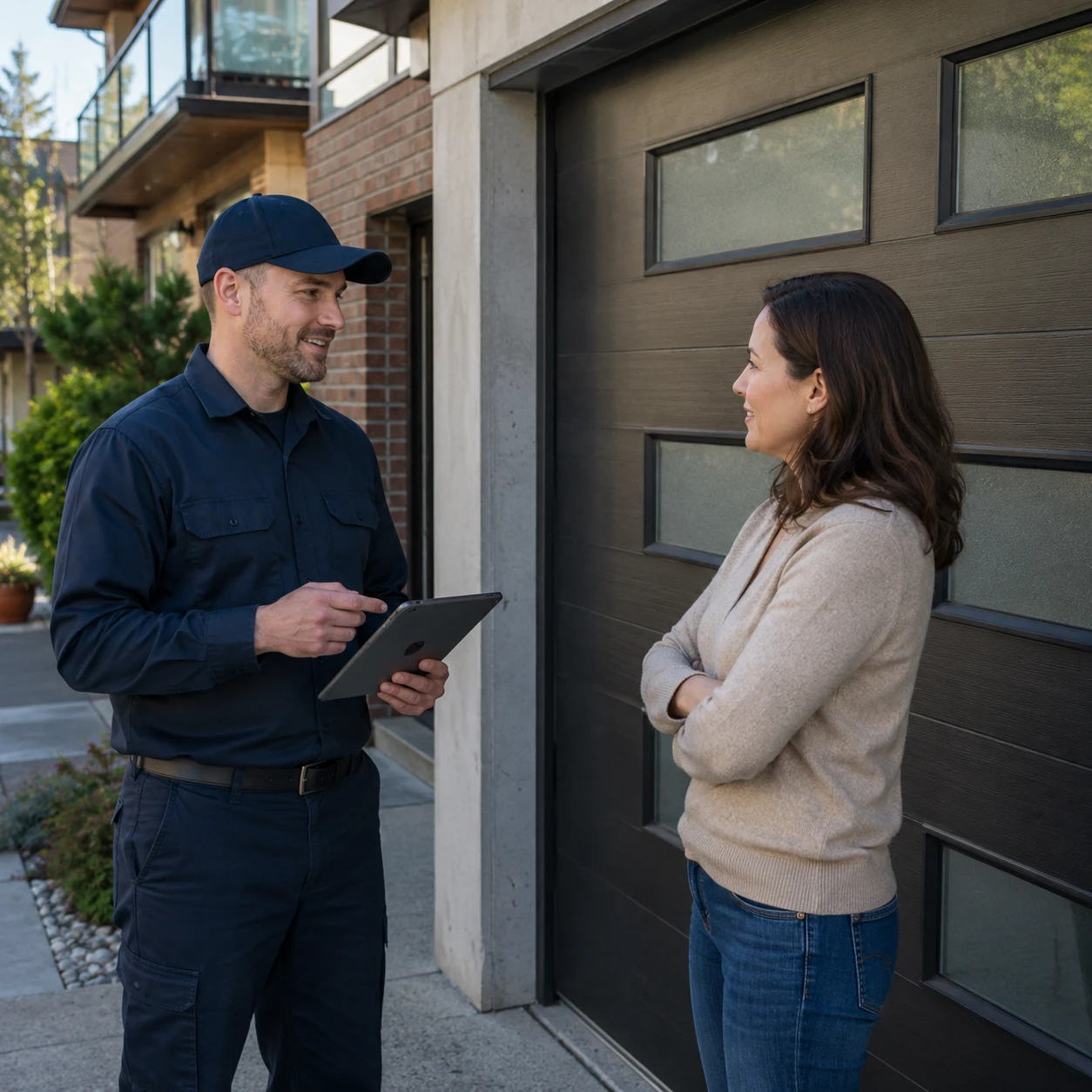
Seymour Residential Properties
- Review attached and below-home garages
- Check noise near bedrooms and living rooms
- Account for sloped or tree-lined driveways
- Inspect older openings with newer equipment
- Restore reliable family and vehicle access

Get practical help with garage door repairs, new installations, opener problems, broken springs and preventative maintenance across Maplewood, Riverside, Blueridge, Seymour Heights, Windsor Park, Northlands and nearby East North Vancouver communities.
Local service includes general repairs, new door installation, opener work, spring and cable repairs, component replacement, safety inspections, weather seals and preventative maintenance.
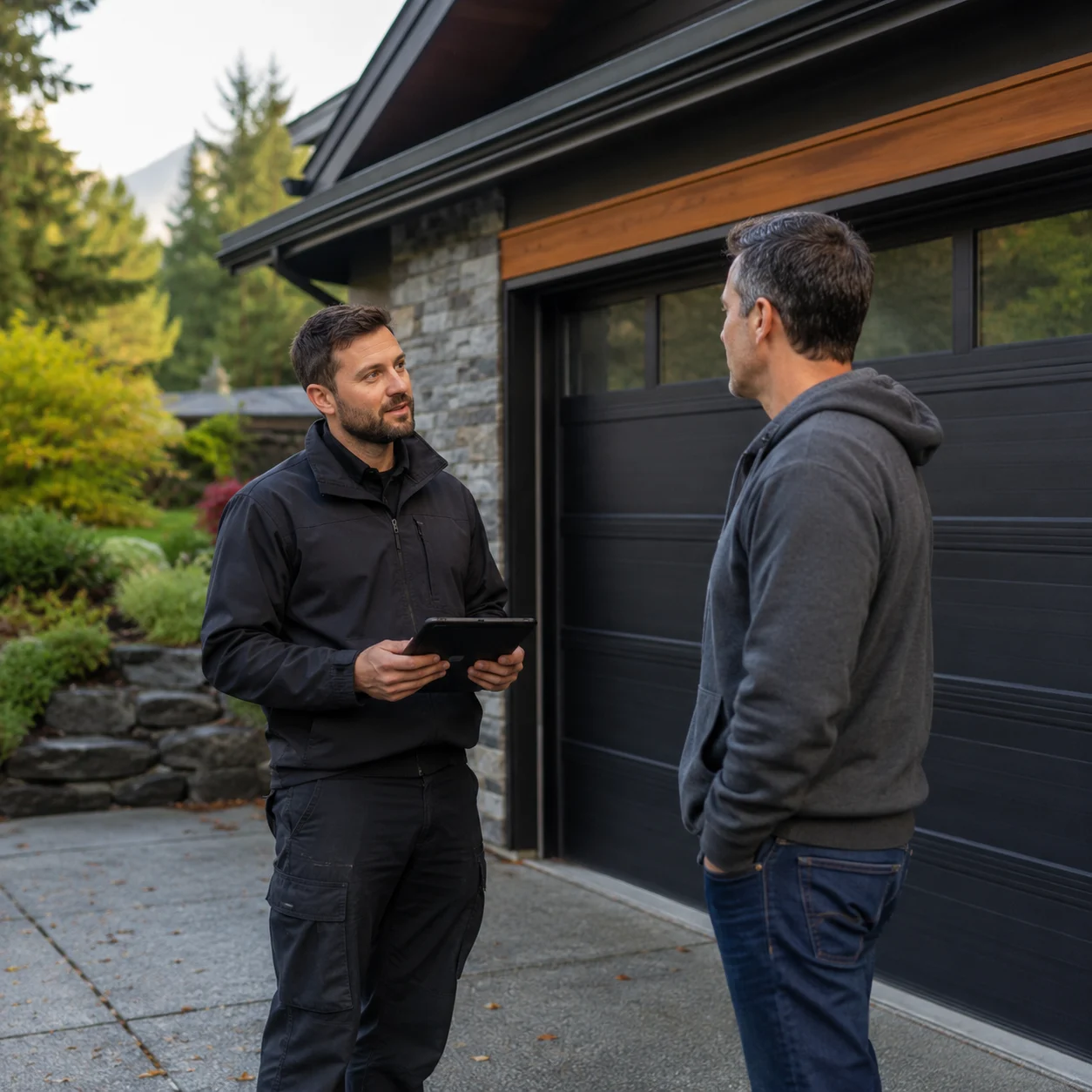
Select the option that most closely matches the problem or project. Each local service page explains common warning signs, property needs and the next practical step.
Diagnose doors that are stuck, uneven, noisy, slow, off track or no longer opening and closing correctly.
Explore local repairPlan a new or replacement door around the opening, property use, insulation, appearance and opener requirements.
Explore local installationResolve motor, rail, remote, keypad, wall-control and safety-sensor problems affecting dependable access.
Explore local opener repairGet help with broken springs, loose cables, heavy doors, uneven lifting and added strain on the opener.
Explore local spring repairCheck balance, rollers, tracks, seals, controls and developing wear before an avoidable breakdown occurs.
Explore local maintenance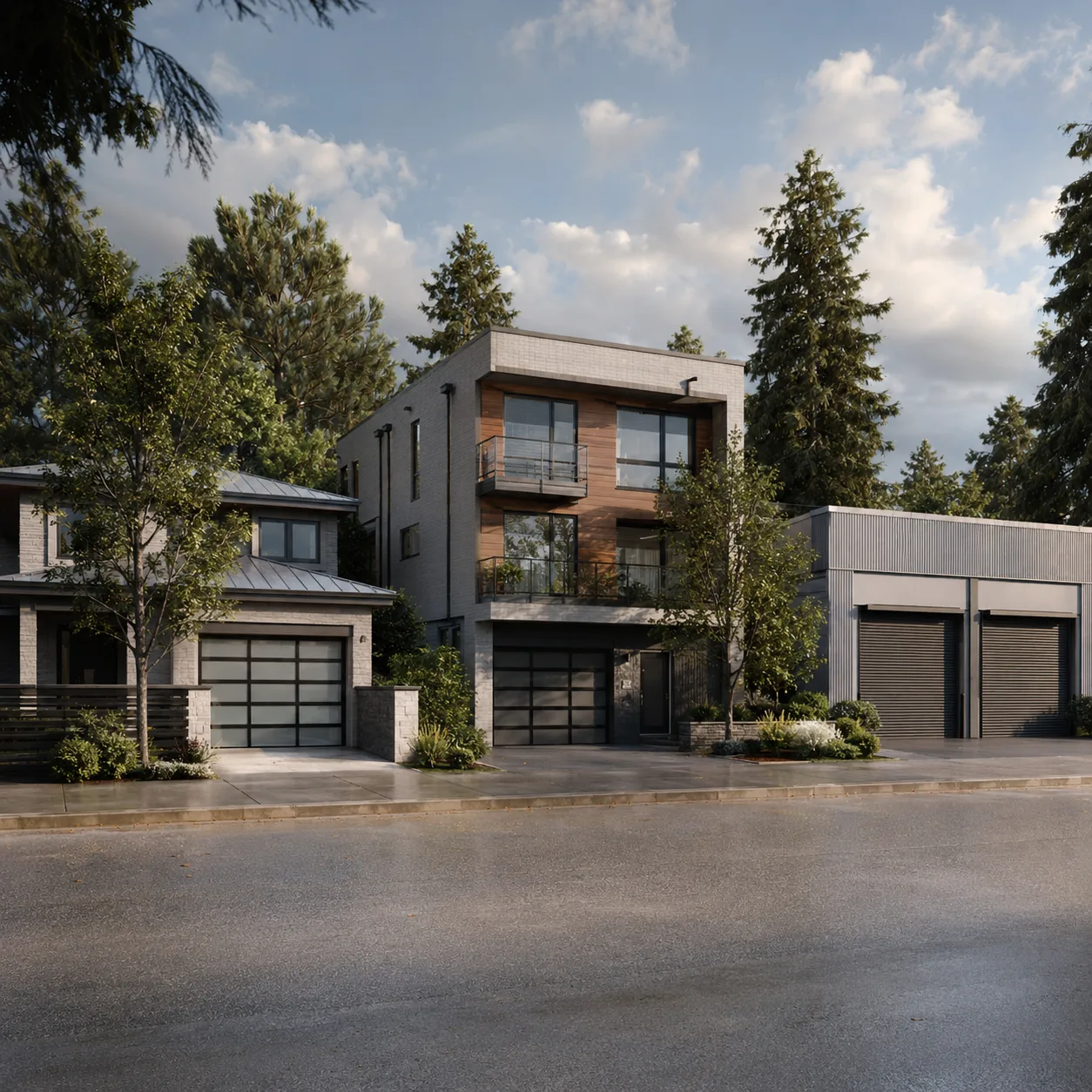
Maplewood includes established homes, newer townhomes and apartments, neighbourhood retail, business parks, workshops and light-industrial properties around Old Dollarton Road, Dollarton Highway, Riverside Drive and Seymour River Place.
The wider Seymour area includes detached homes and townhome communities in Riverside, Blueridge, Seymour Heights, Windsor Park and Northlands. Garages may be attached to living areas, built below homes or reached by sloped and tree-lined driveways.
This mix means the correct service plan may depend on daily operating cycles, driveway access, shared controls, loading needs, moisture exposure and whether the door protects a home, stored equipment or an active workplace.
The North Vancouver Garage Doors homepage connects the full repair and installation network. This page focuses on the property mix found across Seymour and Maplewood.
The same failed component can create different risks for a detached home, shared garage or commercial service door.
Residential streets, low-lying areas, active commercial properties and forest edges create different forms of wear across the Seymour–Maplewood service area.
The door, springs, cables, rollers, tracks, seals, sensors and opener should be reviewed as one connected system instead of treating every symptom in isolation.
You do not need to identify the failed part. Select the symptom that best matches the door, opener, controls or visible hardware.
A broken spring or lifting-system problem may prevent a working opener from raising the garage door.
Review broken spring repair 02The cause may involve a remote, keypad, receiver, motor, rail, sensor or resistance within the physical door.
Review opener and remote repair 03Stop operating an uneven door. Cable, roller, track or impact damage may be affecting controlled movement.
Review off-track repair 04Worn rollers, stiff hinges, loose hardware or track resistance can make operation noisy and unstable.
Review roller replacement 05Sensor alignment, dirty lenses, wiring, floor contact or door resistance may cause unexpected reversal.
Review sensor repair 06Worn perimeter seals, damaged bottom seals or uneven floor contact can leave gaps around the opening.
Review weather-seal serviceMaplewood includes workshops, service buildings, warehouses, retail properties and mixed-use developments. A failed garage or overhead door can affect staff, deliveries, stored equipment, customer access and building security.
Shared residential doors can also complete far more daily cycles than a private home garage. The inspection should account for actual use instead of treating every door as a low-use residential system.
The best option depends on the failed component, the condition of the remaining system and how well the current door still supports the property.
One failed component does not automatically require a complete replacement. The recommendation should explain the cause, related wear, safety concerns and long-term value of each option.
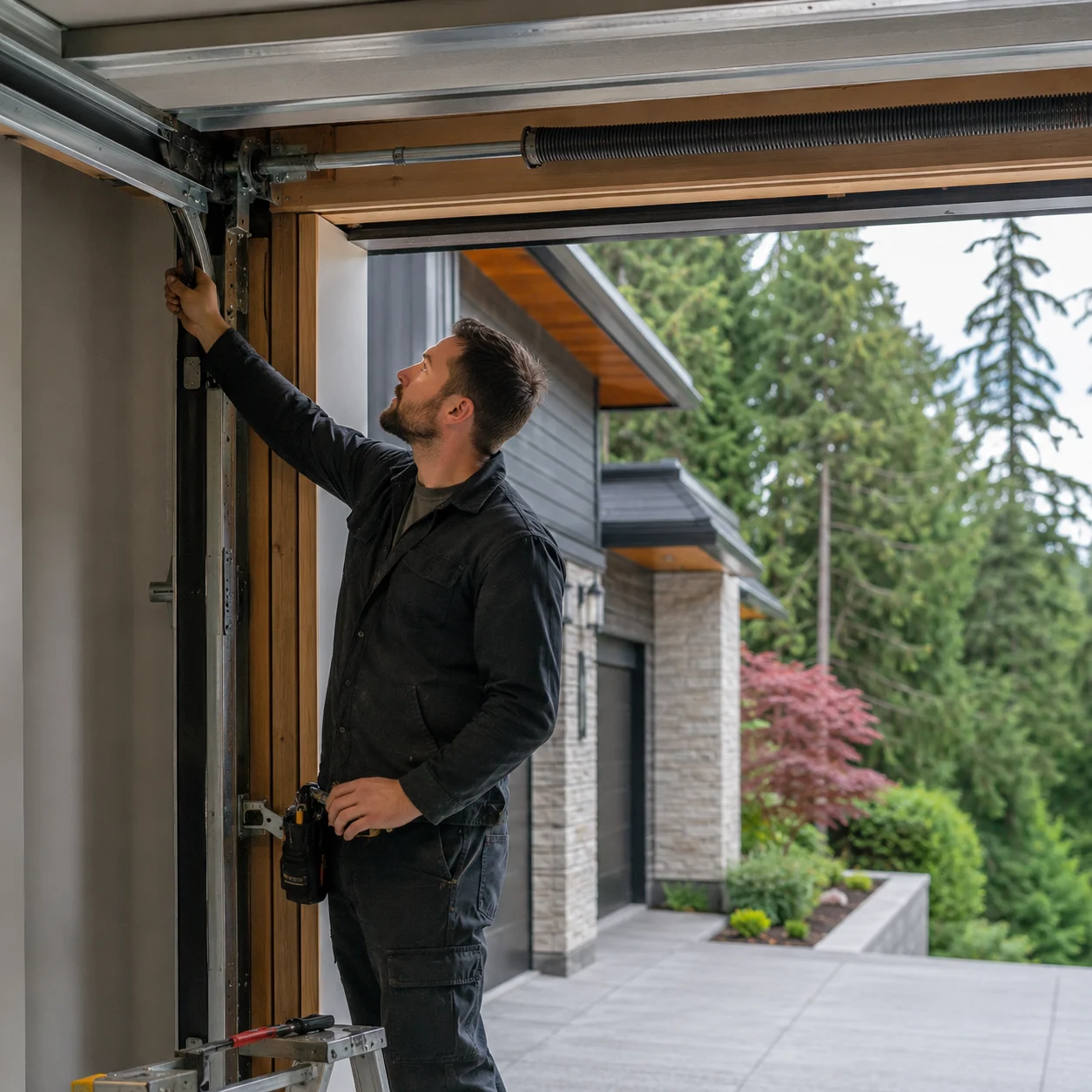
You can begin without knowing the technical name of the problem. A clear description of the door’s position, movement, sound and effect on the property is enough.
Share the location, property type, door position and whether access or security is affected.
Consider driveway grade, shared parking, loading areas, operating cycles and working space.
Check springs, cables, rollers, tracks, panels, seals, sensors, controls and opener operation.
Separate the original fault from related damage or wear elsewhere in the system.
Understand the proposed work, immediate safety needs and any items that can be monitored.
Confirm balance, travel, closure, controls, sensors and relevant safety functions.
Coverage includes established residential streets, newer mixed-use communities, townhome developments, business parks and commercial properties east of the Seymour River.
The door’s position, visible damage and effect on home, business or shared access help determine the appropriate starting point.
Pricing depends on the service, door construction, operating demands, related damage, replacement parts and property access.
These answers cover common repair, commercial, maintenance, moisture and property-access concerns in the local area.
Service includes general repairs, broken springs, damaged cables, rollers, tracks, panels, openers, remotes, keypads, sensors, weather seals, maintenance, installation and replacement.
Local coverage includes Maplewood, Riverside, Blueridge, Seymour Heights, Windsor Park, Windridge, Northlands and nearby Seymour communities.
Service is available for residential and commercial systems, including doors used by workshops, service buildings, warehouses, shops and mixed-use properties.
Check whether the opener has power and whether the door is locked. Stop operating it if the door is crooked, unusually heavy or affected by visible spring, cable or track damage.
Doors with higher operating cycles can place more wear on rollers, hinges, springs, cables and opener equipment. Service planning should reflect actual use.
Regular moisture can contribute to surface corrosion, deteriorated seals, stiff hardware and unreliable exposed electrical connections.
The repair method may be similar, but shared parking, higher operating frequency, access controls, nearby residents and property rules can change coordination.
Replacement may be worth comparing when damage is widespread, failures are frequent, important parts are unavailable or the current door no longer meets the property’s security, insulation or operating needs.
Share the location, property type, what the door is doing and whether access or security is affected. Mention whether it serves a home, shared parkade, workshop or commercial opening.
Share your Seymour or Maplewood location and describe the movement, sound or visible problem. Mention whether the door serves a private home, shared garage, workshop, warehouse, loading area or customer entrance.
You do not need to identify the failed component. A clear description of the property, door position and recent changes is enough to begin.