Find wear earlier
A condition review can identify worn rollers, loose fasteners, damaged cables, tired seals, sensor issues, and balance changes before they become more disruptive.

Regular maintenance helps reveal developing wear before it becomes a stuck door, damaged opener, security problem, or urgent repair. A useful tune-up should assess the complete moving system, not simply add lubricant and leave.
A practical tune-up checks balance, springs, cables, rollers, tracks, hinges, hardware, seals, sensors, controls, opener performance, noise, and safe travel. The goal is smoother operation and clearer direction about anything that needs repair.
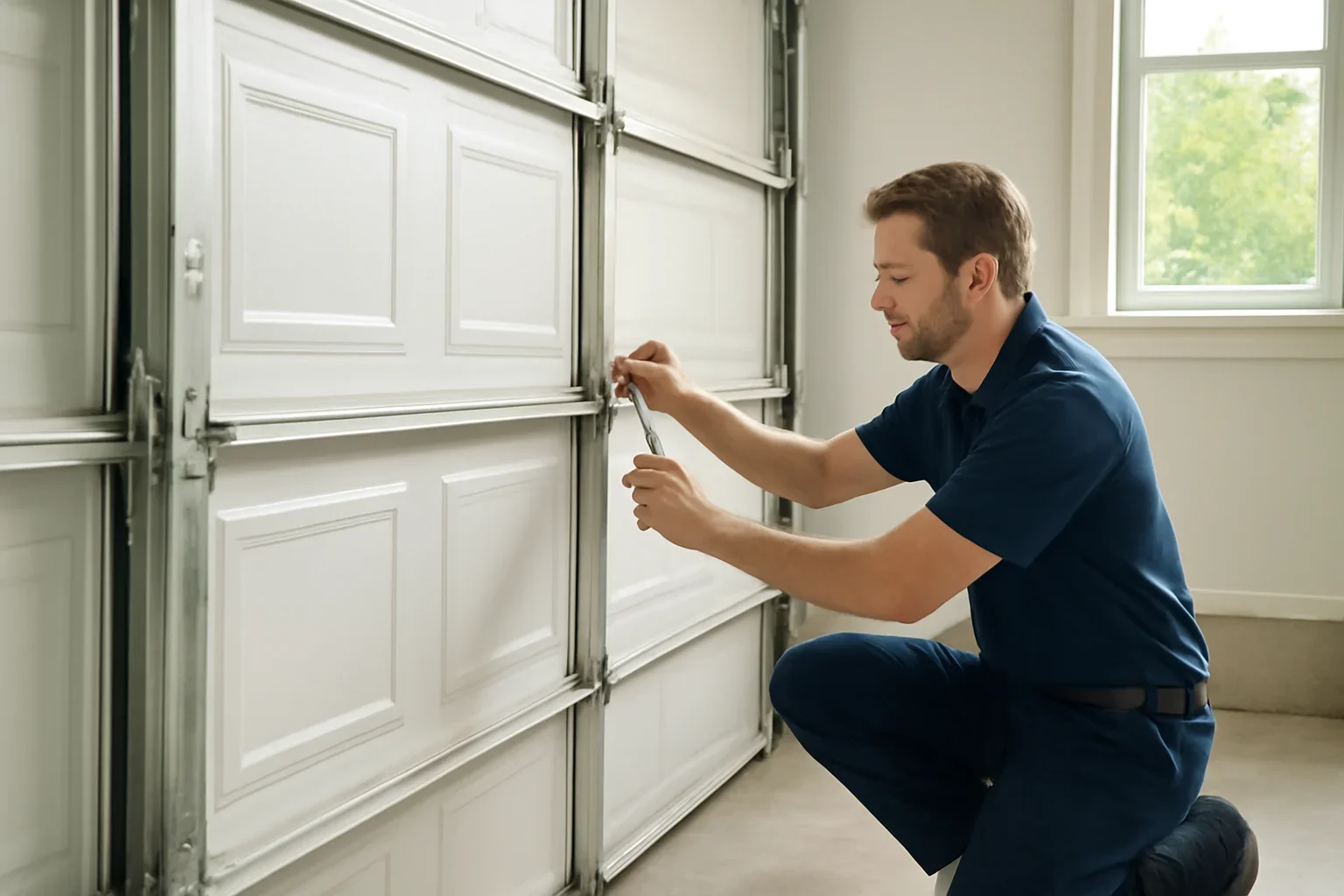
New noise, vibration, slow travel, uneven movement, loose hardware, damaged seals, and opener strain can all provide early warning that the system needs attention.
A condition review can identify worn rollers, loose fasteners, damaged cables, tired seals, sensor issues, and balance changes before they become more disruptive.
Better balance, alignment, hardware condition, and track movement can reduce avoidable load on the opener and connected parts.
A maintained system should move more consistently, create less vibration, close correctly, and respond more reliably to controls and safety devices.
When wear is found early, property owners can better understand the next step instead of waiting for a trapped vehicle or unsecured opening.
North Vancouver properties include older detached garages, attached garages, townhomes, strata parking, steep driveways, narrow lanes, and openings exposed to regular rain and wet debris. Those conditions can influence wear and service access.
Damp air and water exposure can affect fasteners, tracks, rollers, cables, brackets, bearings, and other exposed parts.
Leaves, grit, moisture, and uneven floor contact can affect track cleanliness, bottom seals, perimeter seals, and closing position.
Main-entry garages, shared parking, steep approaches, and limited workspace can affect operating cycles and maintenance planning.
When a broader condition report is needed, the garage door inspection service provides a focused review of the door and connected systems.
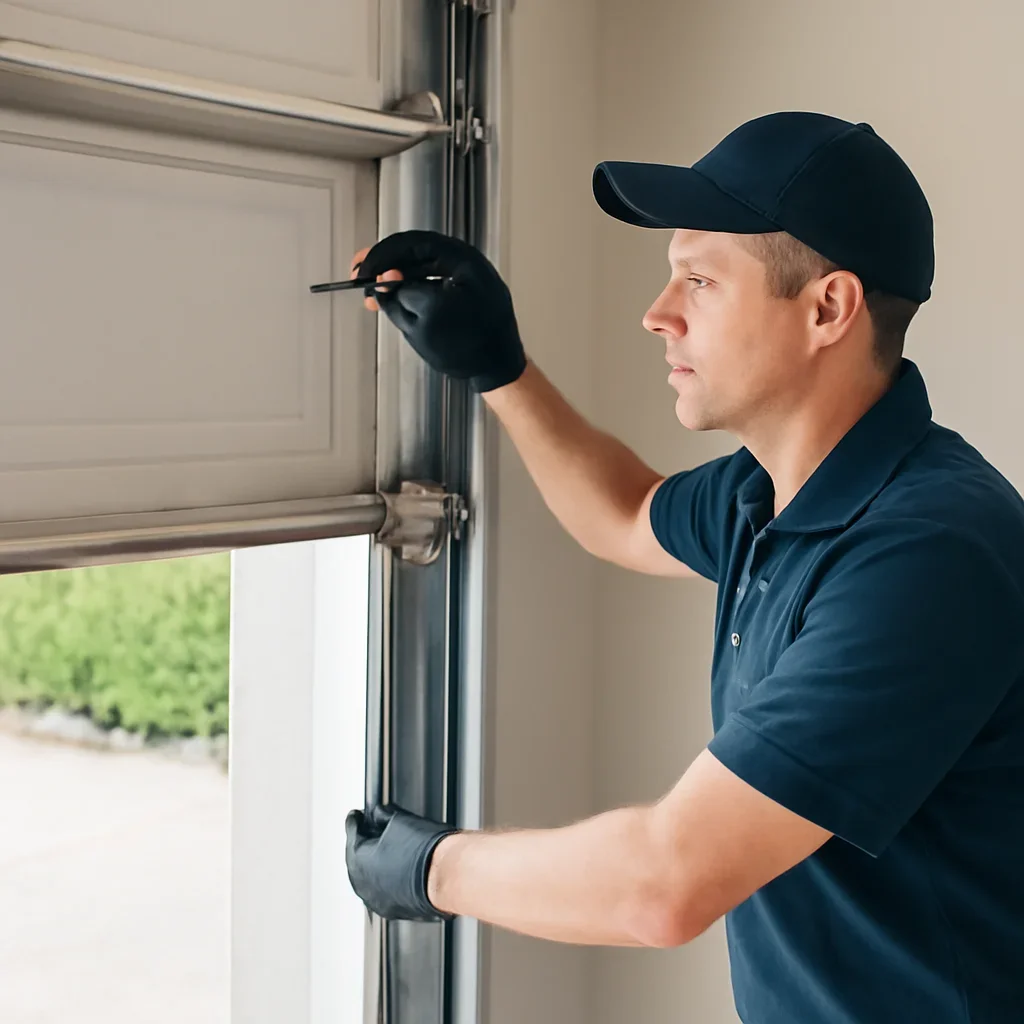
The exact work depends on the door and its condition, but the inspection should look beyond a single noisy part.
Check whether the door is level, supported evenly, drifting, dropping, binding, or placing excess load on the opener.
Review balance service →Review noise, vibration, visible wear, rough movement, loose hinges, and rollers that no longer travel smoothly.
Review roller replacement →Look for loose fasteners, track movement, impact damage, rubbing, alignment changes, and debris that affects travel.
Review track repair →Check bottom and perimeter seals for cracking, gaps, compression, water entry, drafts, debris, and uneven floor contact.
Review seal replacement →Confirm sensor alignment, wiring, brackets, indicator lights, closing behaviour, and safe reversal when the opening is blocked.
Review sensor repair →Review mounting, rail movement, motor strain, remotes, keypad, wall controls, travel, force, and general response.
Review opener service →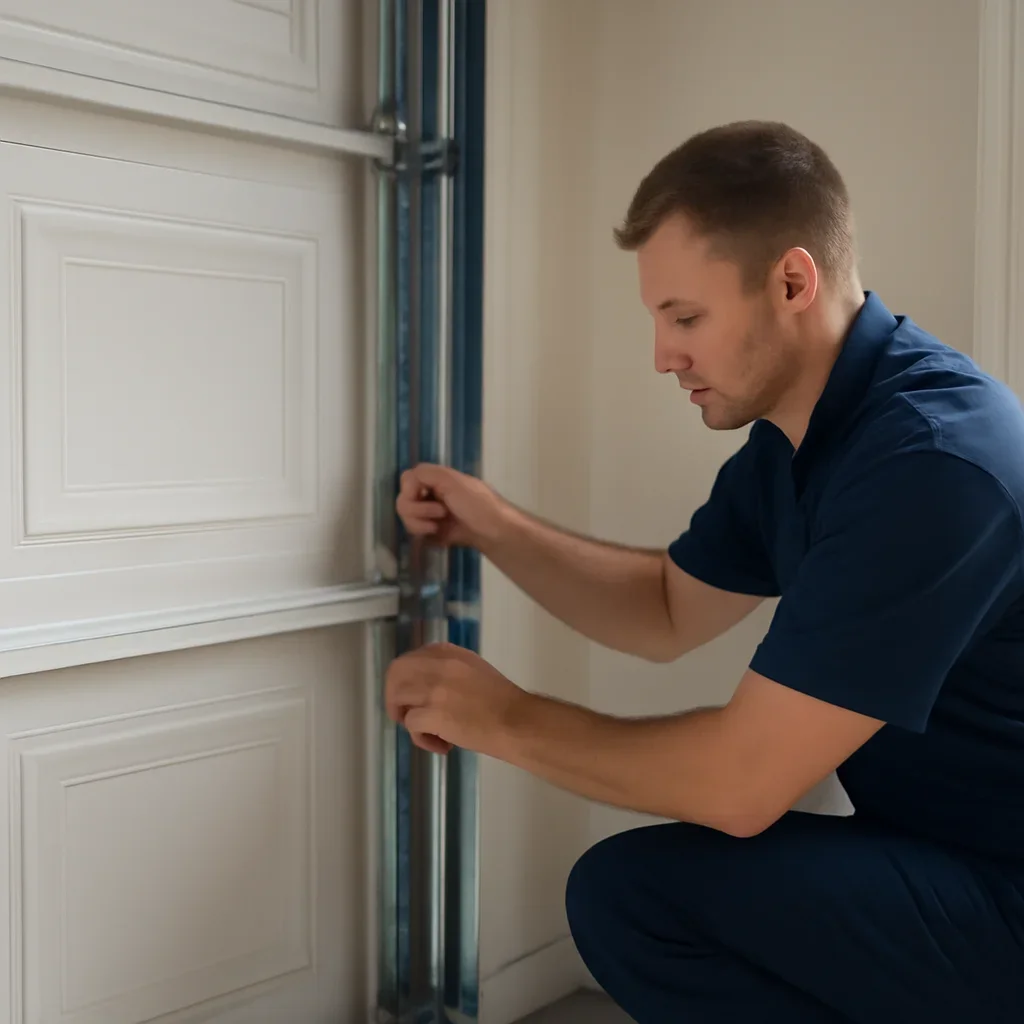
The goal is to assess the current condition, make appropriate adjustments, identify repair needs, and confirm that the door and safety systems work as expected.
Note unusual sound, vibration, speed, hesitation, uneven travel, closing position, and control response.
Review springs, cables, rollers, tracks, hinges, brackets, fasteners, balance, seals, and visible wear.
Check controls, sensors, travel, safety reversal, closing position, mounting, and signs of unnecessary strain.
A tune-up may uncover a broken spring, damaged cable, off-track door, cracked panel, failed opener component, or other condition that should be repaired before normal use continues. Severe noise, unstable movement, a crooked door, or a stuck opening should be treated as a repair concern rather than routine maintenance.
The process should explain what is working well, what is wearing, what can be adjusted, and what requires a separate repair.
Share new noises, slower movement, uneven travel, seasonal behaviour, repair history, daily use, and access concerns.
Inspect the door, lifting parts, rollers, tracks, hardware, balance, seals, opener, controls, sensors, and safety functions.
Address appropriate maintenance items and explain any worn, damaged, or unsafe parts that need repair.
Test movement, balance, controls, sensors, reversal, closing position, noise, and any recommended follow-up work.
Housing age, garage configuration, moisture exposure, driveway access, and daily use vary by area. Use the local page closest to the property.
These answers cover what should be checked, service timing, the limits of maintenance, and North Vancouver weather conditions.
A practical tune-up should review door balance, springs, cables, rollers, tracks, hinges, brackets, fasteners, seals, opener mounting, controls, sensors, safety reversal, travel, noise, and visible wear.
The right interval depends on door age, daily cycles, weather exposure, property use, noise, previous repairs, and manufacturer guidance. High-use or exposed systems may need more frequent review.
No. Maintenance cannot prevent every sudden failure, but it can identify developing wear, loose hardware, poor balance, damaged seals, noisy rollers, sensor issues, and opener strain before some problems become larger.
Coastal moisture, wet debris, attached garages, steep driveways, high daily use, older hardware, and seasonal temperature changes can affect seals, tracks, rollers, fasteners, sensors, springs, cables, and openers.
Include new noise, vibration, slow or uneven movement, seasonal changes, opener strain, damaged seals, service history, daily use, and any steep, narrow, shared, or restricted access.
