Problem and symptoms
Document the door position, movement, noise, visible damage, control response, access impact, and safety concern.

Review common garage door project categories before choosing a service. These examples focus on the starting condition, property context, likely scope, and checks that matter for replacements, repairs, opener upgrades, panel work, installations, maintenance, and commercial doors.
This page explains realistic project patterns. It does not claim specific customer names, addresses, prices, dates, timelines, or results that have not been documented.
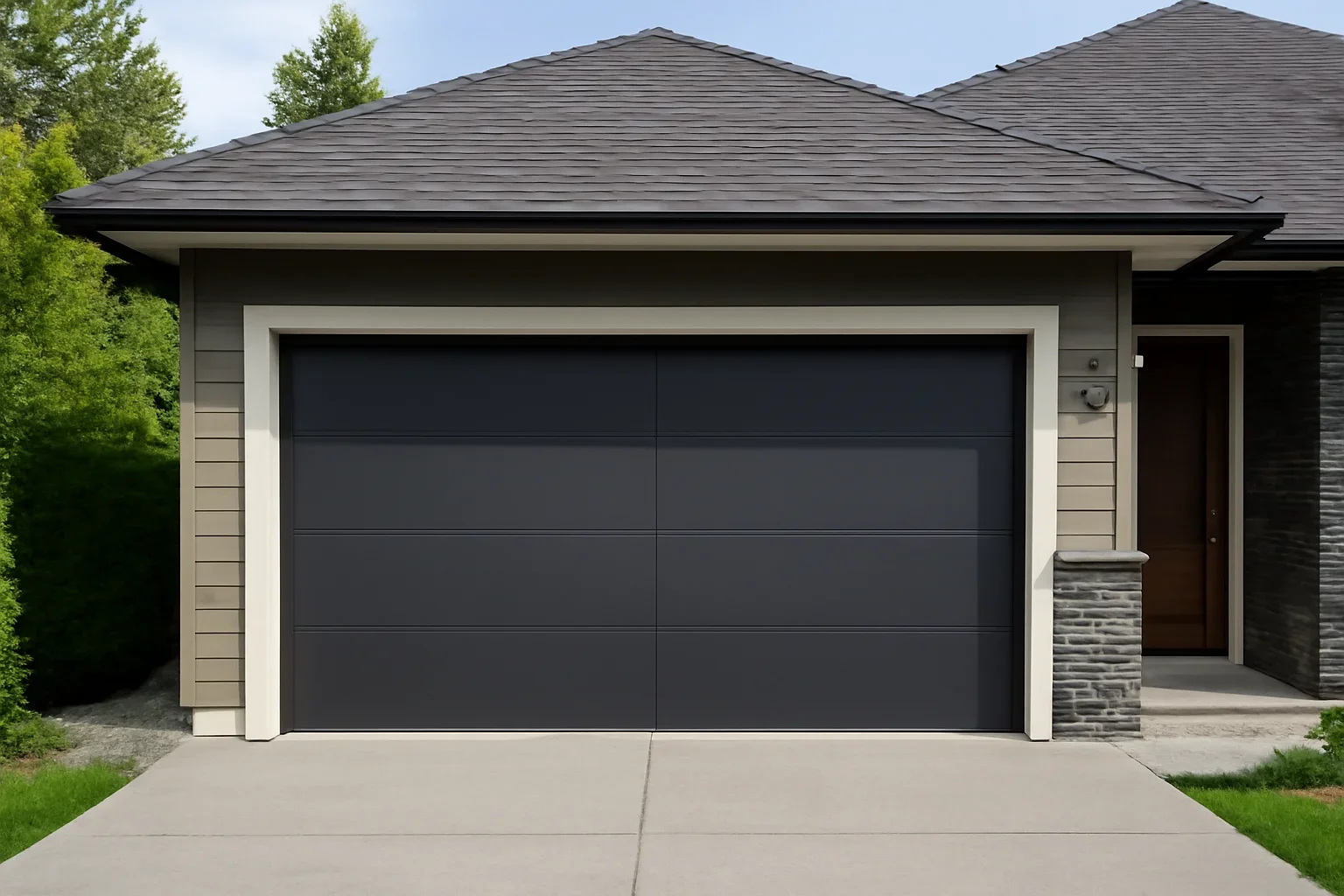
Select the project type closest to the property. Each card leads to a dedicated service page with more detail about warning signs, inspection points, and scope.
Typical starting points include damaged sections, poor sealing, corrosion, repeated repairs, dated appearance, insulation concerns, or unreliable operation.
Review replacement planning → 02Common signs include a loud snap, heavy door, visible spring gap, loose cable, crooked lifting, trapped vehicle, or opener strain.
Review spring and cable repair → 03Projects may involve an unreliable motor, noisy operation, failed remotes, keypad problems, sensors, travel settings, or smart-access goals.
Review opener service → 04A dented, cracked, bent, weather-damaged, or impact-damaged section may need isolated replacement when the rest of the system remains suitable.
Review panel replacement → 05Installation planning can include measurements, framing, track clearance, insulation, windows, hardware, opener coordination, seals, and exterior finish.
Review installation planning → 06Commercial projects may involve higher cycles, loading access, larger doors, controlled entry, security, safety checks, and business disruption.
Review commercial service →A useful example does not need to match the home, building, or garage exactly. The strongest comparison is usually the door behaviour, visible damage, access problem, age, operating demand, and desired outcome.
Was the door stuck, heavy, noisy, damaged, poorly sealed, unreliable, outdated, or failing to respond to the opener?
Consider driveway slope, lane or parkade access, attached living space, building rules, door size, daily cycles, and weather exposure.
The goal may be urgent access, safe operation, quieter movement, better sealing, improved insulation, easier controls, or a full exterior update.
Common labour, parts, compatibility, access, and installation factors are explained on the garage door pricing page.

A publishable individual case study should be based on verified project records. Useful details include the starting problem, property type, inspection findings, approved scope, parts or door system used, access restrictions, safety checks, completed work, and confirmed operating condition. Customer identity, address, photos, prices, dates, and quotes should only be included with permission and accurate records.
The value comes from showing how the problem was assessed and why the service path made sense, not from turning the project into a sales claim.
Document the door position, movement, noise, visible damage, control response, access impact, and safety concern.
Review the door, tracks, rollers, lifting parts, opener, controls, sensors, seals, balance, clearances, and related wear.
Explain the repair, adjustment, component replacement, maintenance, installation, or complete door work selected.
Confirm movement, balance, controls, safety reversal, closing position, noise, sealing, security, and remaining recommendations.
These pages help compare maintenance, residential work, local coverage, and symptom-based guidance.
These answers explain what the examples represent, how to compare a project, and what information supports a credible case study.
This page presents common garage door project categories and the decisions involved. It does not invent customer names, addresses, prices, timelines, or results.
Project themes help connect visible symptoms and desired outcomes with the closest repair, replacement, installation, opener, spring, panel, maintenance, or commercial service.
A useful case study explains the starting condition, property context, access limits, inspected components, recommended scope, work category, and the checks used to confirm safe operation.
Yes. Describe the current door position, movement, sound, visible damage, opener behaviour, property type, access conditions, and the outcome you want.
Include the current door position, movement, sound, visible damage, opener behaviour, property type, access restrictions, urgency, and whether the goal is repair, maintenance, replacement, installation, or an upgrade.