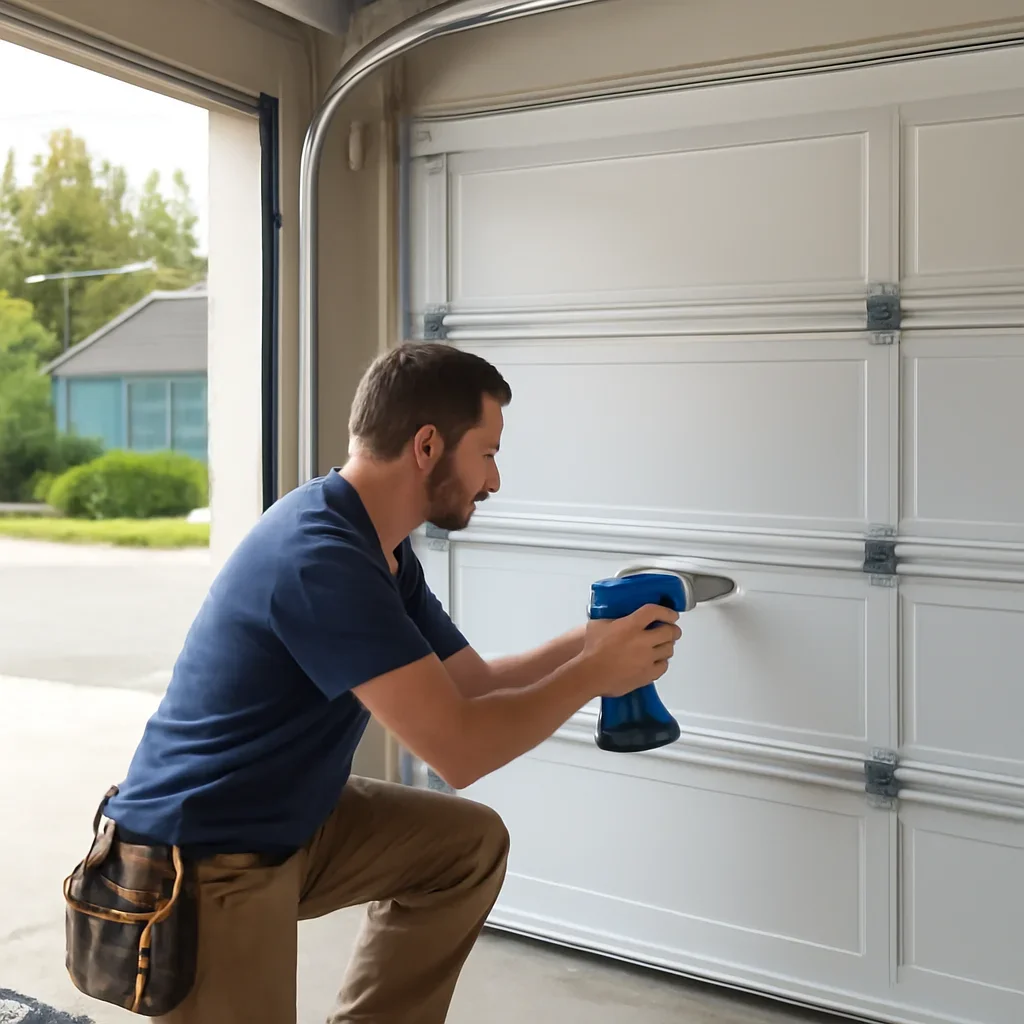
Review the Opening
Measure width, height, headroom, side room, backroom, floor level and driveway clearance.

Plan a new garage door that fits the opening, handles regular moisture exposure and suits the architecture of your home. We help property owners in Deep Cove, Cove Cliff, Dollarton, Parkgate, Roche Point, Indian River, Woodlands and nearby eastern North Vancouver neighbourhoods compare practical installation and replacement options.
The door should match the opening, available clearance, driveway conditions and daily use. Material, insulation, weather seals, tracks, springs and opener capacity should be selected as one complete system rather than as separate products.

A new garage door changes a large part of the home’s exterior, but appearance is only one part of the decision. The opening, ceiling space, driveway approach, existing hardware and way the garage is used all affect which door system is suitable.
Deep Cove and East North Vancouver include waterfront homes, hillside properties, renovated houses, townhomes and older garages that were built for smaller or lighter doors. Some properties rely on the garage for vehicles, while others also use it for bikes, kayaks, tools and outdoor equipment.
Our North Vancouver garage door team can help connect those needs to the right installation approach. You can also review our broader North Vancouver garage door installation service .
A reliable result depends on more than the visible door panels. These services cover the major decisions that affect fit, operation, weather protection and future maintenance.

Deep Cove sits between Indian Arm and the forested slopes near Mount Seymour. The wider eastern North Vancouver area includes homes connected through Deep Cove Road, Dollarton Highway and Mount Seymour Parkway, with garage openings that vary by age, elevation and property type.
Waterfront and near-water homes may place more importance on durable finishes, corrosion awareness and dependable weather seals. Hillside properties may have sloped approaches, limited manoeuvring room or garages located below the main living area.
Older garages can also have limited headroom, uneven framing or track layouts designed for a lighter door. Renovated and newer homes may prioritize insulated panels, quieter operation, modern exterior lines and coordinated window placement.
Start with how the garage is used and what problem the new door should solve. A door for a detached storage garage may have different priorities than one below a bedroom, family room or home office.
Insulation can help improve comfort and panel rigidity, but the benefit depends on the garage construction. Windows can add daylight and improve appearance, but privacy and exposure should be considered when the opening faces a street, pathway or neighbouring property.
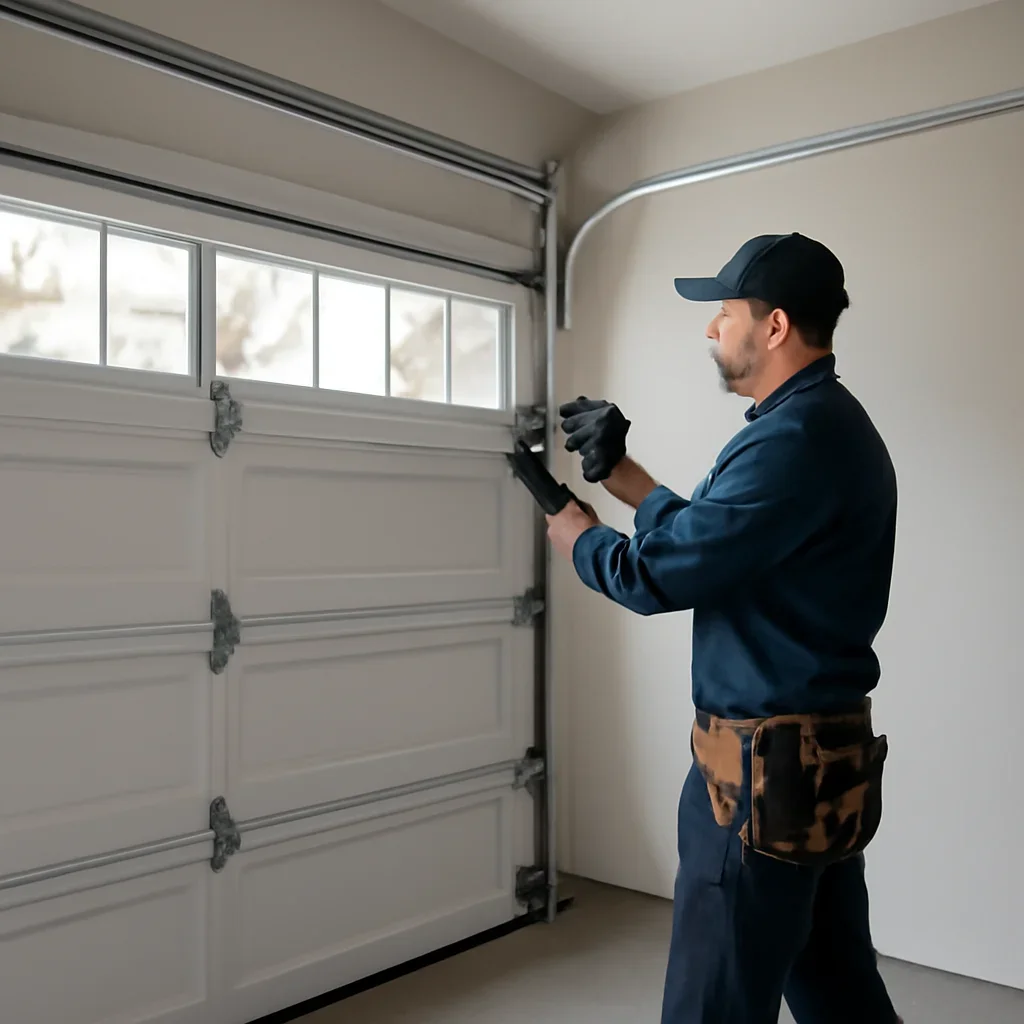
Good installation work begins before the new door is ordered. The opening, clearances and existing equipment should be reviewed so the selected system can be installed without avoidable changes or compromises.
Measure width, height, headroom, side room, backroom, floor level and driveway clearance.
Match the panels, tracks, lifting hardware, seals and opener to the property and intended use.
Set the tracks, door sections and lifting components for even, controlled and properly balanced movement.
Confirm balance, travel, closure, seal contact, opener force and safety-reversal performance.
Both projects result in a new door, but the planning and preparation can be different. Identifying the project type early helps clarify which measurements and components must be reviewed.
Existing tracks, springs and openers should not be reused automatically. They must match the size, weight and operating requirements of the new door. Review our garage door replacement guidance when an older system is being removed.
Installation pricing depends on the complete project rather than the visible panel style alone. Providing accurate property details helps narrow the estimate more efficiently.
These answers cover common decisions that arise before a door is measured, selected, ordered and installed.
Share the property location, whether the project is a new opening or replacement, the number of doors and any style, window or insulation preferences. Mention a sloped driveway, low ceiling, unusual opening size or existing opener.
Yes. The finished opening, headroom, side room, backroom and floor line affect the door size and track configuration. Measurements should be confirmed before the door is ordered.
Insulation may be useful when the garage is attached to the home, located below a living area or used as a workspace. Insulated construction can also improve panel rigidity and reduce some operating noise.
Material finish, weather seals, exposed hardware and reliable closure should be considered for regularly damp locations. The opening should also be checked for gaps and conditions that allow water or debris inside.
It may be possible when the opener is in good condition and suitable for the new door’s size and weight. Compatibility, rail condition, sensors and travel settings should be checked before reuse.
Tracks are not automatically interchangeable. Their size, radius, spacing and hardware must match the new door system. Unsuitable tracks can affect movement, balance and safety.
A slope can affect vehicle clearance, working access and how the bottom of the door meets the garage floor. The approach and finished floor line should be reviewed before the door is ordered.
The completed door should be checked for smooth travel, balance, even closure, seal contact and secure hardware. When an opener is connected, its travel, force, sensors and safety-reversal functions should also be tested.
Share your Deep Cove or East North Vancouver location, whether this is a new build or replacement, and what matters most to you. Include preferences for insulation, windows, colour, weather protection, quieter operation or opener integration.
You can also review our garage door pricing guidance before requesting an installation estimate.