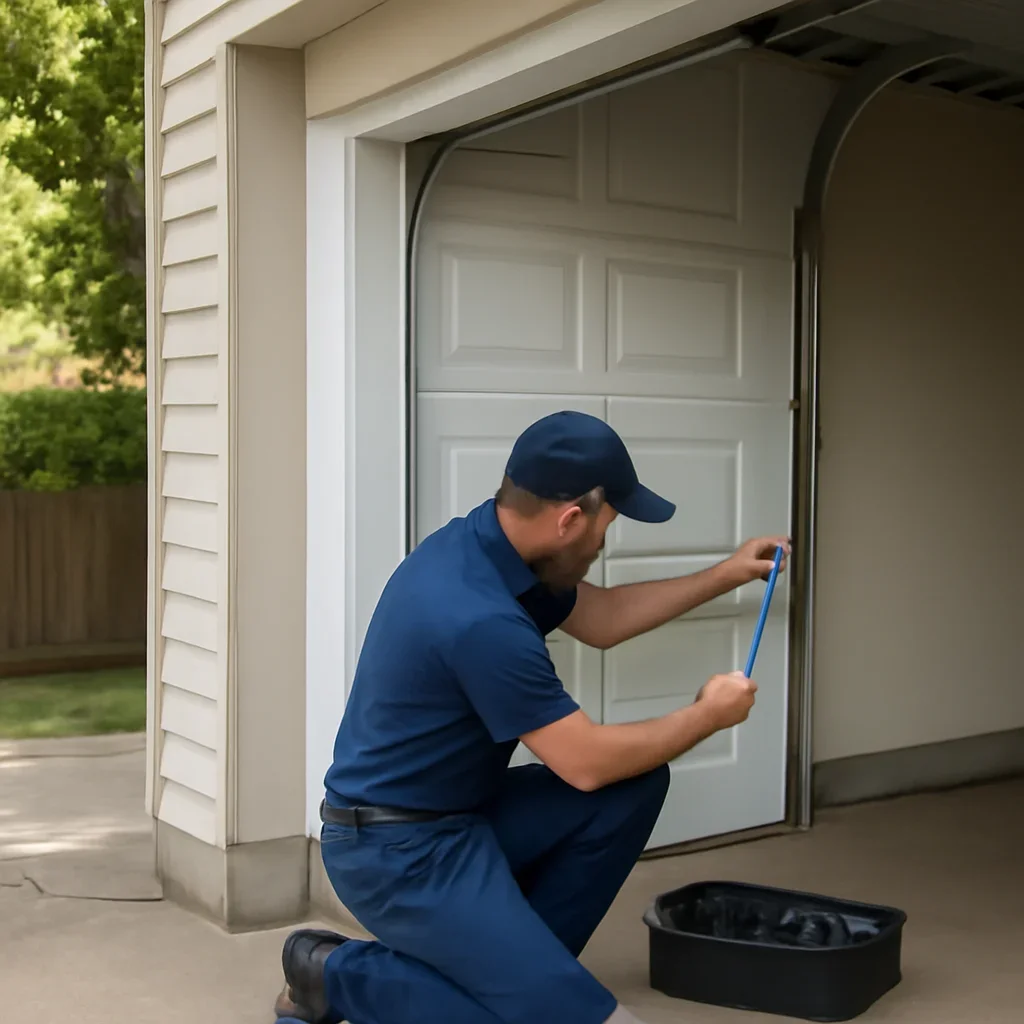
Review the symptom
New sounds, uneven travel, a heavy door, failed controls, visible damage, and the timing of the problem all provide useful clues.

When a garage door sticks, jerks, grinds, hangs unevenly, or stops moving, the repair should address the cause rather than hide the symptom. This page explains how common garage door problems are assessed for North Vancouver homes, strata properties, and commercial spaces.
Most repair calls involve worn moving parts, broken springs, damaged cables, track or roller problems, poor balance, sensor trouble, or opener faults. A useful repair starts with the complete door system, followed by testing for safe and dependable operation.
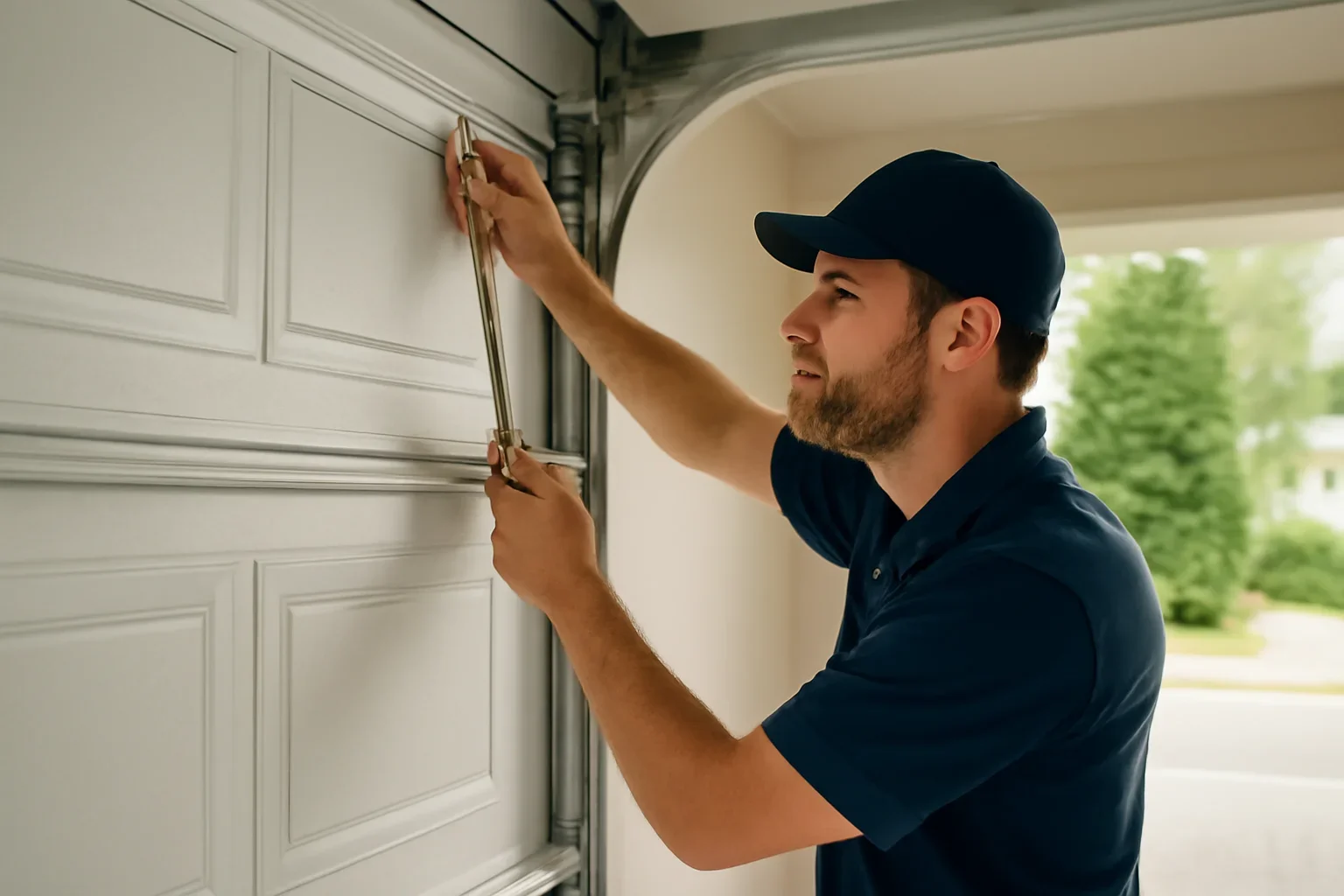
Garage door symptoms can overlap. These focused service pages help narrow down the components most likely to need inspection, adjustment, or replacement.
For doors stuck open or shut, hanging unevenly, off track, or creating an immediate security concern.
Review emergency repair →For heavy doors, visible spring gaps, loose cables, uneven lifting, or a loud snap followed by lost movement.
View spring and cable service →For failed remotes, inconsistent opener movement, keypad trouble, motor strain, or controls that stop responding.
Explore opener repairs →For rollers outside the track, bent track sections, impact damage, or a door that rises unevenly.
See off-track repair →For squeaking, rattling, rough travel, visible roller wear, or movement that no longer feels smooth.
Review roller replacement →For bent, loose, obstructed, or misaligned tracks that affect how safely the door travels.
View track repair →Coastal moisture, heavy rain, wet debris, steep driveways, shared garages, older detached homes, and high-use commercial doors can all influence how a system wears. A useful recommendation considers the door, opener, hardware, access, and property setting together.
Rust, swollen seals, dirty tracks, and worn rollers can become more noticeable during wet conditions.
Steep, narrow, or shared driveways can affect technician access and safe workspace around the door.
A frequently operated strata, parkade, or commercial door may need different repair and maintenance planning than a lightly used home garage.
Preventive checks can catch developing wear before it becomes an access problem. See the garage door maintenance and tune-up service for routine system care.
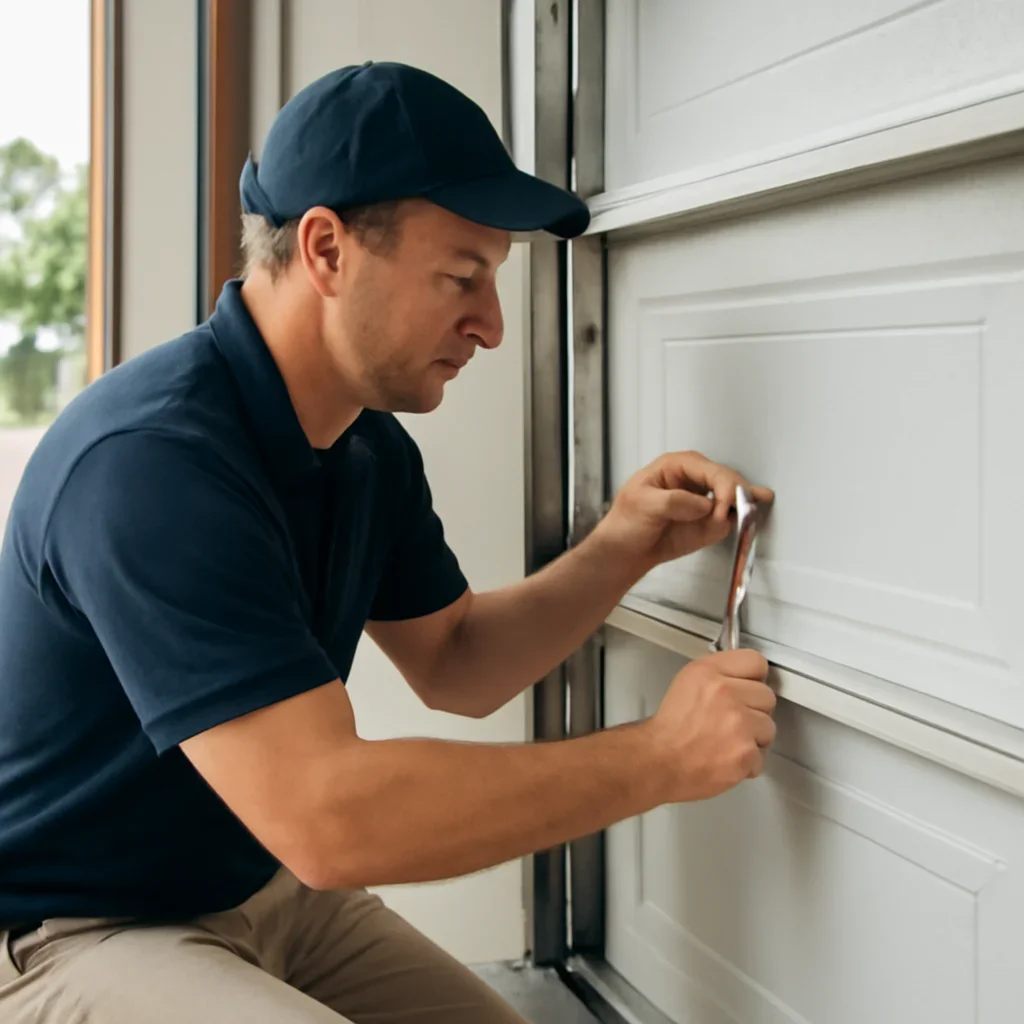
The goal is to identify the actual failure, explain the options, and confirm that the complete system operates safely after the work.
New sounds, uneven travel, a heavy door, failed controls, visible damage, and the timing of the problem all provide useful clues.
Springs, cables, rollers, tracks, hinges, balance, sensors, seals, and the opener should be considered together.
The recommendation may involve adjustment, lubrication, hardware replacement, opener work, track repair, or a wider replacement discussion.
Door movement, balance, controls, safety reversal, and closing behaviour should be checked before the repair is considered complete.
These related pages help with planning, property-specific needs, and questions that may come up before requesting repair.
These answers help you understand when a problem may be urgent and what information is useful before arranging service.
Common repairs include broken springs, damaged cables, worn rollers, bent or misaligned tracks, opener faults, sensor problems, loose hardware, and door balance issues. Several components can contribute to the same symptom, which is why a complete inspection matters.
A sudden change in sound or movement can indicate worn or loose parts, poor balance, track resistance, or opener strain. Stop using the door if it is uneven, unusually heavy, off track, or showing a loose cable or broken spring.
Coastal moisture, wet debris, sloped driveways, older hardware, shared access, and frequent use can affect seals, rollers, tracks, cables, springs, and opener performance. The property setting helps determine what should be inspected and how service access should be planned.
Urgent service may be appropriate when a door is stuck open, trapped closed with a vehicle inside, off track, hanging unevenly, affected by a broken spring or cable, or creating a security or safety risk.
Share the property type, neighbourhood, main symptom, visible damage, unusual sounds, and whether the door is stuck open or closed. Clear details help narrow down the safest repair path.