
Practical garage door answers for North Vancouver properties
A garage door that sticks, reverses, rattles, or stops moving can quickly affect security and daily access. Use these local answers to understand what may be happening, what is safe to check, and when to arrange professional service.
Keep clear of moving parts and use the emergency repair information for urgent access or security problems.
Review urgent repair guidanceFind the issue that best matches your garage door
These common symptoms lead to more focused information about likely causes and suitable next steps.
Garage door will not open
Look at possible opener, spring, cable, power, and locking issues without forcing the door.
Check likely causes → 02Garage door will not close
Learn how sensor alignment, track resistance, settings, and obstructions can interrupt closing.
Review closing problems → 03Garage door is suddenly noisy
Identify common sources of grinding, squeaking, rattling, popping, or strained opener sounds.
Understand the noise → 04Door looks crooked or off track
Uneven movement can involve tracks, rollers, cables, impact damage, or balance problems.
See off-track guidance → 05Garage door opener is not working
Separate remote, sensor, power, motor, travel-limit, and door-balance problems.
Troubleshoot the opener → 06Spring appears broken
A loud snap, visible spring gap, or unusually heavy door can indicate a failed spring.
Read spring safety advice →Safety and urgent problems
What should I do if my garage door will not open?
Check whether the opener has power, the door is locked, or the remote battery is dead. If the door feels unusually heavy, hangs unevenly, or you notice a loose cable or spring gap, stop operating it. Forcing the door can increase damage. The visible symptoms and the way the door moves can help narrow down whether the fault is electrical or mechanical.
Is it safe to use a garage door with a broken spring?
No. A broken spring removes much of the lifting support and can place extra strain on the opener, cables, and remaining hardware. Keep people and vehicles clear, avoid repeated opener use, and arrange broken spring repair in North Vancouver .
What does a snapped or loose garage door cable look like?
The door may sit crooked, one side may lift before the other, or a cable may be hanging near the track. Because cables work under tension and help control the door's weight, do not try to rewind or reattach them. Review the snapped cable warning signs before requesting service.
Should I move a garage door that has come off its track?
No. Continued movement may bend the tracks, damage rollers, pull cables, or allow the door to drop unevenly. Keep the area clear and arrange off-track garage door repair .
Openers, remotes, and sensors
Why does my garage door start closing and then reverse?
The safety sensors may be blocked, dirty, misaligned, or affected by wiring trouble. The door may also be meeting resistance in the tracks. You can clean the sensor lenses and remove obvious obstructions, but do not bypass the safety system. See the sensor troubleshooting guide for more detail.
Why does the wall button work when the remote does not?
The remote battery may be weak, the remote may have lost programming, or signal interference may be involved. If several controls fail at once, the receiver or opener may need attention. The remote and keypad programming service covers setup and control problems.
How do I know whether the opener or the door itself is the problem?
An opener can struggle when the door is poorly balanced, binding in the tracks, or carrying worn hardware. Disconnecting and manually testing a door is not appropriate when a spring or cable may be damaged. A professional inspection can separate opener trouble from a mechanical door problem. Explore garage door opener and remote repair .
When is a new garage door opener worth considering?
Replacement may make sense when the opener is unreliable, lacks current safety features, is poorly matched to the door, or needs repeated repairs. A new unit may also improve access controls and operating noise. Compare suitable options through garage door opener installation .
Maintenance and North Vancouver conditions
How often should a garage door be serviced in North Vancouver?
An annual inspection and tune-up is a practical baseline for many homes and businesses. Doors with heavy daily use, older hardware, shared access, or regular exposure to moisture may benefit from more frequent checks. A garage door maintenance visit can cover balance, fasteners, rollers, tracks, safety reversal, weather seals, and opener operation.
Why is my garage door louder during wet weather?
Moisture can expose worn rollers, dry hinges, loose hardware, track contamination, or weather seals that drag against the door. A sudden change in sound is worth checking before it becomes uneven movement or a larger failure. Worn rollers are one possible source, and garage door roller replacement may be recommended after inspection.
Can rain and damp conditions damage the bottom seal?
Yes. Repeated moisture, debris, age, and contact with an uneven garage floor can harden, split, or distort the seal. A worn seal may allow water, drafts, dirt, and pests into the garage. Learn about weather seal replacement when the bottom edge no longer sits evenly.
Can garage door service be completed on a steep or narrow driveway?
Often, yes, but safe vehicle access and workspace matter. North Vancouver properties can have steep, narrow, shared, or restricted driveways. Mention access limits, underground parking, gate codes, or visitor parking rules when requesting service so the visit can be planned properly.
Why does my garage door freeze or stick near the floor?
Water around the threshold can freeze during colder periods, while wet debris or a damaged bottom seal can make the door stick even when temperatures are above freezing. Do not keep cycling the opener against a stuck door. Review the frozen garage door guidance before trying to move it.
Repair, replacement, and service decisions
Can one damaged garage door panel be replaced?
Sometimes. It depends on the manufacturer, model, panel availability, colour match, door age, and whether the impact has affected the tracks or frame. A panel replacement assessment can compare a single-section repair with full door replacement.
When should I repair a garage door instead of replacing it?
Repair often makes sense when the door is structurally sound and the problem is limited to replaceable components such as springs, rollers, cables, sensors, seals, or opener parts. A garage door inspection can identify the actual failure before a repair or replacement decision is made.
When does full garage door replacement make more sense?
Replacement may be more practical when damage is widespread, panels are no longer available, the door is repeatedly failing, insulation is poor, corrosion is extensive, or the appearance no longer suits the property. Explore garage door replacement options for a longer-term comparison.
What information helps when requesting a garage door quote?
Share the property area, whether the door is residential or commercial, the main symptom, the approximate door size, opener details, visible damage, access limitations, and whether a vehicle is trapped. Photos can help explain the issue, but an on-site inspection may still be needed before confirming the work.
Do you handle both residential and commercial garage doors?
The site includes dedicated information for residential garage door repair and commercial garage door repair . Door size, hardware, usage, access, and safety requirements can differ, so include the property type when contacting the team.
Garage door needs vary across North Vancouver
Wet coastal conditions, older hardware, newer infill homes, shared access, compact lots, underground parking, and sloped driveways can all change how a garage door problem should be approached.
North Vancouver Garage Doors organizes service information by neighbourhood so property owners can find repair, installation, opener, spring, and maintenance content that matches their area.
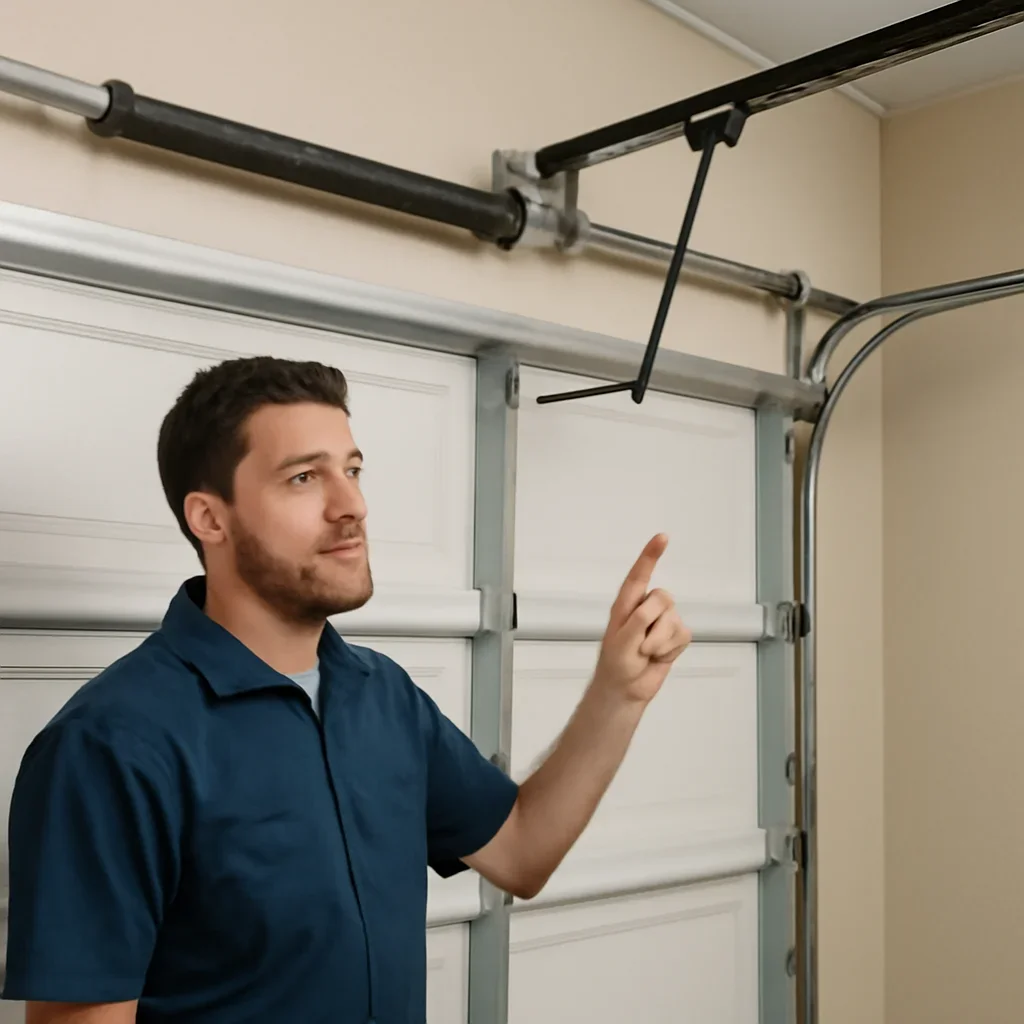
Still unsure what is wrong with your garage door?
Describe the symptom, when it started, and whether the door is stuck, uneven, unusually heavy, or making a new sound. Clear details help identify the safest next step.