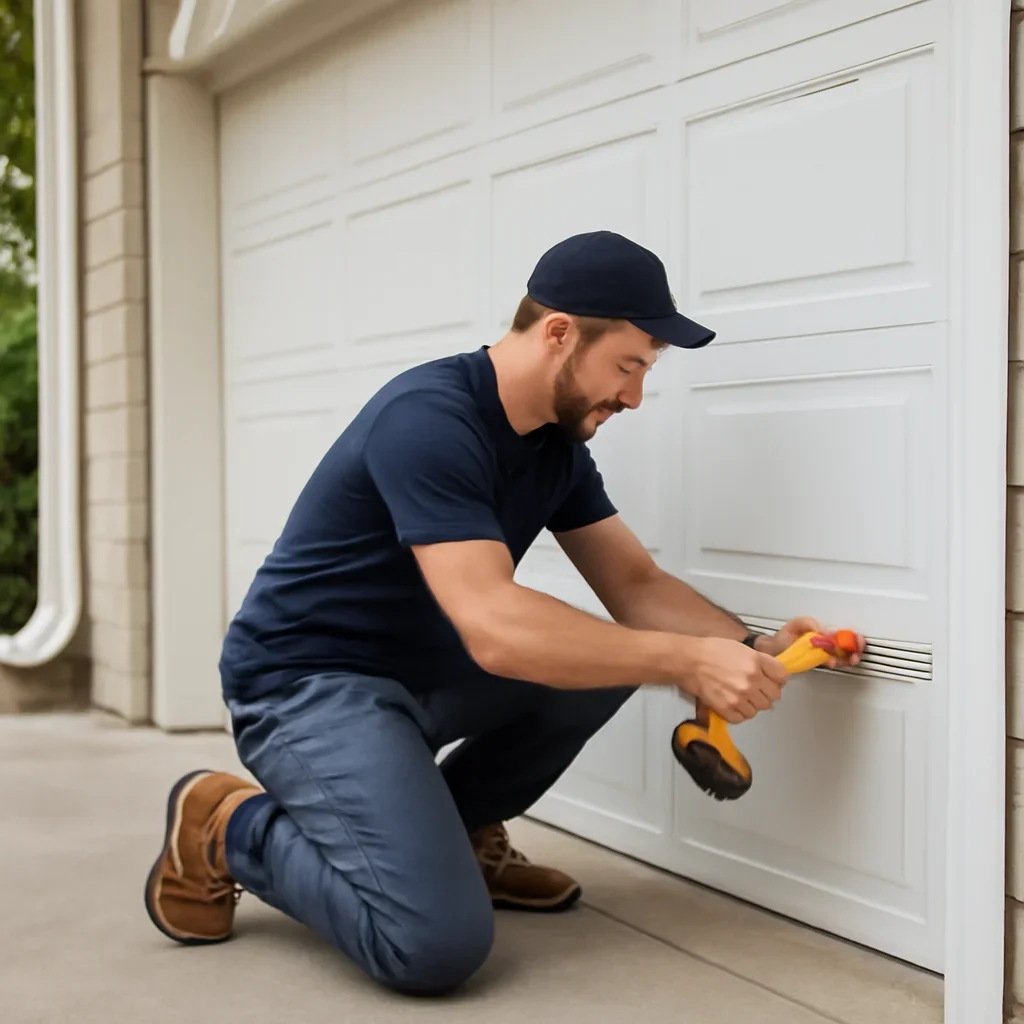
Norgate Detached Homes
Check original openings, mixed-age hardware, lower ceiling space, attached storage and doors upgraded during home renovations.

Get clear help when your garage door is stuck, uneven, noisy, damaged or no longer responding. We repair garage doors for Norgate homes, renovated properties, townhomes, strata buildings and commercial sites around Marine Drive, Welch Street, Mackay Road, Pemberton Avenue and nearby southwest North Vancouver.
Stop using the door if it is crooked, unusually heavy, off its tracks or affected by visible spring or cable damage. Tell us whether it is open, closed, trapping a vehicle or leaving the garage unsecured.
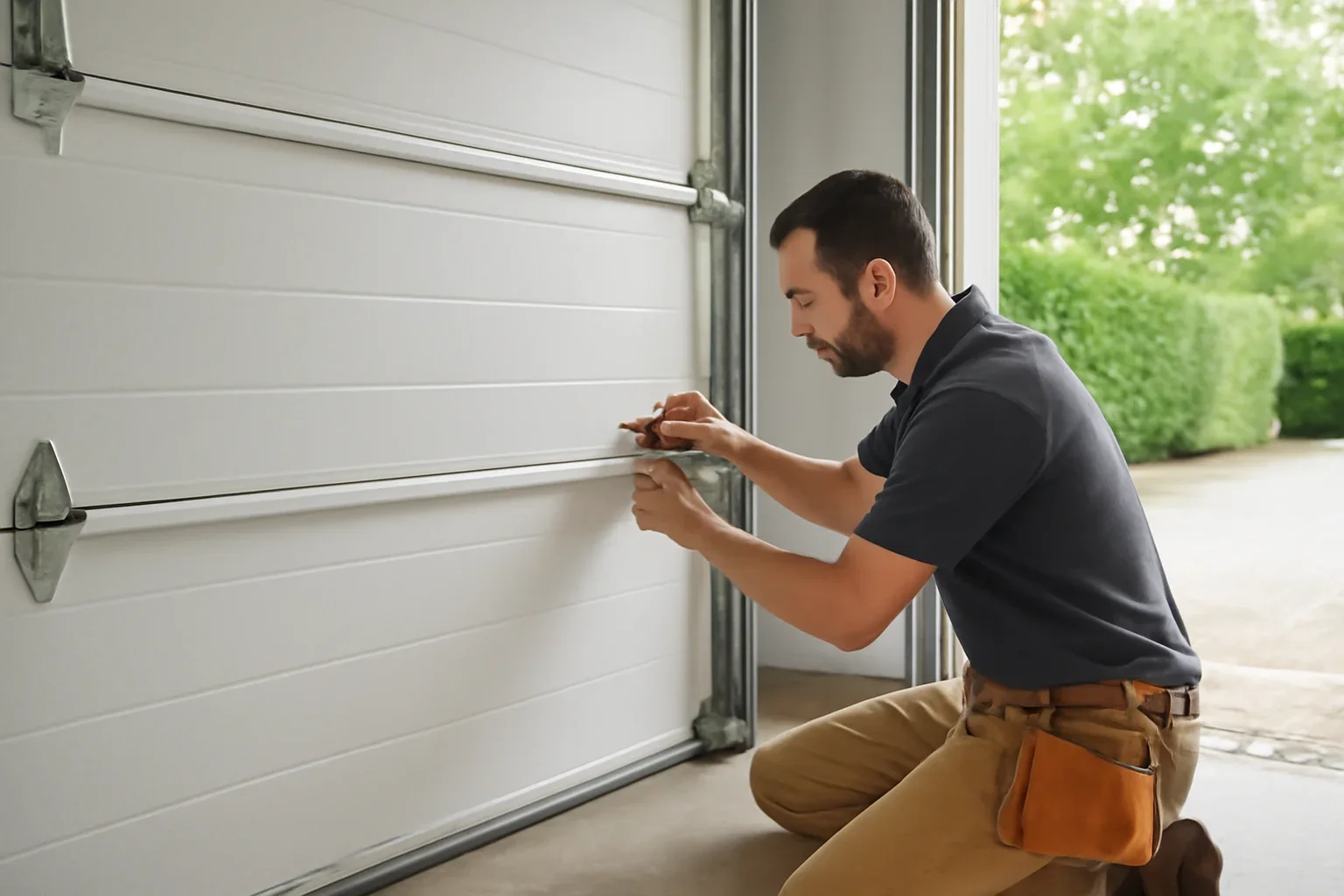
Choose the closest match below. Each card leads to focused information about the likely parts, warning signs and suitable repair path.
A broken spring or lifting problem may prevent the opener from raising the door, even when the motor still runs.
Review broken spring repair 02Frayed, tangled or displaced cables can leave the door crooked and increase the risk of track or roller damage.
Review cable repair 03The cause may involve a control, sensor, motor, rail, receiver or resistance within the physical door.
Review opener repair 04Stop operating a door that has shifted from its tracks or hangs unevenly after impact, cable failure or roller damage.
Review off-track repair 05Bent tracks, worn rollers, loose hardware or poor alignment can cause rough and unreliable movement.
Review track repair 06Vehicle contact, moisture and long-term wear can affect appearance, door alignment and safe operation.
Review panel replacement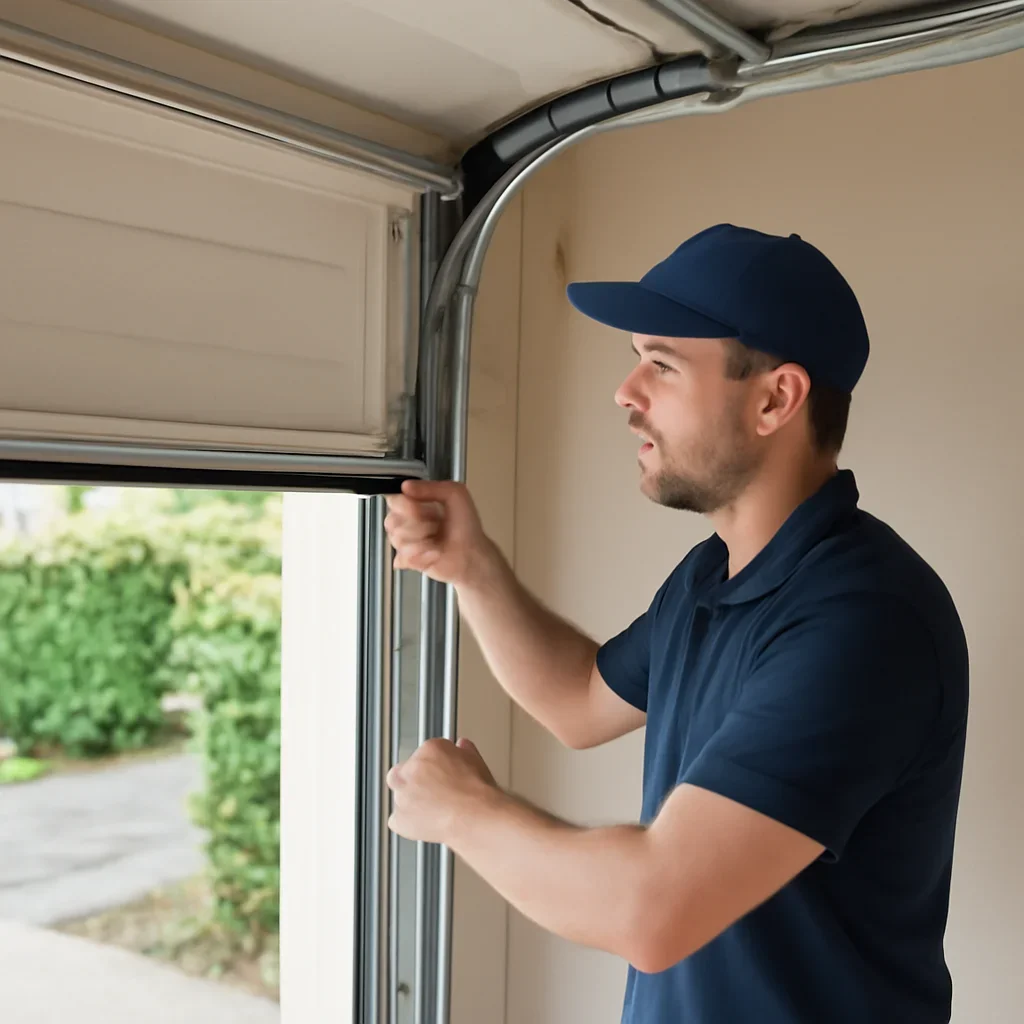
Norgate includes many lower-profile and single-level homes, along with renovated properties and newer housing close to Marine Drive. Garage openings may have older framing, compact ceiling space, original tracks or replacement openers added during later upgrades.
The wider southwest area includes townhomes, condos, workshops, service businesses and mixed-use properties around Marine Drive, Welch Street, Mackay Road and Pemberton Avenue. Access and repair planning can change when a garage sits beside shared parking or an active business area.
Regular North Shore rain makes seals, exposed hardware, electrical connections and floor-level moisture worth checking. Leaves, grit and road debris can also affect sensors, tracks and the way a door meets the floor.
Stop operating the system when the door is crooked, unusually heavy, off its tracks or affected by visible spring or cable damage. Repeated opener use can turn one failed part into wider damage.
The problem is more urgent when a vehicle is trapped, a business entrance is blocked or the garage cannot be secured overnight.
The failed part may be similar, but access, equipment age and the number of people relying on the door can change the repair plan.
Check original openings, mixed-age hardware, lower ceiling space, attached storage and doors upgraded during home renovations.
Consider nearby homes, shared parking, strata communication and doors that affect more than one resident or vehicle.
Restore access needed for staff, vehicles, deliveries, tools, inventory and regular business activity near the Marine Drive corridor.
A door that will not open may have an opener problem, but it may also have a broken spring, damaged cable, worn roller or track obstruction. A door that reverses may have a sensor issue, poor floor contact or resistance during travel.
The door, lifting system and opener should be checked together. This helps avoid replacing a motor when the physical door is too heavy or difficult to move.
Our North Vancouver garage door repair service explains the wider repair approach. The homepage connects all local repair, installation and maintenance options.
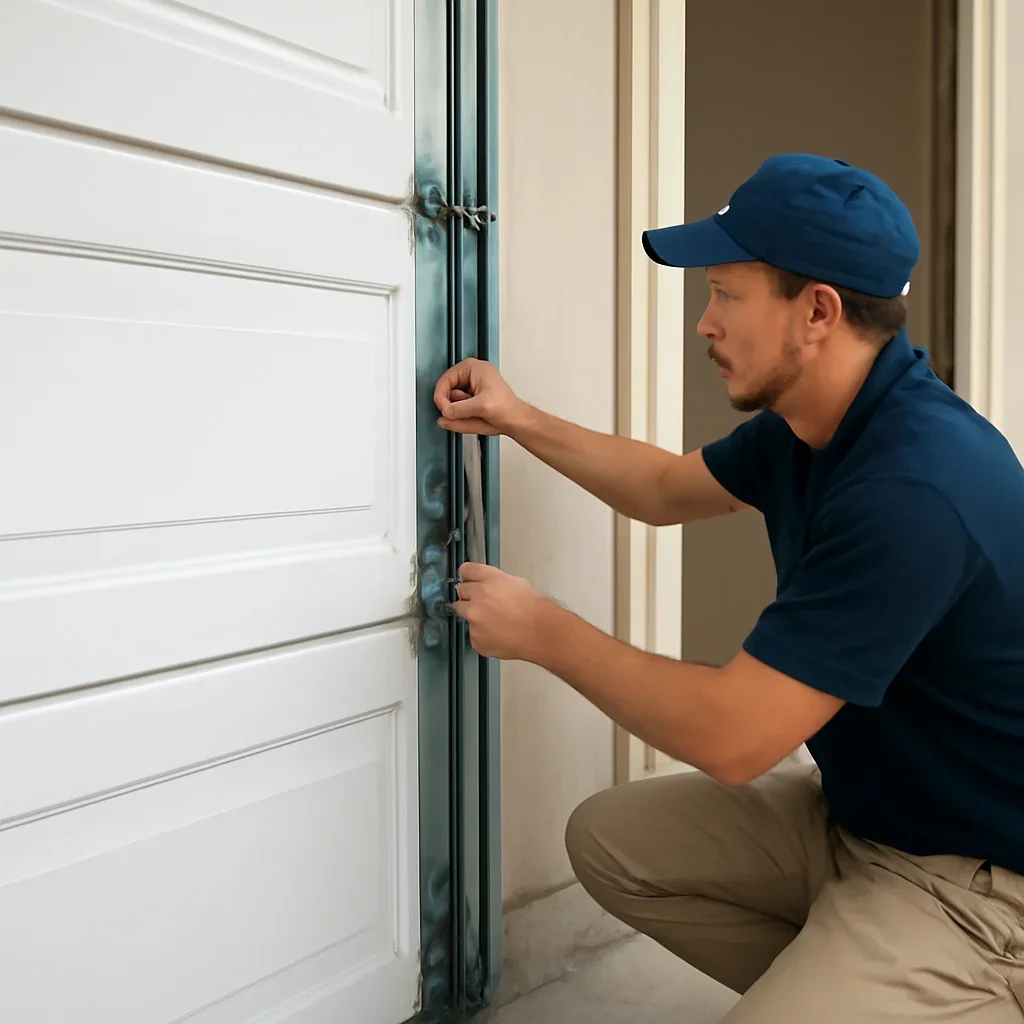
The goal is to identify the cause, explain the required work and confirm that the complete system operates correctly before the garage returns to daily use.
Explain what changed, what sounds you hear and whether access or security is affected.
Review springs, cables, rollers, tracks, panels, balance, seals, sensors and opener operation.
Separate the main cause from wear or damage that developed elsewhere in the system.
Understand the recommended work and why each item is or is not needed.
Restore the affected parts using components suited to the existing door and opener.
Confirm balance, travel, closure, sensor response and relevant opener safety functions.
One failed component does not always mean the whole door needs replacement. The decision should consider the structure, repair history, available parts and expected future use.
A useful recommendation should explain what failed, the condition of the remaining system and why repair or replacement is being suggested. A balance and alignment assessment may also help when the door is heavy or moving unevenly.
Pricing depends on the failed component, related damage, replacement-part compatibility and the position of the door when service begins.
These answers cover common repair symptoms, local property conditions and the safest next step when a garage door fails.
Check whether the opener has power and whether the manual lock is engaged. Stop operating the system if the door is crooked, unusually heavy or affected by visible spring, cable or track damage.
A broken spring, damaged cable, poor balance or track resistance may prevent the opener from lifting the door. The opener itself may also have a drive or motor problem.
Uneven movement may involve a cable, spring, drum, roller or track problem. Stop operating a visibly crooked door because movement can make the damage worse.
The safety sensors may be dirty, blocked or out of alignment. Floor contact, travel settings, poor balance or track resistance can also make the opener reverse.
Regular moisture can contribute to corrosion, deteriorated seals, stiff moving parts and unreliable electrical connections, especially on older systems.
It may be repairable when the main structure remains sound and compatible parts are available. Widespread damage or repeated failures may make replacement more practical.
A worn or uneven seal can allow water, dirt, leaves and drafts into the garage. Poor floor contact can also affect how the door closes.
The repair method may be similar, but operating cycles, shared access, parking flow and business activity can change how service is scheduled and completed.
Describe what the door is doing, whether it is open or closed, when the problem began and whether you see damaged parts. Mention if a vehicle or entrance is blocked.
Share your Norgate or South West North Vancouver location and describe whether the door is stuck, noisy, uneven, damaged or no longer responding. Mention whether it is open, closed, trapping a vehicle or leaving the property unsecured.
You do not need to identify the failed component. A clear description of the door’s position, sound and movement is enough to begin.