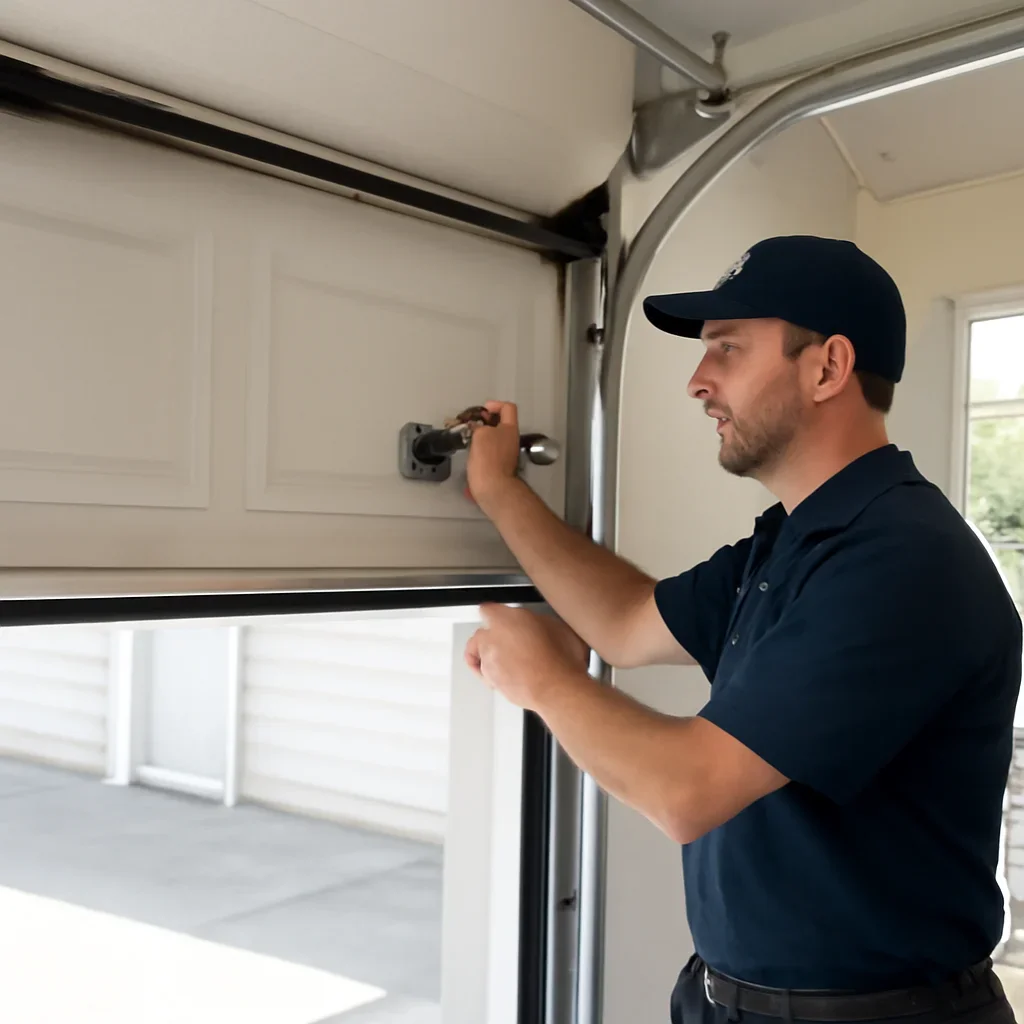
Norgate Detached Homes
- Check mixed-age doors and opener equipment
- Review noise near bedrooms and living areas
- Inspect seals around private driveways
- Look for debris from mature landscaping
- Confirm dependable daily vehicle access

Keep your garage door reliable before new noise, rough movement or worn hardware turns into a breakdown. We provide preventative maintenance guidance for established Norgate homes, renovated garages, townhome complexes, strata properties and businesses around Marine Drive, Welch Street, MacKay Road and Pemberton Avenue.
A useful tune-up checks the complete moving system, not only lubrication. It should review balance, rollers, tracks, hardware, visible lifting parts, seals, opener operation and safety functions.
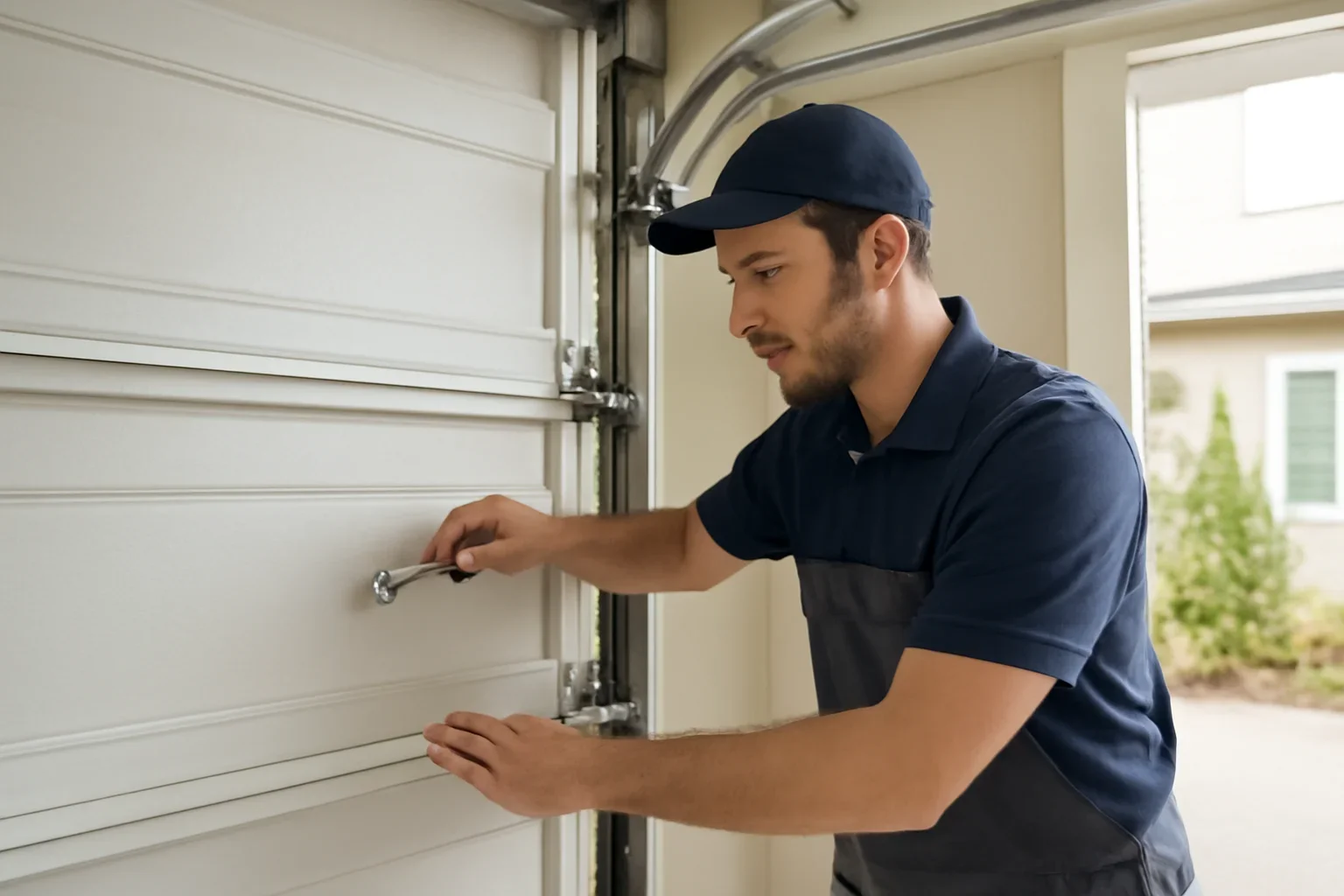
Many Norgate garages are used for vehicles, bicycles, tools, household storage and access into the home. A door may keep working while rollers wear, fasteners loosen, seals develop gaps or balance slowly changes.
In townhome, strata and commercial properties near Marine Drive, a minor movement problem can affect shared parking, residents, staff or deliveries if it develops into a breakdown.
Our North Vancouver Garage Doors homepage connects repair, installation and maintenance services across the City and District.
The physical door, lifting system and opener must work together. These six areas cover the main wear points affecting movement, sound, closure, weather protection and safety.
Review springs, cables, brackets, fasteners and visible lifting parts for looseness, damage, corrosion or developing wear.
Review inspection service 02Check whether the door rises evenly and whether the opener is carrying more weight or resistance than it should.
Review balance service 03Look for worn rollers, stiff hinges, track resistance, rubbing and movement that causes shaking or excess noise.
Review roller service 04Check bottom and perimeter seals for gaps that allow rain, damp air, leaves, drafts or road grit into the garage.
Review weather-seal service 05Test travel and listen for strain while confirming that the opener works with the actual weight and movement of the door.
Review opener service 06Check sensor position, lenses, wiring and response when the door refuses to close or reverses without a clear obstruction.
Review sensor service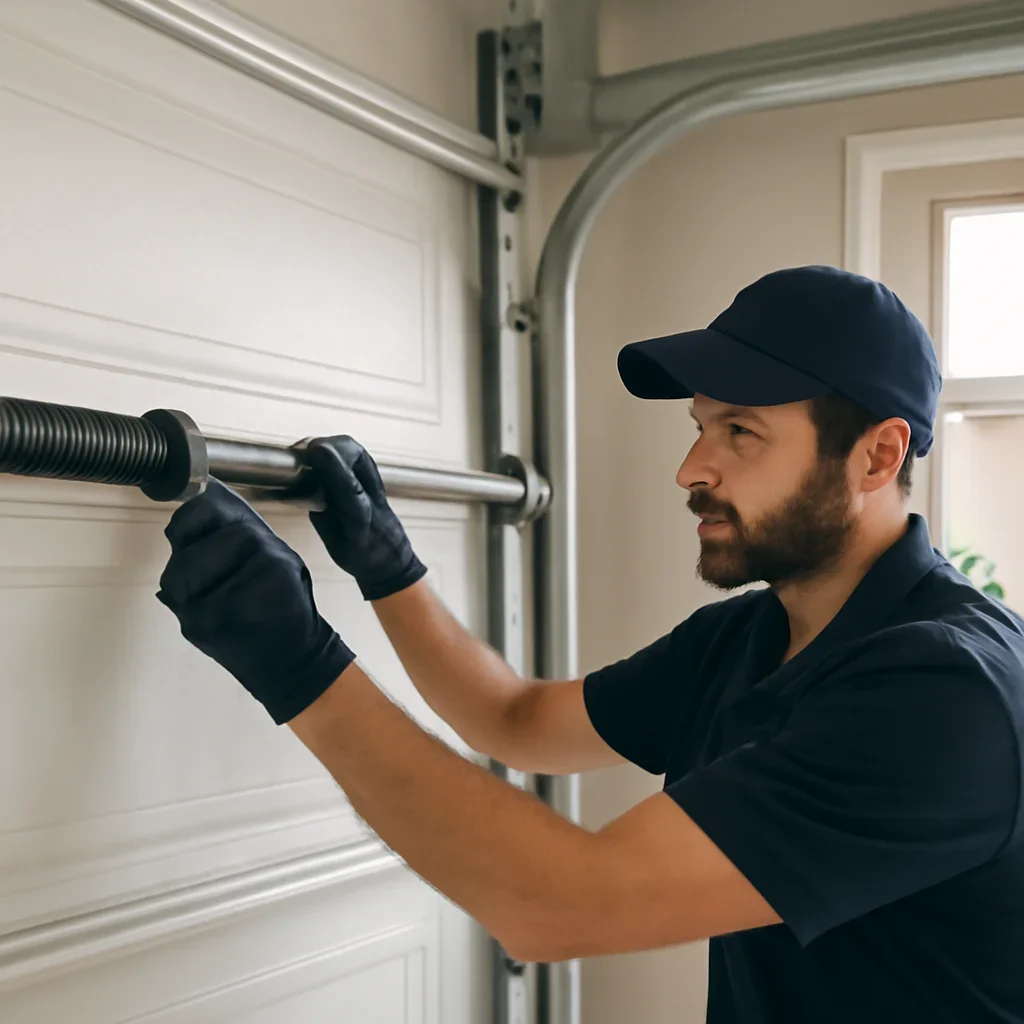
Norgate is an established residential area south of Marine Drive with many single-family homes and townhome complexes. Garage systems may include original openings, later renovations and newer opener equipment fitted to older doors or tracks.
The wider southwest area includes strata buildings, apartments, workshops, service businesses and mixed-use properties around Marine Drive, Welch Street, MacKay Road and Pemberton Avenue.
Frequent rain makes seals, sensor wiring, electrical connections and surface corrosion worth checking. Leaves, grit and damp debris near ground-level openings can also interfere with sensors, tracks and even closure.
A yearly condition check is a practical baseline for many residential garage doors. Older equipment, shared access, frequent daily use or visible changes may justify closer attention.
Maintenance is most useful while the system still operates and the goal is to identify developing wear. A stuck, crooked, unusually heavy or visibly damaged door needs focused repair.
The same components need attention, but equipment age, daily use, access and the number of people relying on the garage can change the service focus.
Maintenance helps prevent avoidable failures. It is not a substitute for repairing a garage door that is already unsafe, damaged or unable to move correctly.
Stop operating a visibly damaged or uneven door. Review garage door repair in Norgate and South West North Vancouver when a component has already failed.
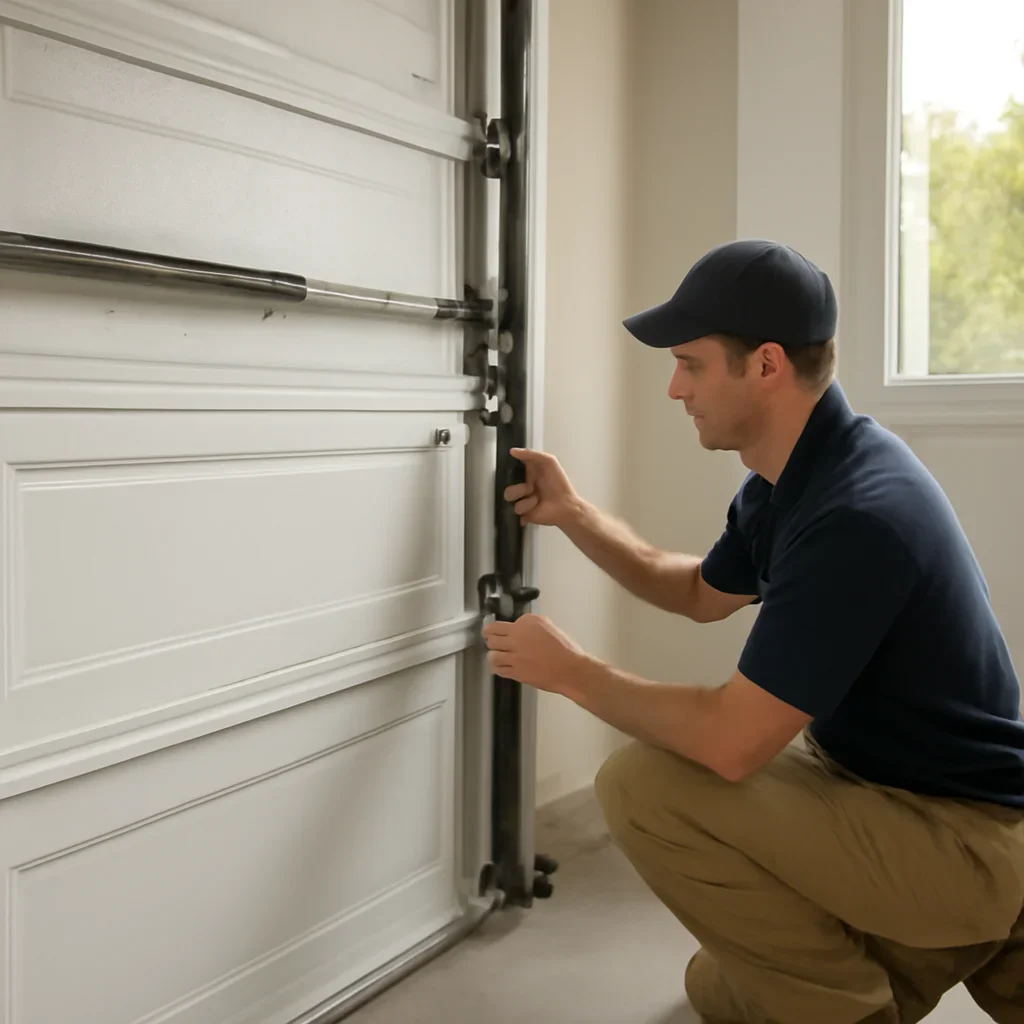
The visit should begin with how the door has been performing, followed by a systematic review of movement, hardware, balance, seals, opener operation and safety functions.
Explain new noise, shaking, slow travel, uneven closure, opener strain or seal gaps.
Review rollers, tracks, hinges, visible lifting parts, fasteners, seals and opener condition.
Confirm that the door moves evenly without placing unnecessary resistance on the opener.
Carry out appropriate adjustments and service based on the condition and design of the system.
Check travel, closure, sensors, controls and relevant safety-reversal operation.
Separate items that need repair now from parts that can be monitored over time.
Preventative service should give you a clear picture of the system instead of a vague list of recommended parts.
Understand which components remain in suitable condition and which normal sounds or movements do not need repair.
Receive a clear explanation when a safety, balance, hardware or operating concern should be corrected.
Know which developing wear points can be watched instead of replacing parts before service is necessary.
The scope depends on the number of doors, their current condition, property access and whether the visit identifies a separate repair need.
These answers cover preventative service, local conditions and the difference between routine maintenance and repair.
A useful maintenance visit should review door movement, balance, rollers, tracks, hinges, visible lifting components, fasteners, seals, opener operation and relevant safety functions.
Yes. Lubrication may be one part of service, but it should not replace balance checks, hardware inspection, seal review, opener testing or diagnosis of rough movement.
A yearly condition check is a useful baseline for many residential doors. Older, frequently used or shared doors may need closer attention based on condition and use.
No service can prevent every failure. Maintenance can identify looseness, poor balance, rough movement, deteriorated seals and other developing concerns.
Regular moisture can contribute to surface corrosion, deteriorated seals, stiff hardware and unreliable electrical connections, especially on exposed or older systems.
It may help when noise comes from loose hardware, worn rollers, stiff movement or minor alignment concerns. Grinding, popping or sudden loud sounds may indicate a repair problem.
Shared doors may complete more daily operating cycles than a private residential door. Maintenance needs should reflect actual use, condition and the number of people relying on the entrance.
Minor movement concerns may be identified during maintenance, but a visibly crooked door can involve a spring, cable, track or roller failure. Stop operating a door that hangs unevenly.
Share the property location, garage type, how often the door is used and any changes in noise, speed, balance, closure, weather sealing or opener performance.
Share your Norgate or southwest North Vancouver location and describe any noise, shaking, slow movement, uneven closure, opener strain, moisture exposure or weather-seal concerns. Mention whether the garage serves a private home, shared property or business.
You do not need to know the technical name of the problem. A clear description of the sound, movement and recent changes is enough to begin.