North Vancouver Garage Door Guide
Why a Garage Door Opens Slowly
Some openers are designed for a measured opening speed, so “slow” becomes meaningful when the cycle has changed or the motor sounds strained. Mechanical load should be checked before replacing the opener.
Opener performance repair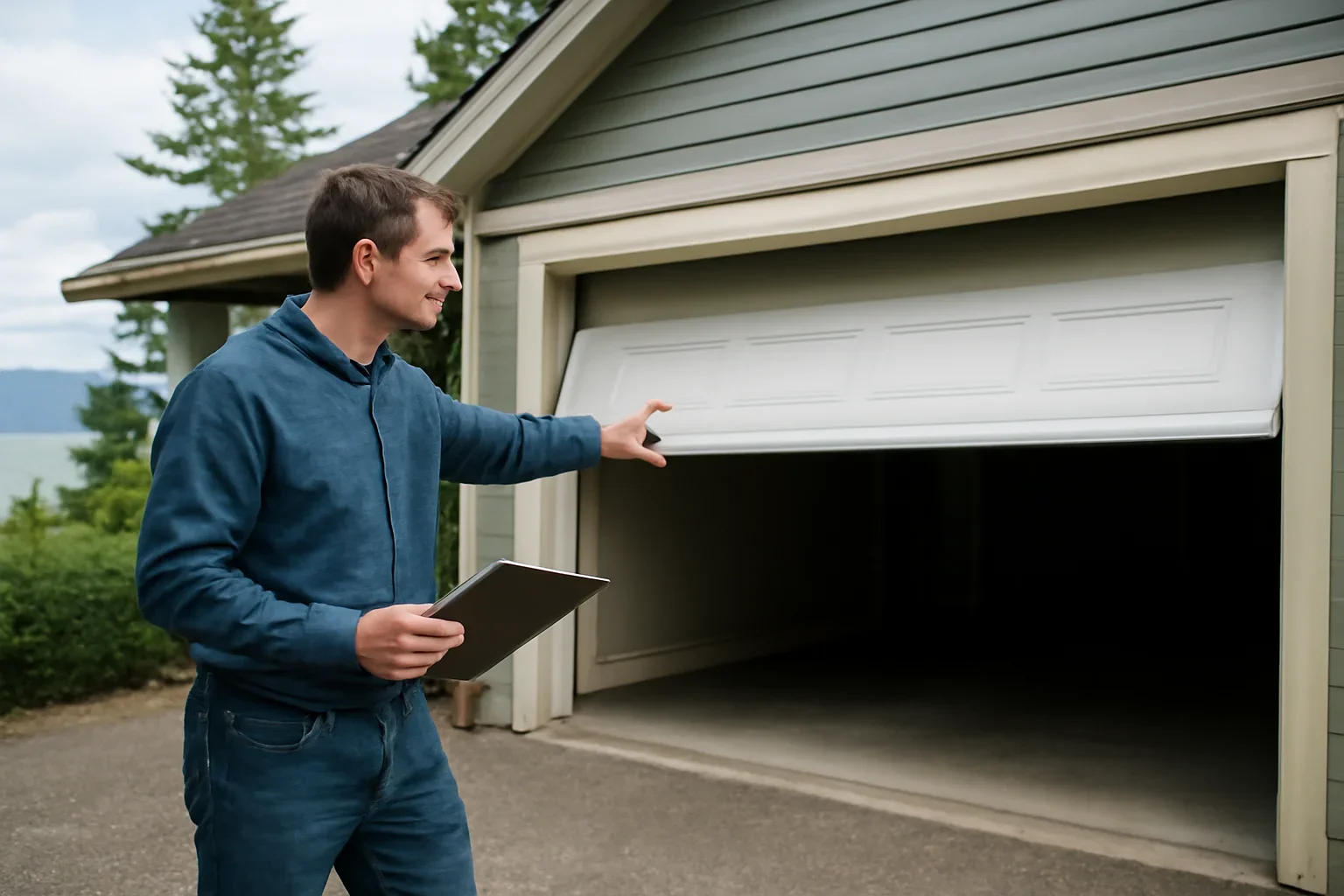
Quick answer
A garage door may open slowly because it is poorly balanced, binding in the tracks, using worn rollers, operating in cold conditions, or driven by an opener with a failing motor or worn drive components. Compare current speed with its normal behaviour rather than with another door.
What to understand first
A heavy door slows the opener
Weak springs or balance problems increase the load throughout the cycle.
Friction can build gradually
Dry hinges, worn rollers, bent tracks, or debris can reduce smooth movement.
Cold weather changes resistance
Lubricants thicken, seals stiffen, and marginal parts become more noticeable.
The opener drive may be worn
Belts, chains, gears, or motor components can lose efficiency over time.
Safe checks and next steps
- Time one full opening cycle. Use the same starting position and note any pauses or changes in sound.
- Watch for uneven movement. One side rising first points toward a door or cable issue.
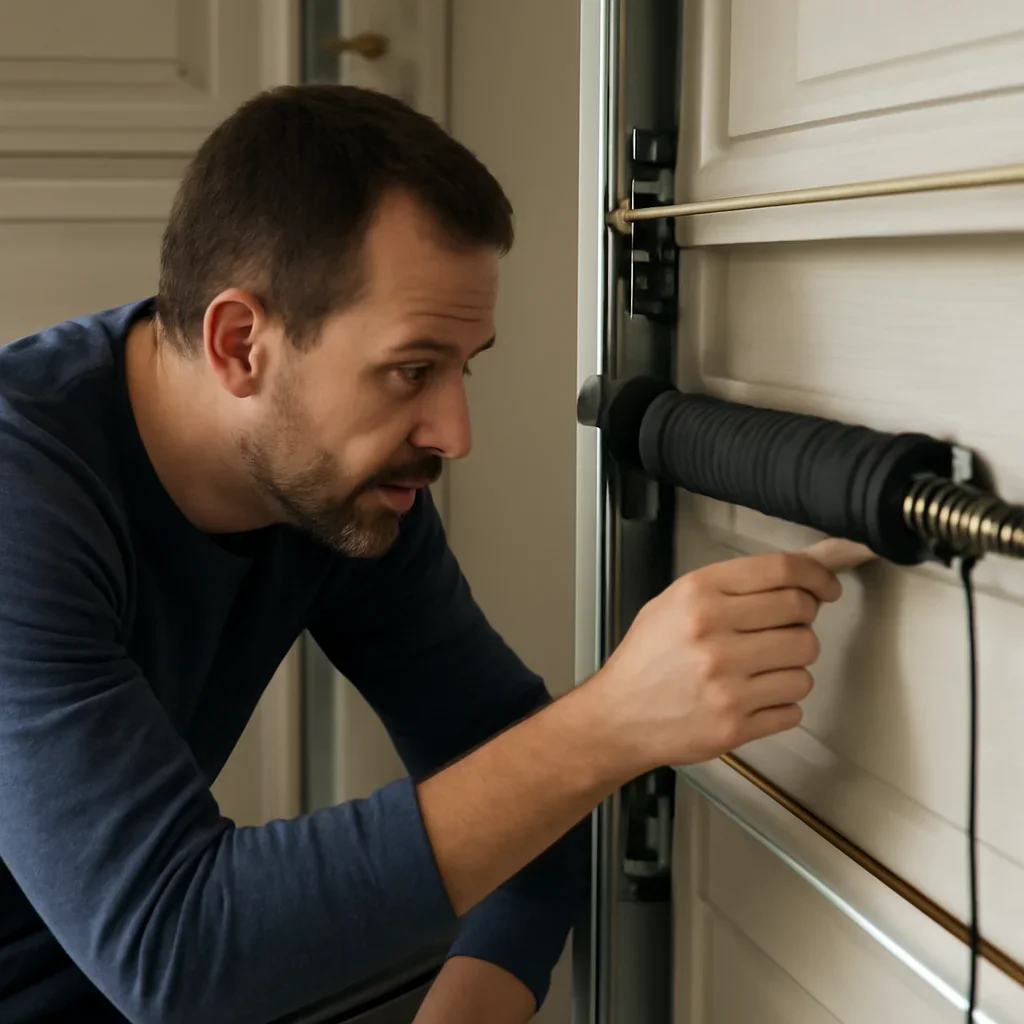
- Inspect visible rollers and hinges. Look for wear, wobble, or obvious damage without touching tensioned hardware.
- Check whether routine lubrication is due. Use only appropriate garage-door lubricant on approved points.
- Have balance assessed. A slow opener should not be asked to compensate for a heavy door.
Do not loosen, wind, cut, or reposition garage door springs, cables, drums, bottom brackets, or loaded track hardware. Stop if the door is heavy, crooked, partly off track, or moving unpredictably.
North Vancouver conditions to consider
Cold, damp mornings can make a borderline door noticeably slower. If the speed improves later in the day, temperature-related friction may be exposing an underlying maintenance need.
For adjacent guidance, review garage door lubrication guidance and roller performance differences.
When professional service makes sense
Call for service if the door is heavy, crooked, jerky, or accompanied by grinding, burning smells, or a straining motor.
The most relevant service resource is garage door balance service.
Frequently asked questions
Can I increase the opener speed?
Most residential opener speed is not a homeowner adjustment. Investigate why the cycle changed.
Will lubrication make the door faster?
It can reduce minor friction, but it will not correct a broken spring, damaged roller, or worn motor.
Does a slow door mean I need a new opener?
Not necessarily. The door’s balance and hardware should be checked first.
Get a clear next step for your garage door
Share what the door is doing, where it stops, which control you used, and any visible damage. The team can use those details to point you toward the appropriate inspection, repair, programming, or replacement service.
Opener performance repair