North Vancouver Garage Door Guide
How to Test Garage Door Balance Safely
Balance is created by the spring and cable system, not the opener. The test helps identify a problem; it does not authorize spring or cable adjustment.
Professional garage door inspection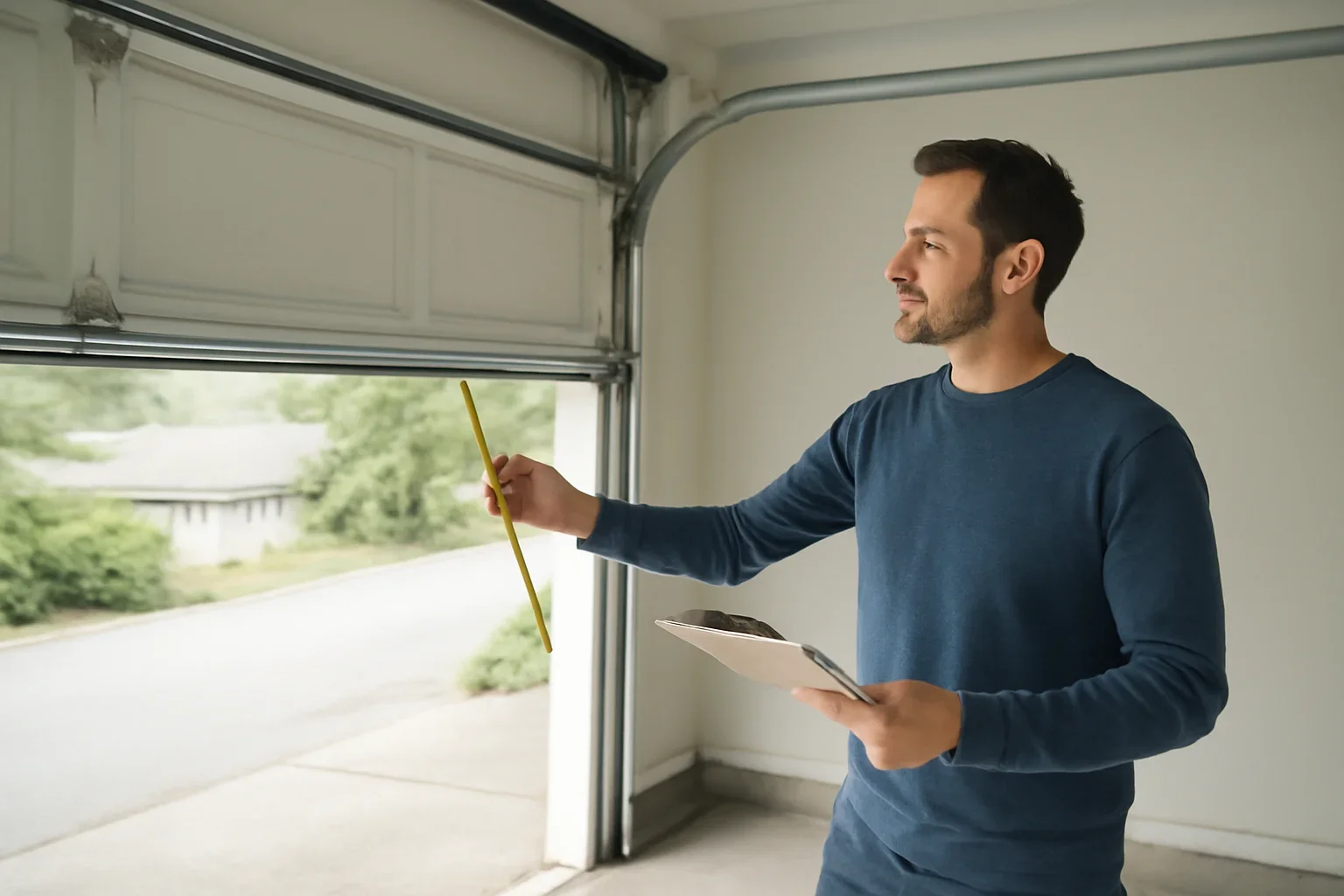
Quick answer
A basic balance check evaluates whether the door can move smoothly by hand and remain controlled when disconnected from the opener. Perform it only with the door closed to start, follow the opener manual, keep the area clear, and stop if the door is heavy, crooked, or unstable.
What to understand first
A balanced door should feel controlled
It should not slam down, shoot upward, or require excessive force.
Position drift is a useful clue
A door that will not remain near a mid position may have incorrect spring balance.
Side-to-side movement matters
One corner leading or lagging can indicate cable, drum, roller, or track problems.
Smoothness matters as much as weight
Binding, jerking, or scraping points to friction or alignment issues.
Safe checks and next steps
- Start with the door fully closed. This is the most stable position for disconnecting the opener.
- Clear people and objects. Keep hands away from hinges, tracks, and section joints.
- Use the emergency release exactly as documented. Do not pull it on a partly open door.
- Lift with the proper handle. Move slowly and stop if the door feels very heavy or twists.
- Reconnect only after the door is closed. Follow the opener procedure and test one controlled cycle.
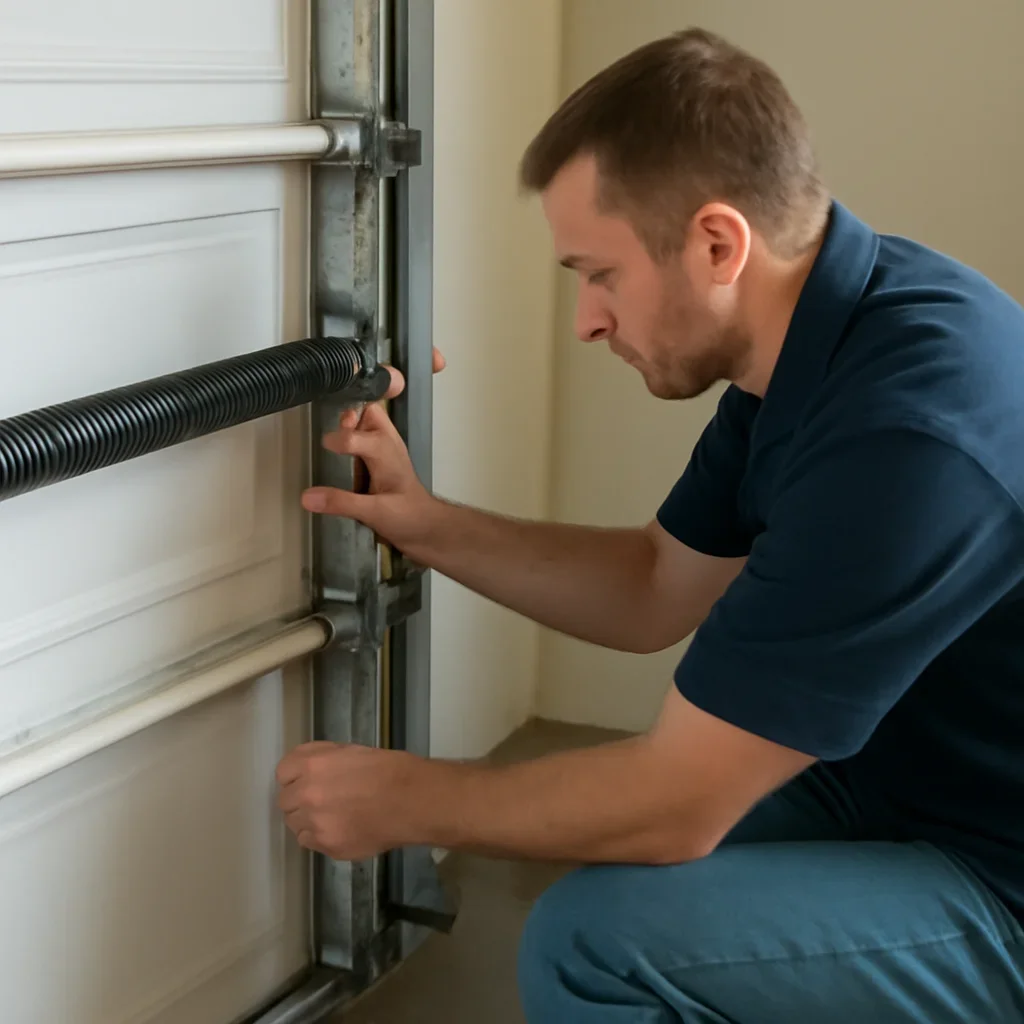
Do not loosen, wind, cut, or reposition garage door springs, cables, drums, bottom brackets, or loaded track hardware. Stop if the door is heavy, crooked, partly off track, or moving unpredictably.
North Vancouver conditions to consider
Cold and damp weather can change friction, but a major balance change is not normal seasonal behaviour. Record whether the issue persists under different conditions.
For adjacent guidance, review heavy garage door causes and mid-travel stopping problems.
When professional service makes sense
A door that drops, rises, feels heavy, moves unevenly, or has visible spring or cable damage needs professional balance service. Never adjust spring tension yourself.
The most relevant service resource is garage door balance service.
Frequently asked questions
Where should a balanced garage door stay?
Exact behaviour varies, but it should remain controlled rather than rapidly falling or rising.
Can the opener hide a balance problem?
Yes. The motor may continue moving a heavy door while wearing prematurely.
Should I test balance if a spring looks broken?
No. Stop using the door and arrange repair.
Get a clear next step for your garage door
Share what the door is doing, where it stops, which control you used, and any visible damage. The team can use those details to point you toward the appropriate inspection, repair, programming, or replacement service.
Professional garage door inspection