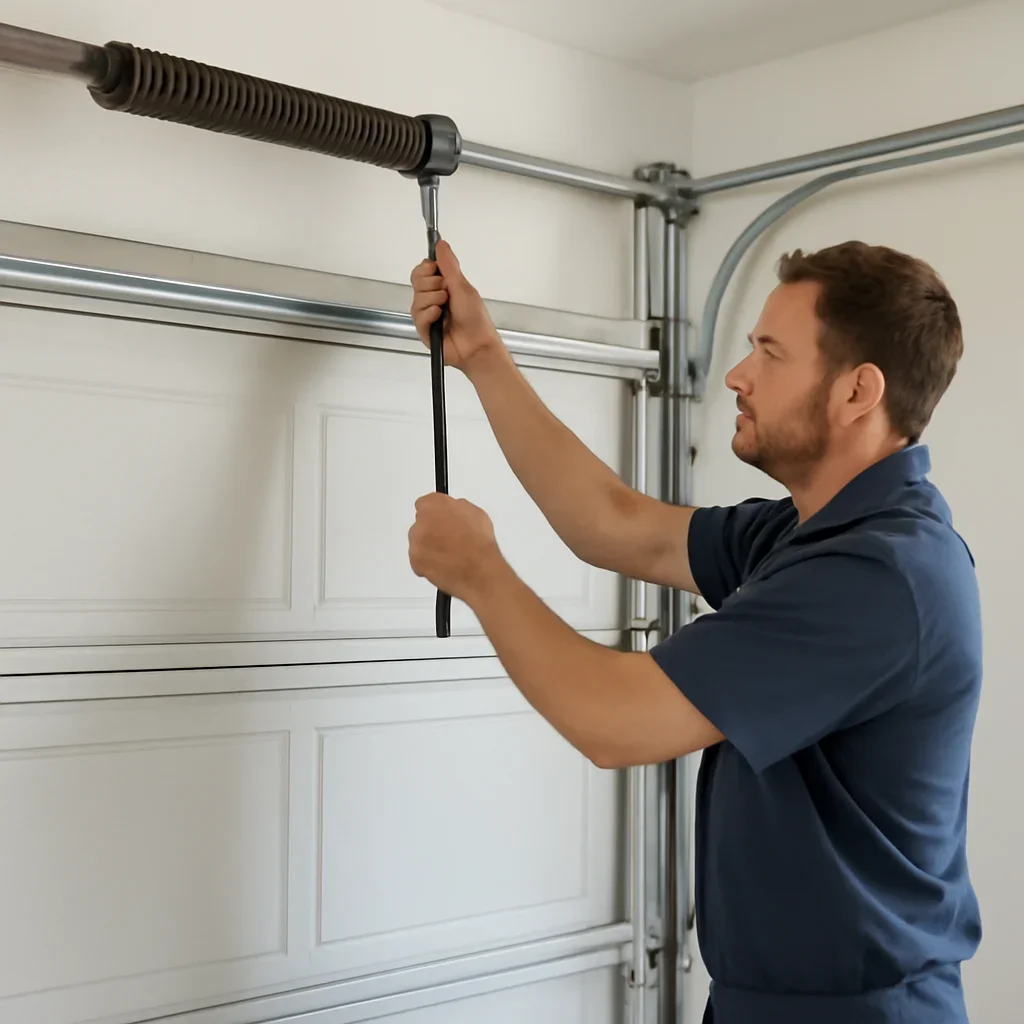
Norgate and South West North Vancouver
Garage Door Spring Repair in Norgate & South West North Vancouver
Get help when a garage door becomes heavy, crooked, stuck or difficult to lift. We assess broken springs, loose cables and uneven movement for established Norgate homes, renovated properties, townhome complexes, strata garages and businesses around Marine Drive, Welch Street, MacKay Road and Pemberton Avenue.
- Broken spring assessment
- Loose or damaged cable checks
- Heavy and uneven door diagnosis
- Trapped-vehicle and security concerns
What Should You Do When a Garage Door Spring Breaks?
Stop operating the garage door and keep clear of the opening. Do not touch, loosen or adjust the spring, cable, bracket or lifting hardware. Tell us whether the door is open, closed, crooked or trapping a vehicle.
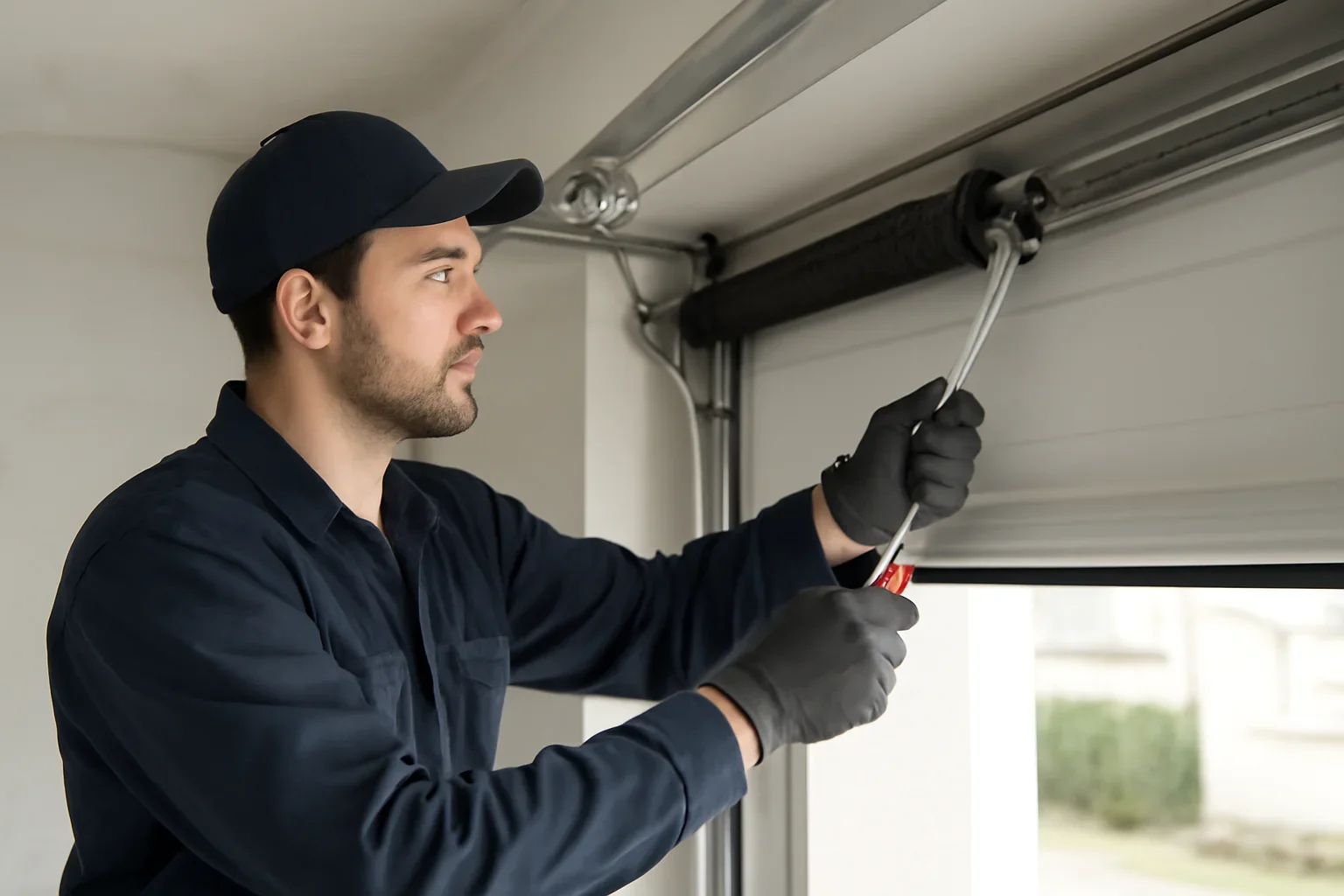
Is a Vehicle Trapped in the Garage?
Describe the door’s position and whether it is heavy,
crooked, open, closed or hanging from one side.
(844) 822-2211
Safety-First Diagnosis
High-tension parts stay protected
Complete Lifting Check
Springs, cables and balance
Property-Aware Planning
Homes, strata and businesses
Controlled Final Testing
Movement, balance and closure
Start With What You Can See
Which Spring or Lifting Problem Matches the Door?
You do not need to identify the technical part. Choose the symptom that best matches the position, weight or movement of the garage door.
01
The Door Suddenly Feels Very Heavy
A failed spring may leave the opener unable to lift the door, even when the motor and controls still respond.
Review broken spring repair 02A Cable Is Loose, Frayed or Tangled
Damaged lifting cables can leave the door unstable, uneven or hanging from one side of the opening.
Review garage door cable repair 03The Door Is Crooked or Leaving Its Tracks
Uneven spring or cable movement can pull rollers and tracks out of position. Stop operating a visibly crooked door.
Review off-track repair 04The Door Will Not Stay in a Controlled Position
Poor balance can make a door difficult to move and place unnecessary strain on the opener and supporting hardware.
Review balance and alignment 05The Opener Runs but Cannot Raise the Door
The motor may be reacting to a heavy or unbalanced door rather than suffering from an opener-only failure.
Review opener diagnosis 06The Cause Is Not Clear
A complete inspection can check springs, cables, drums, rollers, tracks, balance, panels and opener strain.
Review complete door inspections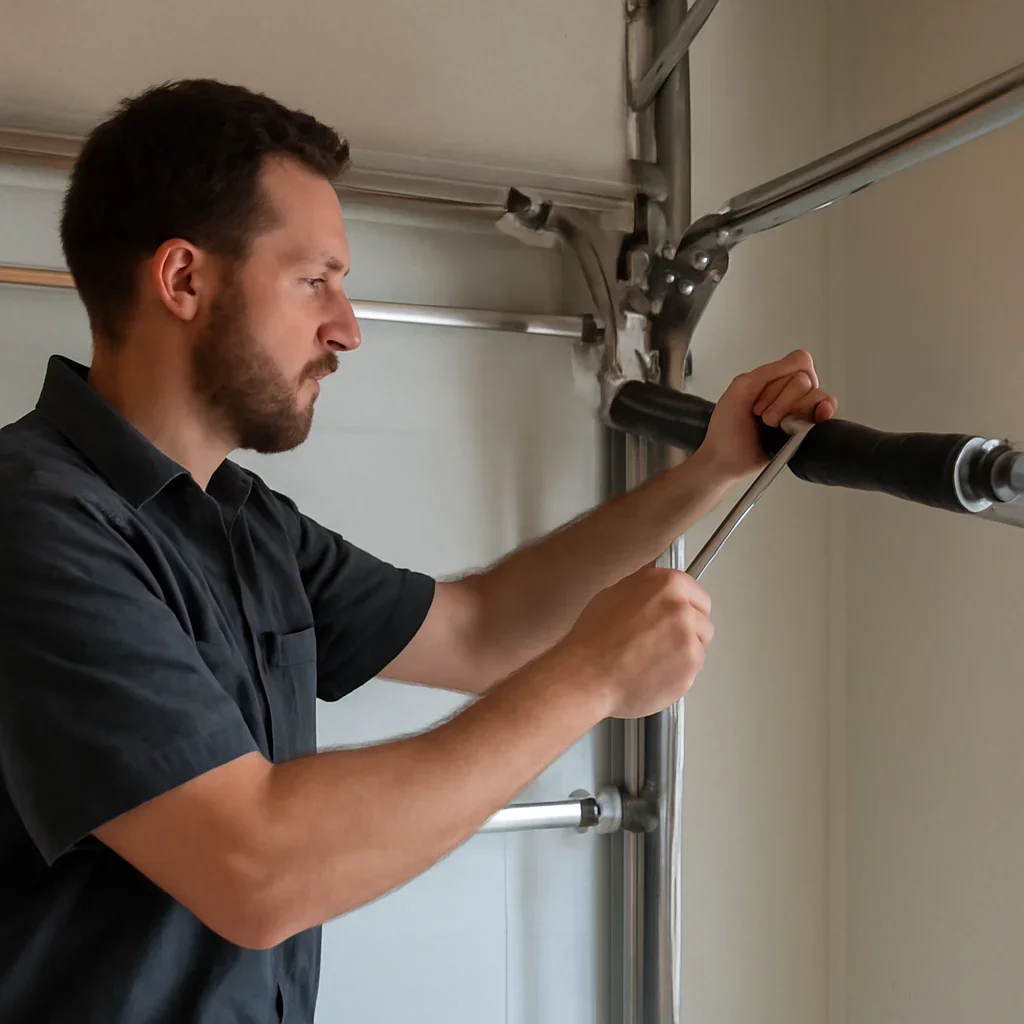
Spring repair for established homes, renovated garages,
townhome complexes, strata properties and mixed-use
buildings across Norgate and the Marine Drive corridor.
Hyperlocal Spring Repair Conditions
Norgate Properties Can Have Very Different Lifting Systems
Norgate includes many established, single-level homes with lower rooflines, mature landscaping and garages that may have been altered during later renovations. The door, opener and lifting hardware may not all be the same age.
Townhome complexes and newer multi-family properties near Marine Drive may have shared parking areas, compact access routes or doors used more often than a typical private residential garage.
Regular moisture can affect exposed metal hardware, bottom seals and electrical components. Leaves, grit and damp debris near ground-level openings can also affect closure and make an existing alignment problem more noticeable.
Older Garage Openings
Check original framing and hardware that may now
operate with a newer door or opener.
Renovated Norgate Homes
Confirm the spring system still matches the actual
weight and configuration of the door.
Townhome and Strata Access
Consider shared driveways, nearby vehicles and the
number of people affected by a failed door.
Marine Drive Properties
Plan around active parking areas, businesses,
deliveries and limited working space.
Describe the Door’s Current Position
The Position of the Door Helps Explain the Urgency
Tell us where the door stopped and whether access, security or nearby vehicles are affected.
High-Tension Garage Door Hardware
Spring and Cable Work Requires Professional Handling
Garage door springs and cables support and control a heavy moving door. A failed component can leave the door unstable, place uneven force on the tracks or allow sudden movement.
Keep people, pets, vehicles and stored items clear of the opening. Do not try to reposition, wind, loosen or remove spring or cable hardware.
Stop Operating the Door When:
- A spring has a visible separation
- A cable looks loose, frayed or displaced
- The door is higher on one side
- A roller has moved away from its track
- The opener strains without lifting the door
- The door moves faster than expected
- The garage opening cannot be secured
- A shared entrance or vehicle is blocked
Check the Complete Lifting System
A Broken Spring Can Affect More Than the Spring
Springs counterbalance much of the garage door’s weight. When that support changes, the cables may loosen, the door may rise unevenly and the opener may work harder than intended.
The assessment should identify the original failure and check for related wear before normal operation resumes. Replacing one visible part without reviewing the rest of the system can leave the main cause unresolved.
The North Vancouver Garage Doors homepage connects the complete repair and installation network. This service focuses on spring, cable and door-balance problems in Norgate and southwest North Vancouver.
Components Commonly Checked Together
- Spring condition and configuration
- Lifting cables and cable drums
- End and centre support brackets
- Rollers, hinges and track position
- Door balance and even movement
- Panel condition and visible damage
- Opener rail and motor strain
- Safety sensors and final closure
Service Based on Property Use
Different Properties Create Different Access Priorities
The lifting system may perform the same basic job, but door size, daily use, site access and the number of people affected can change the repair plan.
Norgate Detached Homes
- Review mixed-age doors and opener equipment
- Check lower or compact garage clearances
- Restore access used for work and family routines
- Inspect hardware near mature landscaping
- Consider vehicles trapped in private garages
Townhomes and Strata Garages
- Plan around shared parking areas
- Consider doors with higher daily cycle counts
- Coordinate access with strata management
- Protect nearby vehicles and pedestrian routes
- Explain findings for shared-property decisions
Shops and Mixed-Use Properties
- Restore access for staff and service vehicles
- Plan around deliveries and active work areas
- Review doors used more frequently
- Reduce disruption near customer parking
- Confirm the system suits the actual door use
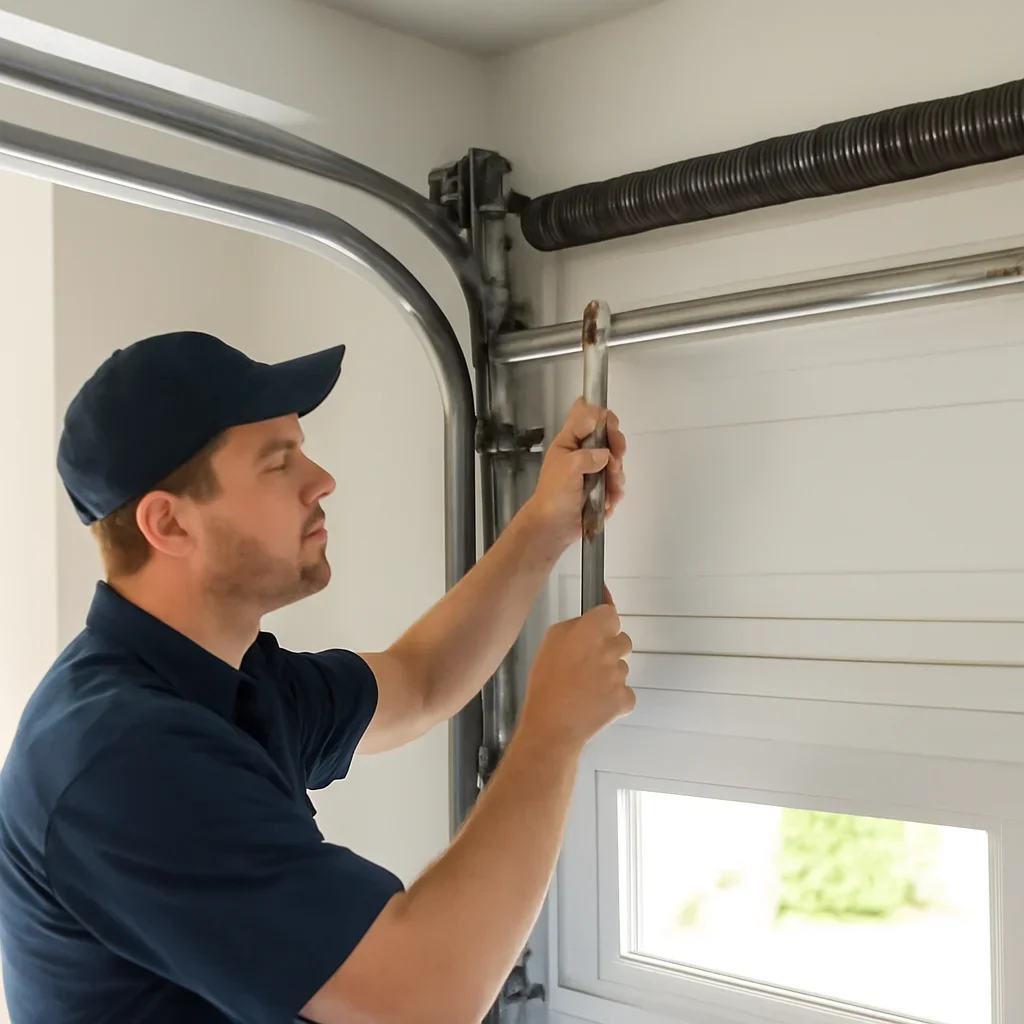
A Clear Spring Repair Process
From the First Warning Sign to Final Door Testing
The goal is to identify what failed, check related damage and confirm that the complete door moves evenly without placing unnecessary strain on the opener.
Describe What Happened
Explain what you heard or saw and whether the door is open, closed, crooked or trapping a vehicle.
Secure and Inspect the Door
Review the spring system, cables, drums, brackets, rollers, tracks and visible lifting hardware.
Identify Related Damage
Check whether uneven movement affected the opener, tracks, rollers, panels or other supporting parts.
Explain the Repair Scope
Understand which parts need attention, why they are required and which components remain serviceable.
Complete the Approved Repair
Restore the lifting system using components suited to the door’s size, weight and configuration.
Test Balance and Controlled Movement
Confirm even travel, controlled closure, opener operation and relevant safety functions.
Understand the Condition of the Door
What Should the Spring Assessment Explain?
The recommendation should separate the original failure from damage or wear that developed elsewhere in the system.
What Failed
Understand whether the main problem involves a spring, cable, drum, bracket, balance issue or another lifting component.
What Else Was Affected
Know whether the failure added wear to the opener, tracks, rollers, panels or supporting hardware.
How Safe Movement Was Confirmed
The finished door should lift evenly, remain balanced and close in a controlled way without excess motor strain.
Condition-Based Spring Recommendations
Does Every Spring Need to Be Replaced?
The answer depends on the garage-door configuration, spring condition, balance requirements and whether the springs have similar service history.
Focused Replacement May Be Considered When:
- The system is designed around one spring
- The remaining lifting parts are in suitable condition
- The final door balance can be restored correctly
- No related cable or track damage is found
- The spring can be matched to the door requirements
Matching Spring Work May Be Recommended When:
- The door uses a matched multi-spring setup
- The springs share similar age and operating cycles
- The remaining spring shows significant wear
- Balanced lifting requires a matched configuration
- A wider repair offers better long-term reliability
The recommendation should be based on the door’s measured requirements and the condition of the complete lifting system, not a one-size-fits-all rule.
Understand the Estimate
What Affects Garage Door Spring Repair Pricing?
Pricing depends on the door, spring configuration, related damage and the position of the garage door when service begins.
Helpful Spring Repair Answers
Garage Door Spring Repair Questions
These answers cover common warning signs, safety concerns and property conditions in Norgate and southwest North Vancouver.
How Can I Tell If a Garage Door Spring Has Broken?
Common signs include a loud sound, a visible gap in a spring, a door that suddenly feels heavy or an opener that runs without lifting the door.
Can I Keep Using the Opener With a Broken Spring?
Stop operating the system. The opener is designed to move a balanced door, and forcing a heavy door can add strain to the motor, rail and drive components.
Why Is the Garage Door Higher on One Side?
Uneven movement may involve a cable, spring, drum, roller or track problem. Stop operating a door that is visibly crooked.
Is a Loose Cable Related to a Broken Spring?
It can be. A spring failure or sudden change in door position may leave a lifting cable loose, tangled or displaced.
Can Moisture Affect Garage Door Spring Hardware?
Regular moisture can contribute to surface corrosion and wear around springs, cables, brackets and exposed metal parts.
Can a Broken Spring Damage the Garage Door Opener?
It can when the opener is repeatedly used against a heavy or immovable door. The motor, rail and drive system should be checked for related strain.
Does an Insulated Door Need Different Spring Planning?
The spring system must match the actual weight and configuration of the door. Insulation, windows, width and panel construction can all affect that weight.
Do Shared Garages Need Different Service Planning?
The repair method may be similar, but shared access, parking flow, operating cycles and the number of people affected can change service coordination.
What Should I Share When Requesting Spring Repair?
Explain what happened, whether you heard a loud sound, how far the door moves and whether it looks level. Mention whether a vehicle or shared entrance is blocked.
Request Local Spring Repair
Describe the Door’s Position, Weight or Visible Damage
Share your Norgate or southwest North Vancouver location and explain what happened. Include whether the door is open, closed, crooked, unusually heavy or trapping a vehicle. Mention whether the garage is private, shared or part of a business property.
Do not attempt to reposition, loosen or remove a garage door spring, cable, bracket or lifting component.