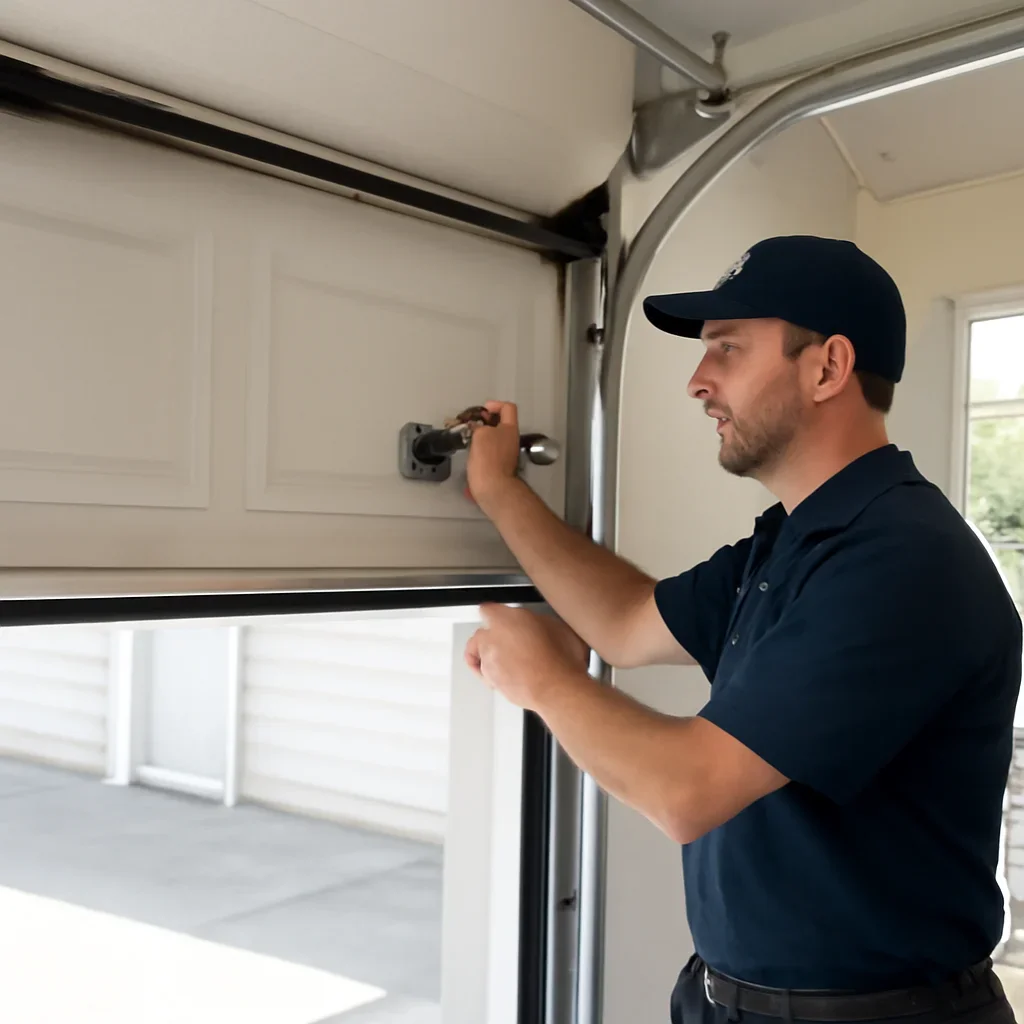
New rattling or squeaking
Changes in sound may involve loose hardware, worn rollers, dry movement points, rail vibration or poor balance.

Keep your garage door operating smoothly by checking balance, rollers, tracks, fasteners, seals, opener performance and safety functions before ordinary wear becomes a breakdown. Maintenance is useful for detached garages, lane-access homes, townhomes, strata properties and commercial doors throughout the Lonsdale corridor.
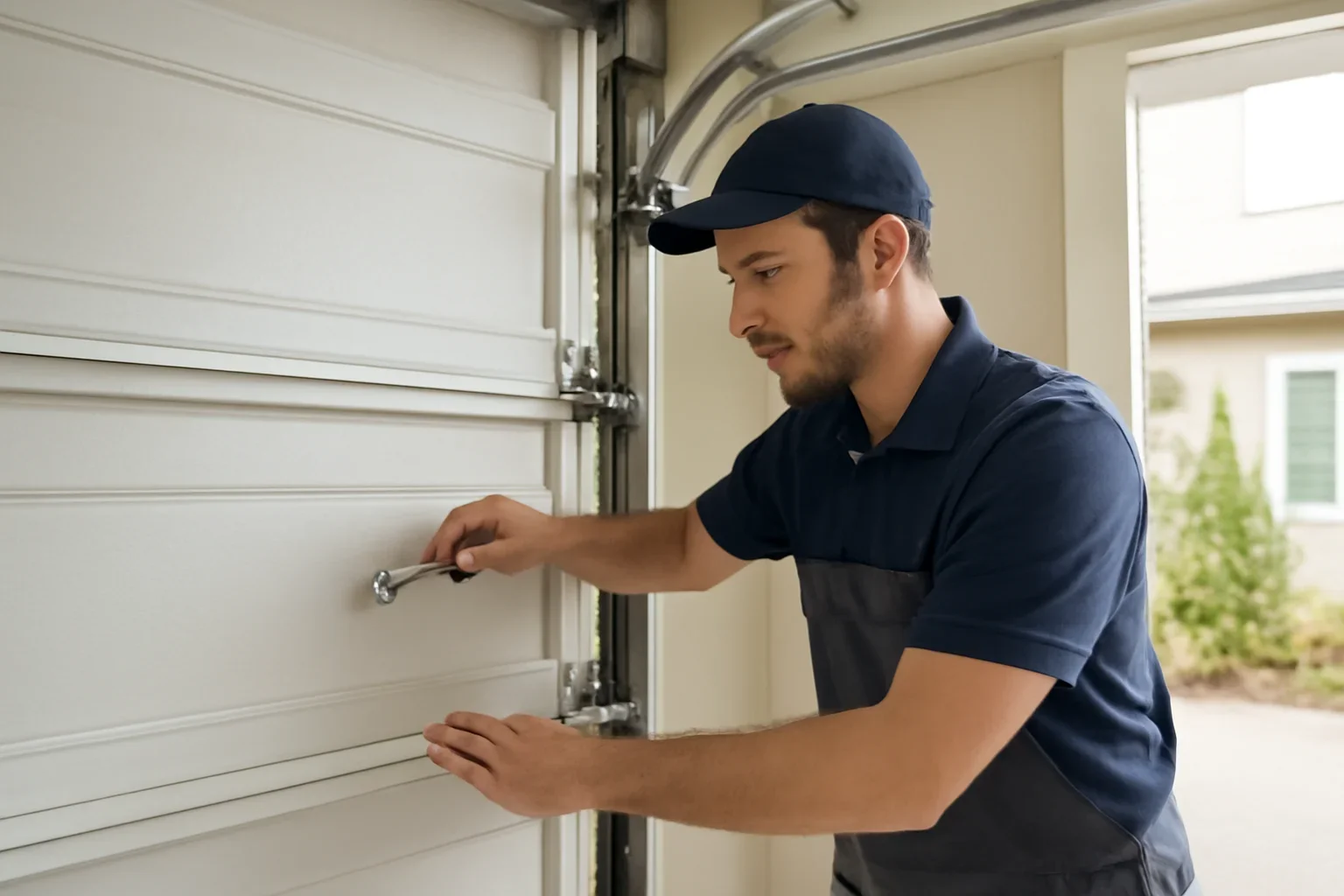
Maintenance does not guarantee that a component will never fail, but it can reveal looseness, poor balance, friction, damaged seals and developing wear before the door stops working.
A balanced, freely moving door places less avoidable load on the opener, rollers, hinges and supporting hardware.
Request a tune-up 02Loose fasteners, dry moving points, worn rollers and alignment issues can contribute to rattling, squeaking and vibration.
Review service options 03Inspection can reveal frayed components, damaged seals, loose hardware and changing door behaviour that should be watched or repaired.
Describe what you noticed 04Service can account for lane access, strata entry, shared garages, higher operating frequency and nearby living space.
Open the local service hub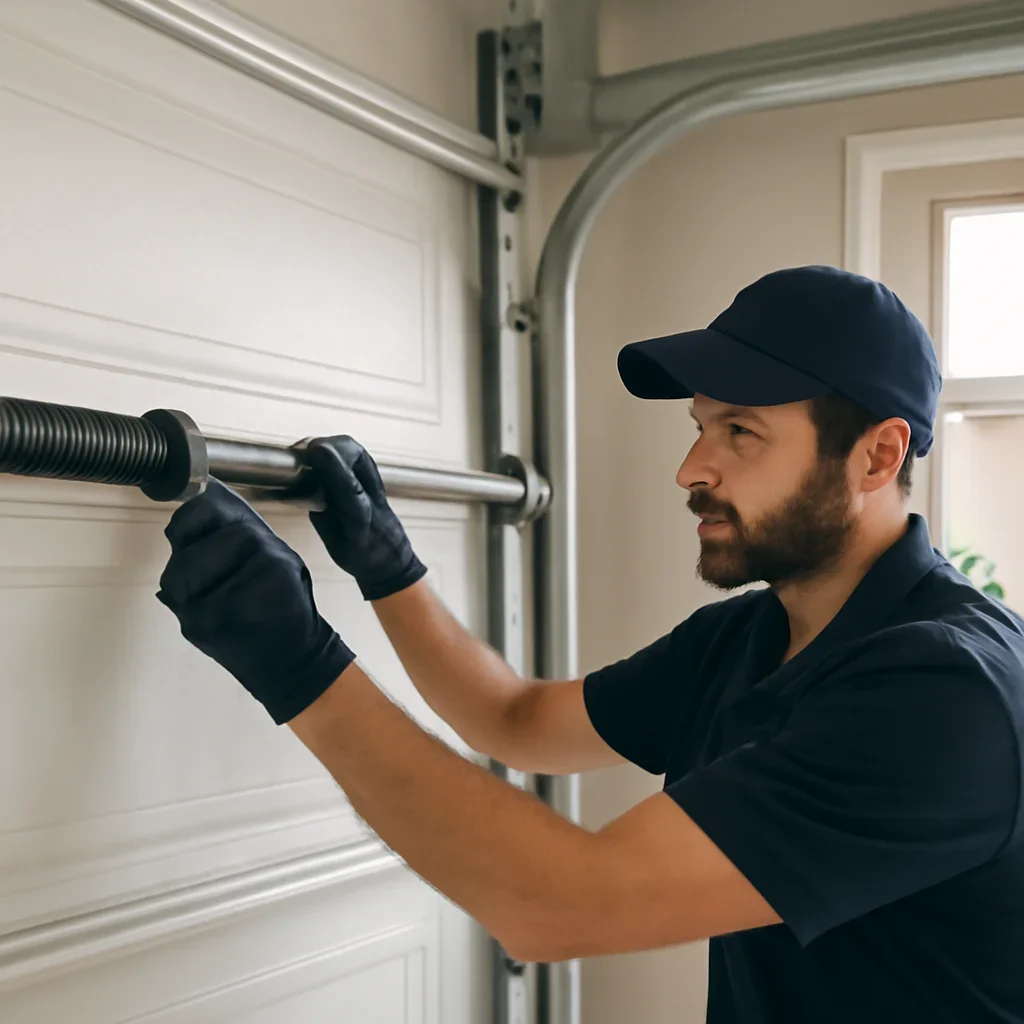
Lower Lonsdale includes newer mixed-use developments, strata buildings, townhomes, low-rise properties and commercial spaces. Central Lonsdale continues that denser pattern while also including detached homes, duplexes, infill properties and garages reached from rear lanes or compact driveways.
Garage doors in shared or commercial settings may move far more often than a lightly used detached residential door. Frequent cycling can make rollers, hinges, fasteners, opener settings and other moving parts more important maintenance points. Access may also require parkade instructions, visitor parking or coordination with a property manager.
Rain is a regular North Vancouver reality. Moisture and tracked-in debris can affect bottom seals, lower hardware, tracks, sensor areas and electrical connections. Regular inspection is useful for identifying corrosion, seal damage and drainage or debris concerns near the opening.
A useful tune-up looks at the complete operating system. Lubrication alone cannot correct poor balance, damaged hardware, loose parts or an opener working against a binding door.
Gradual changes are easy to overlook because the door still opens and closes. A shift in sound, speed, balance or sealing can be an early reason to have the system checked.
Changes in sound may involve loose hardware, worn rollers, dry movement points, rail vibration or poor balance.
Delayed starts, uneven travel and repeated stopping can indicate resistance or developing opener and door-system wear.
Flattened or damaged seals can allow rain, wind, cold air, dirt and debris into the garage.
Movement through the tracks, rail or supporting hardware may show that adjustment, tightening or repair should be considered.
A door that feels heavier or no longer stays in position may need professional assessment rather than continued opener use.
Rust, damaged coatings, wet lower hardware and unreliable connections should be reviewed before the condition worsens.
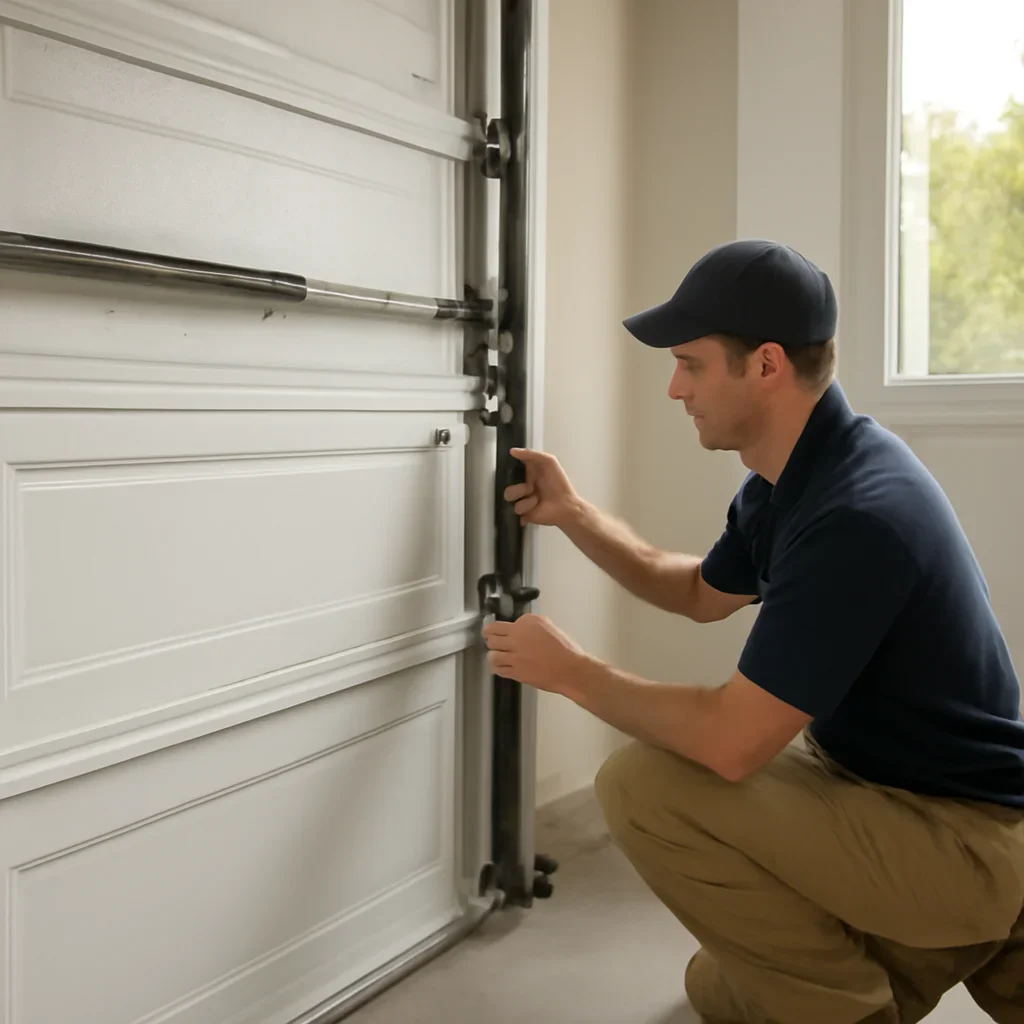
The service should begin with how the door has been performing, then move through the mechanical system, opener and safety functions. Any condition outside routine maintenance should be explained clearly.
There is no single schedule that fits every garage door. Timing should reflect operating frequency, property type, exposure, age and whether the door has started showing changes in movement or sound.
Maintenance recommendations should be based on the actual system and its use rather than a generic interval. Review the pricing guidance before requesting service.
When booking maintenance, include the nearest cross street, property type, approximate door age and any access instructions. This is useful in Lower and Central Lonsdale, where curb space can be limited and many garages are reached through lanes, parkades or controlled-entry buildings.
Review broader service options, learn more about tune-ups and send the information needed to decide whether maintenance or repair is the right next step.
Review broader garage door services for homes, strata properties and commercial buildings in the neighbourhood.
Open the local service hub Maintenance guideLearn more about preventative inspections, balance, hardware, weather seals, opener performance and safety checks.
Review maintenance information Request serviceInclude recent changes in sound or movement, door age if known, operating frequency and lane, parkade or strata access instructions.
Contact the service teamThese answers cover tune-up scope, timing, lubrication, opener checks, strata properties and the difference between maintenance and repair.
The exact scope depends on the system, but a useful tune-up may review balance, manual movement, springs, cables, rollers, hinges, tracks, fasteners, seals, suitable lubrication points, opener travel, controls, sensors and safety reversal.
No. Maintenance addresses inspection, suitable adjustments and ordinary wear on a working system. A broken spring, damaged cable, off-track roller, crooked door or failed component requires repair.
It may help when noise comes from loose fasteners, suitable lubrication points, minor adjustment or developing roller and hardware wear. Noise caused by damaged components or a worn opener may require repair or replacement.
The appropriate timing depends on door age, operating frequency, exposure and condition. A lightly used detached garage may have different needs from a shared strata door that cycles throughout the day.
Opener travel, controls, mounting, rail movement, sensors and safety reversal can be reviewed during service. The door must also move correctly because poor balance or binding can place extra strain on the opener.
Include the building address, affected door, operating frequency, recent symptoms, entry instructions, visitor or contractor parking details and the property-management contact when approval or coordination is required.
Share any new noise, slower movement, vibration, gaps, moisture, opener behaviour or balance concerns. Include the property type, approximate door age and any lane, parkade, visitor-parking, strata or controlled-entry instructions.