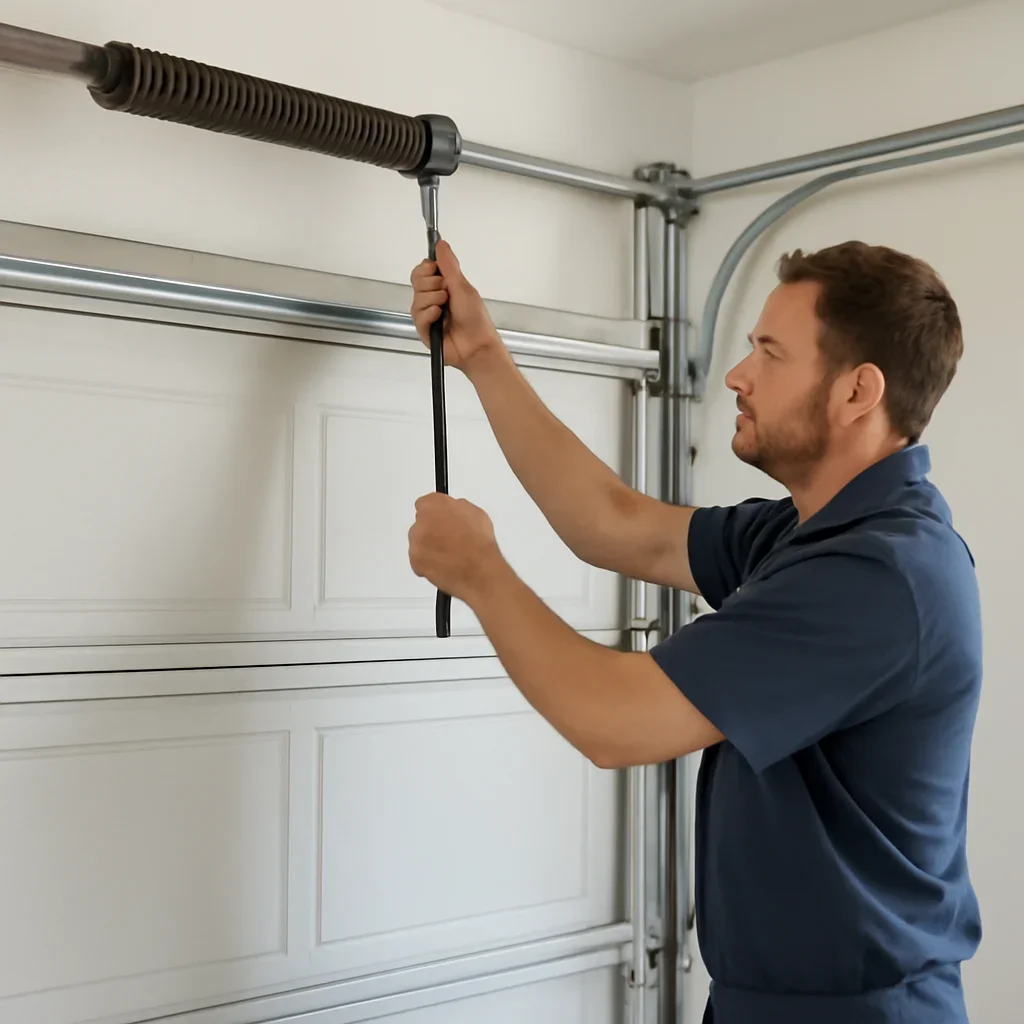
Spring type and condition
Identify the installed spring configuration, visible failure and whether remaining spring components show related wear.
Assess the spring system
Request service when your garage door suddenly feels heavy, lifts only a few inches, sits unevenly, makes a sharp snapping sound or no longer opens after a spring-related failure. Springs and lifting cables help control the full weight of the door, so an unstable system should remain unused until it can be assessed.
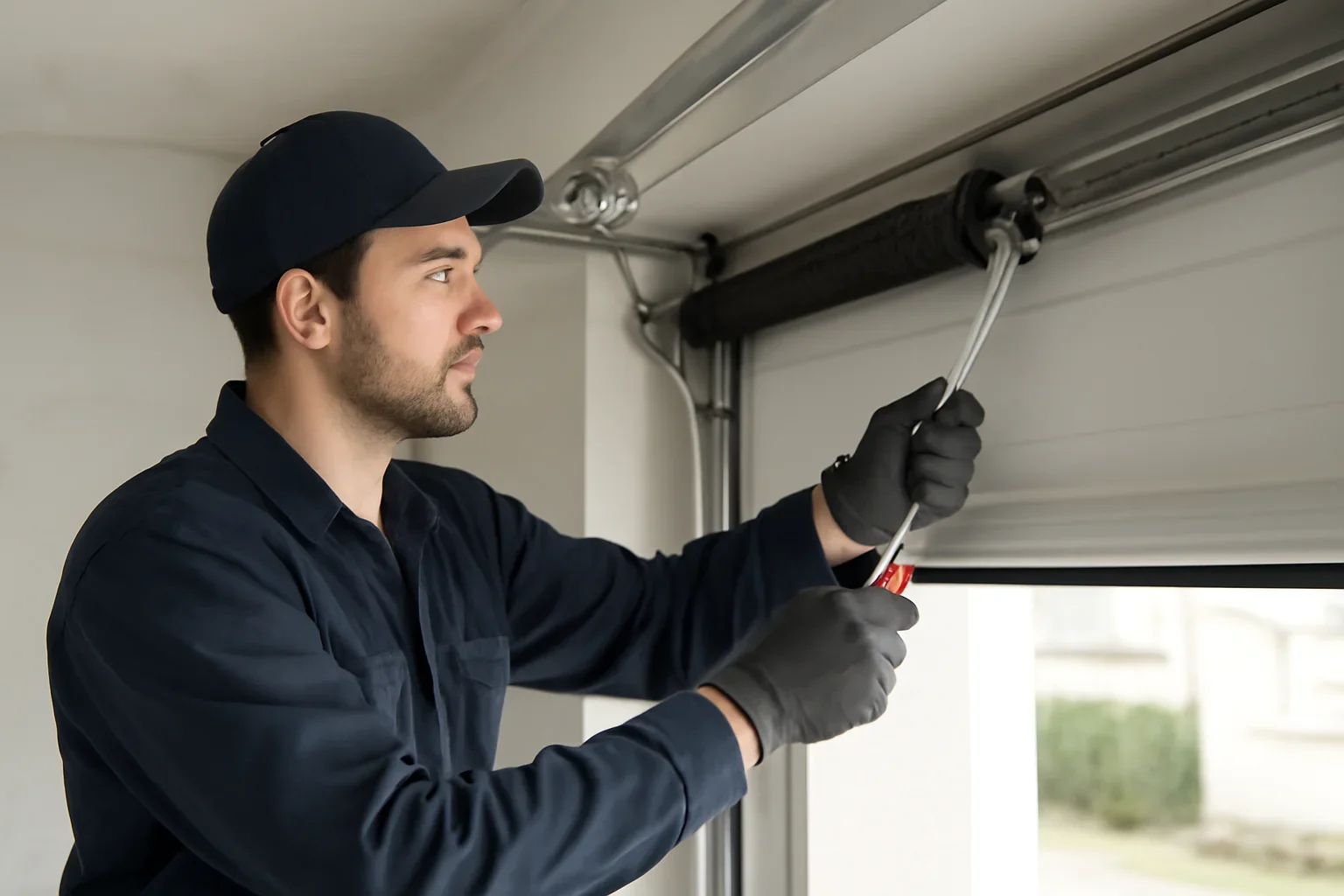
The opener does not carry the garage door by itself. The spring system offsets much of the door's weight so the door can move in a controlled way. When a spring breaks or loses strength, the opener may strain, the door may remain closed or one side may rise differently from the other.
You do not need to touch the spring to identify a possible failure. Tell us whether you heard a sudden sound, whether the door is open or closed, whether a vehicle is trapped and whether the door looks crooked. Those details help determine whether you need spring service, related spring and cable repair or a broader door assessment.
Repeatedly operating the opener against a heavy or unsupported door can add strain to the motor, rail, trolley, tracks, rollers and panels.
Springs work with cables, drums, brackets, bearings, tracks, rollers and the opener. Related components should be reviewed so the door can return to even, controlled movement.
Identify the installed spring configuration, visible failure and whether remaining spring components show related wear.
Assess the spring systemReview cable routing, tension, fraying, displacement and the condition of the hardware that guides lifting movement.
Check connected hardwareInspect the supports that carry spring movement and transfer load through the garage door system.
Review supporting partsConfirm the door is not binding, rubbing or moving unevenly because of a separate track, roller or alignment problem.
Check door movementDetermine whether the opener or trolley was overloaded while trying to move a door that had lost spring support.
Inspect opener impactVerify controlled travel, appropriate balance and relevant opener, closing and reversal functions after repair.
Complete final checksStop operating the door, keep the opening clear and provide the visible symptoms when requesting service. Do not handle loose cables, spring cones, brackets or other parts connected to the lifting system.
An open or partly open door should be treated as unstable. Keep children, pets, vehicles and stored items away from the opening. Do not stand beneath the door or attempt to force it into another position.
Lower Lonsdale includes dense strata housing, mixed-use buildings, townhomes, low-rise properties and commercial spaces. Central Lonsdale also includes detached homes, duplexes, infill properties and garages reached from rear lanes or compact driveways.
In shared or underground garages, a spring failure can affect several residents and may require controlled entry, visitor parking instructions or coordination with a property manager. At a lane-access home, a stuck door can trap a vehicle or interrupt movement through a narrow shared lane.
North Vancouver's damp conditions can contribute to corrosion on cables, brackets and exposed metal hardware. Spring service should therefore consider connected components rather than treating the failed part in isolation.
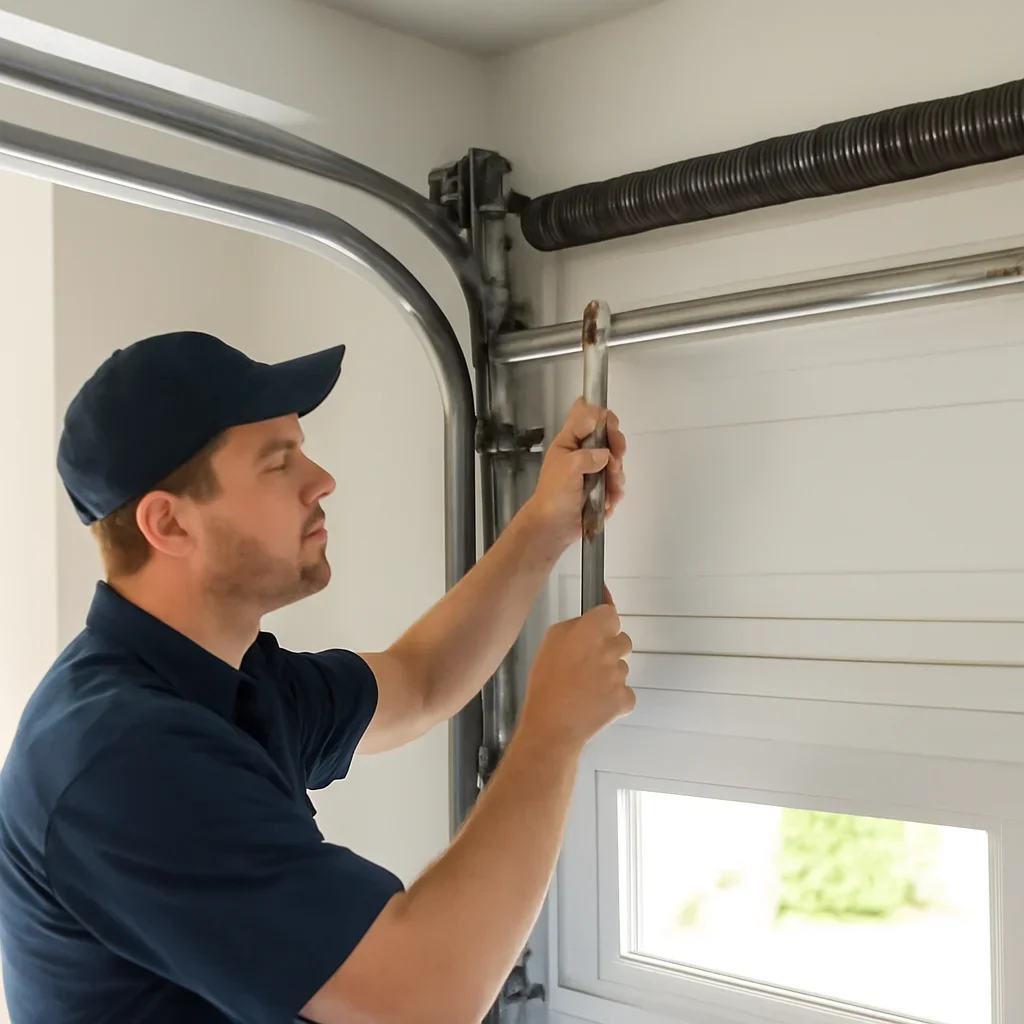
The process begins with the door position, visible symptoms and property access. The lifting system and connected hardware are then assessed before the correct repair scope is explained.
Clear information about the door and property helps identify access needs, urgency and the likely service scope.
Explain the sound, movement, door position and whether a vehicle or building access is affected.
Check the spring system, cables, supports, alignment, opener and related lifting components.
Identify the required spring work and any connected damage that must be corrected.
Confirm controlled movement, balance, opening, closing and relevant safety functions.
The recommendation depends on the spring system, door weight, related hardware and whether other components were damaged when the failure occurred.
A clear estimate should identify the spring work, connected lifting components and any additional damage required for safe operation. Review the pricing guidance before requesting service.
Use the local hub for neighbourhood-wide service information, review the related spring and cable pages or send the current door position and access details.
These answers cover common warning signs, opener use, cable concerns, door position and shared-property access.
Common signs include a loud snap, a door that suddenly feels very heavy, an opener that strains without lifting, uneven movement or a visible separation in a spring. Do not touch or adjust the spring hardware to confirm the problem.
The opener should not be repeatedly used against a door that has lost spring support. This can strain the motor, rail, trolley and door hardware while the door remains heavy or unstable.
A spring failure can affect cable tension, but cables can also be damaged, displaced or affected by other lifting-system problems. Springs, cables, drums and door alignment should be assessed together.
An open or partly open door with a suspected spring failure should be treated as unstable. Keep people, pets, vehicles and stored items away from the opening and share the current door position when requesting service.
It depends on the cause. A spring or cable imbalance may contribute to uneven movement, but tracks, rollers, drums, panels and other hardware may also need attention before the door can move correctly.
Include the building address, affected door, current position, number of users impacted, controlled-entry instructions, visitor or contractor parking details and the property-management contact when coordination is required.
Share whether the door is open, closed, crooked, unusually heavy or trapping a vehicle. Include any loud sound, loose cable, visible spring separation and lane, parkade, strata or controlled-entry instructions.