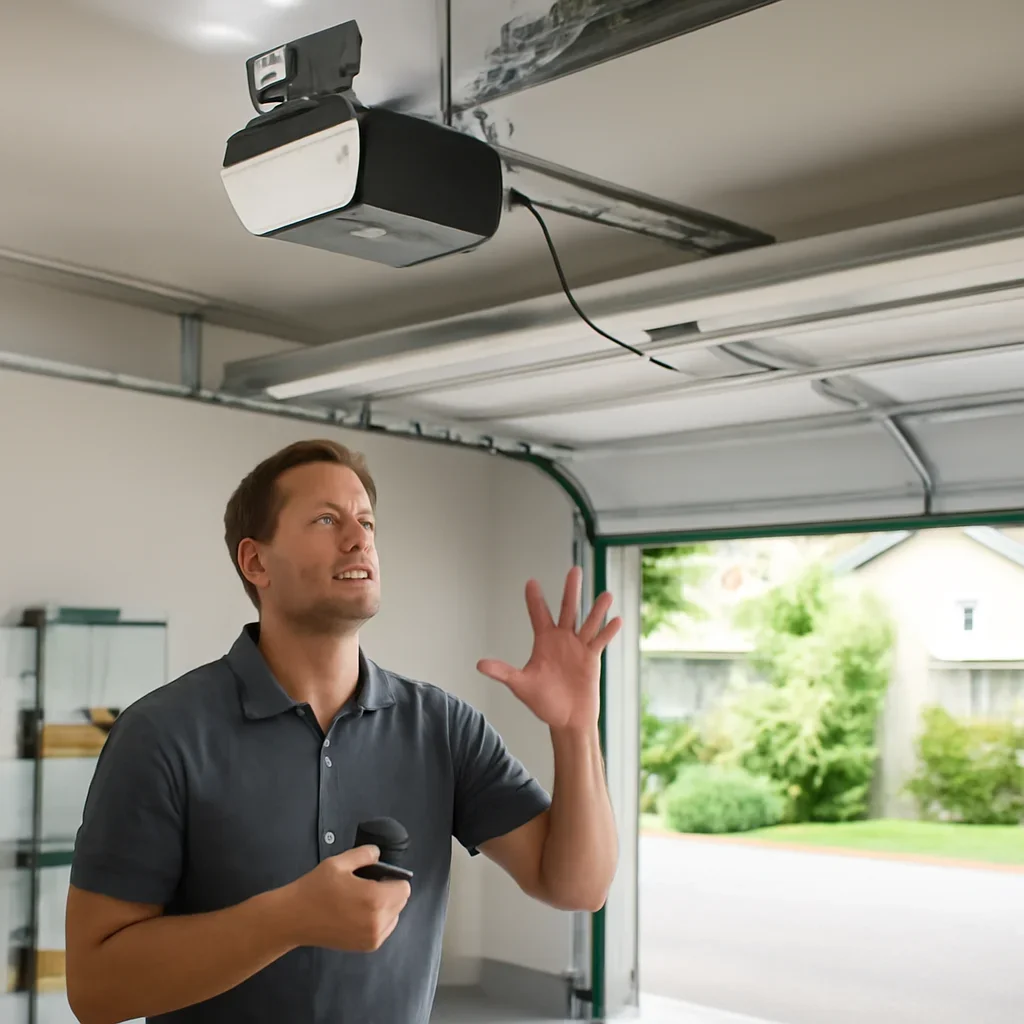
Nothing happens
A tripped breaker, unplugged unit, failed outlet, damaged wall control or internal electrical fault may prevent any response.

A garage door opener that clicks, hums, flashes, reverses or does nothing may have a power, remote, sensor, motor or travel-setting problem. The door itself may also be too heavy, unbalanced or obstructed for the opener to move safely.
Check the power source, wall control, remote batteries and whether anything blocks the safety sensors. Stop testing the opener if the door is crooked, unusually heavy, off track or connected to a visibly damaged spring or cable. Those symptoms point to a door problem that should be assessed before the motor is used again.
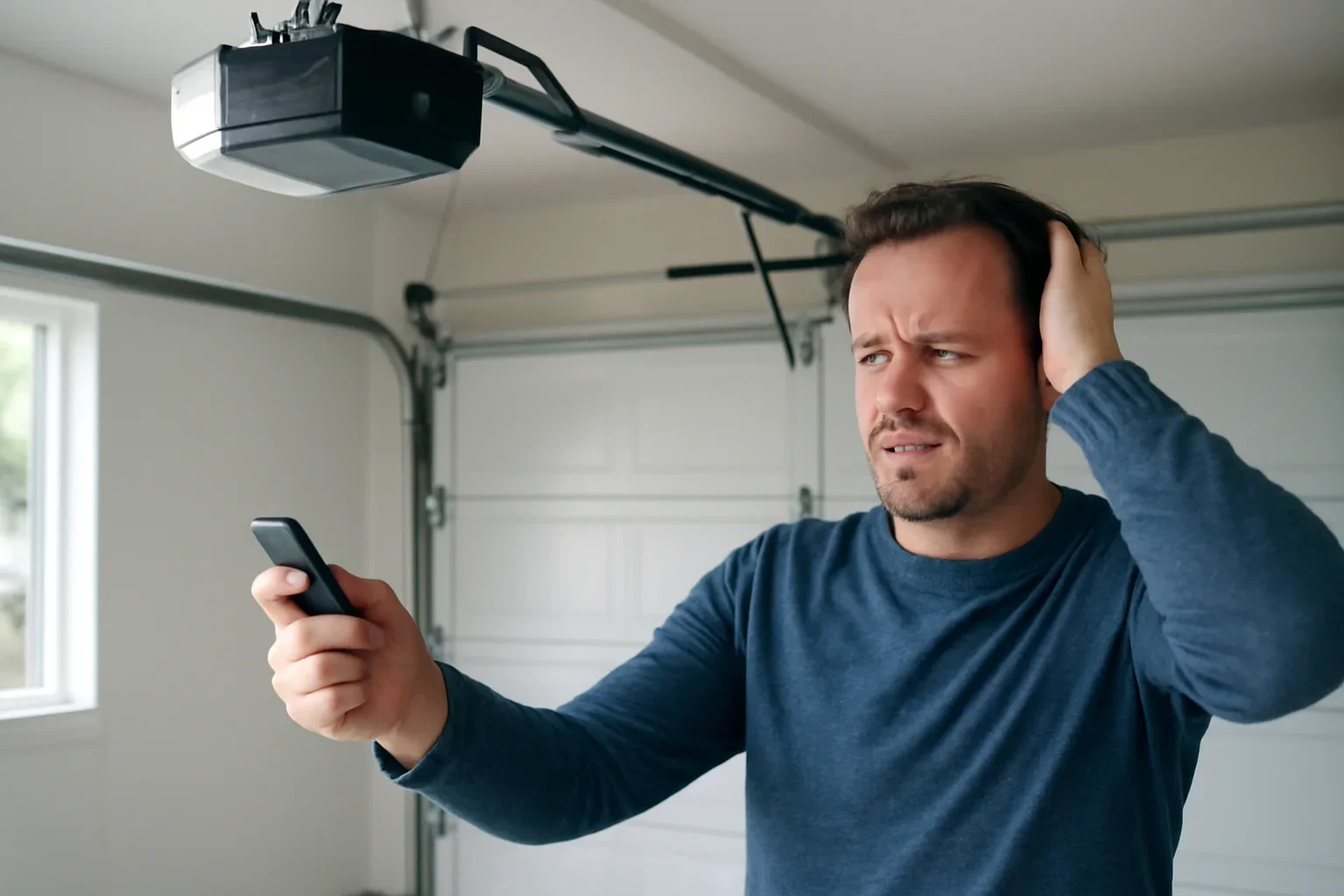
The same “opener not working” complaint can come from several parts of the system. The sound, movement and indicator lights help narrow the inspection without assuming the motor is automatically at fault.
A tripped breaker, unplugged unit, failed outlet, damaged wall control or internal electrical fault may prevent any response.
The motor may be receiving power but unable to move the trolley or door. A heavy or jammed door can create the same symptom.
Batteries, programming, signal interference, a locked wall console or a failed remote may be involved when the wall button still works.
Misaligned sensors, blocked tracks, incorrect travel settings or excess resistance can make the opener reverse before closing.
The trolley may be disconnected, the drive system may be worn, or a spring, cable or balance issue may prevent safe movement.
Travel limits, track resistance, damaged rollers or an under-supported door may stop movement before the opening cycle is complete.
A few basic observations can help identify a simple control issue. They should not involve removing covers, adjusting springs, moving cables or forcing a door that does not travel normally.
Do not keep pressing the remote when the door is crooked, off track, unusually heavy or connected to a damaged spring or cable. Repeated attempts can overload the opener and increase the repair.
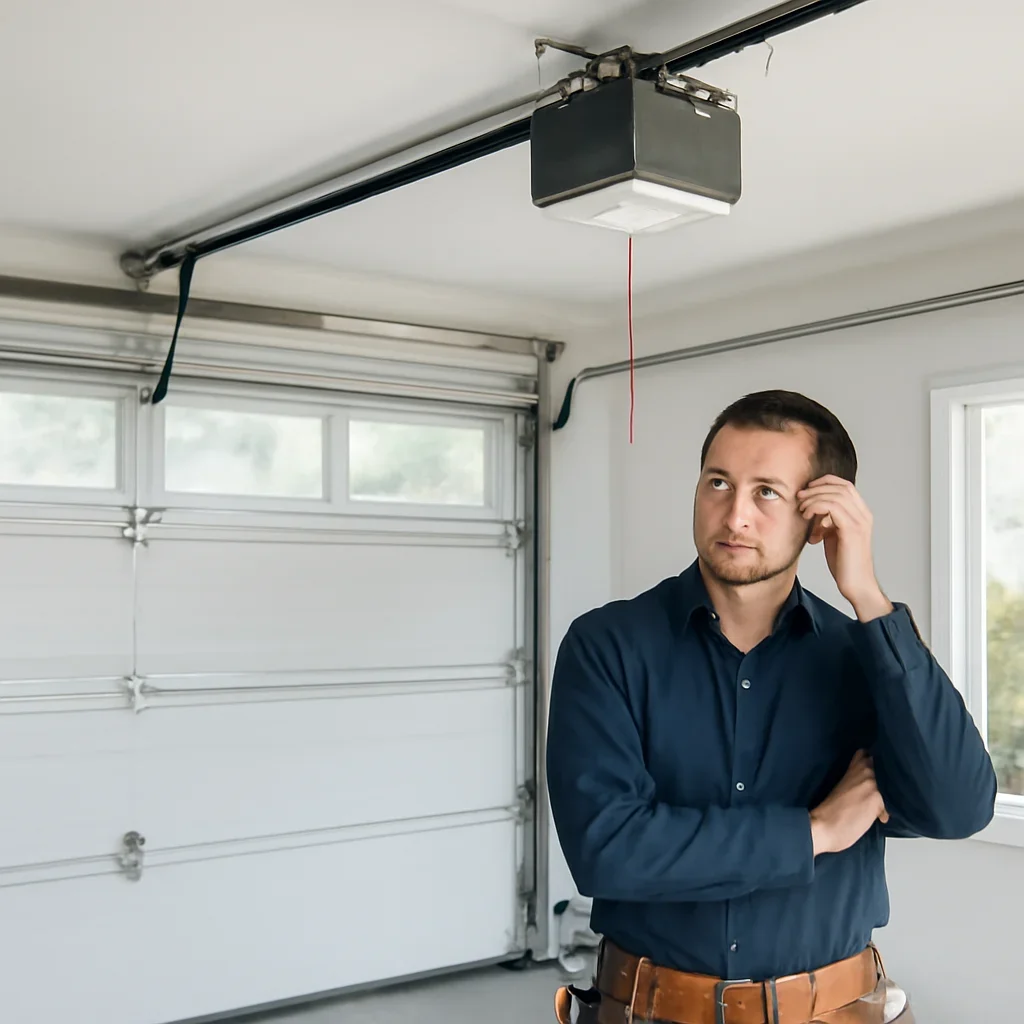
Replacing the motor will not solve a door that is too heavy, unbalanced, jammed or off track. A proper assessment separates the opener from the door, checks controlled manual movement and reviews the lifting system before recommending parts.
The inspection may include garage door balance and alignment , spring and cable condition, rollers, tracks, hinges, travel limits, force settings and safety reversal.
Electrical controls and mechanical door parts must work together. Moisture exposure, daily use, worn hardware and access-system changes can all affect opener reliability.
A failed remote or sensor does not automatically require a new motor. The right choice depends on the damaged part, the unit’s age, parts availability, safety features and the condition of the door itself.
Before replacing the opener, confirm that the door moves correctly and is properly balanced. Review garage door pricing guidance or learn about garage door opener installation .
Garage doors in North Vancouver serve detached homes, townhomes, strata parking areas, laneway garages, workshops and commercial spaces. The correct opener setup depends on the door’s weight, available overhead space, operating frequency and access controls.
Damp conditions may contribute to corroded connections, dirty sensors and sticking hardware. Sloped driveways and limited parking can also make reliable opening especially important when a vehicle cannot be moved until the door is restored.
Service requests may come from Lonsdale, Lynn Valley, Edgemont, Canyon Heights, Seymour, Deep Cove and nearby North Vancouver neighbourhoods. Strata and commercial requests should include access restrictions, operating hours and whether the problem affects residents, deliveries or business activity.
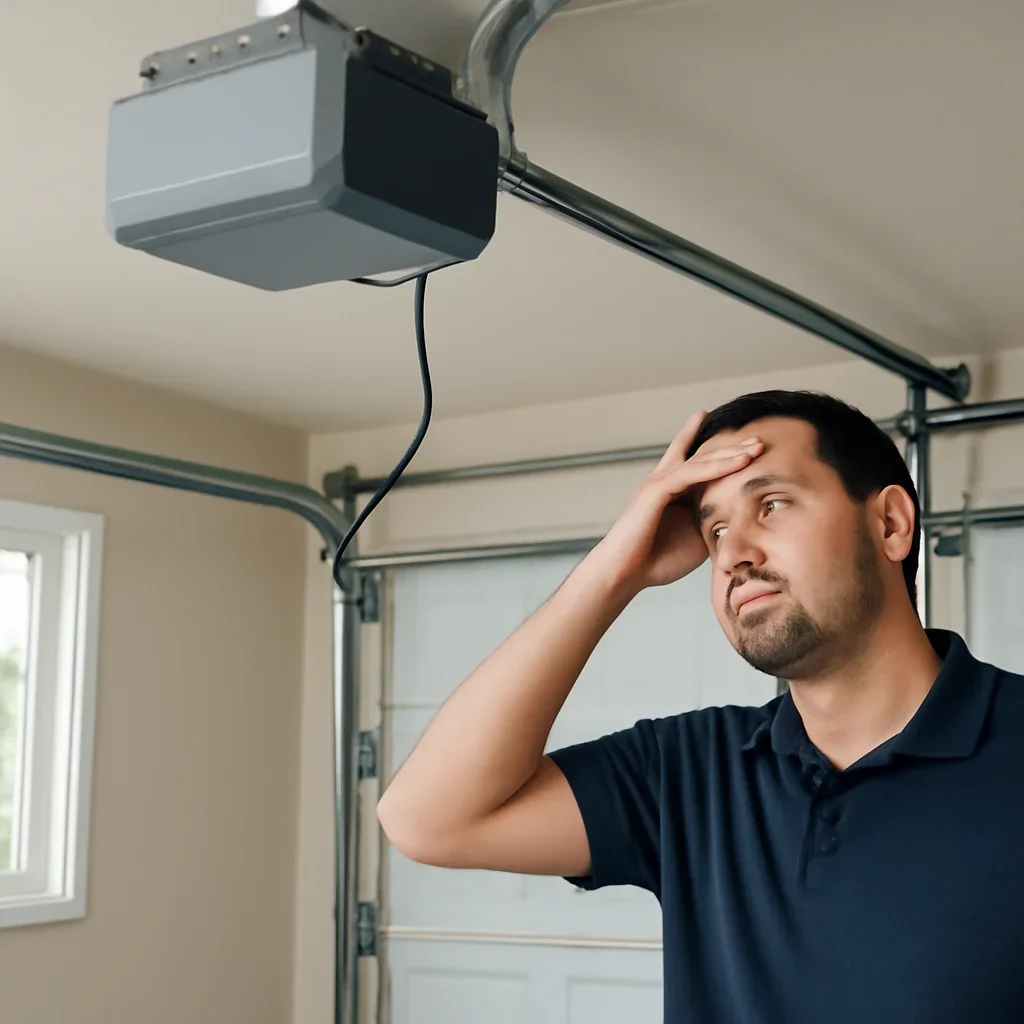
The goal is to identify whether the fault sits in the controls, motor, drive system, sensors or garage door. Testing the complete operating system helps prevent a new opener from being installed on a door that still has a mechanical problem.
Note which controls work, what the motor sounds like and how far the door moves before stopping or reversing.
Check springs, cables, tracks, rollers, balance and manual movement before placing more load on the opener.
Review power, controls, sensors, trolley, rail, drive system, travel settings and safety reversal.
Compare the failed component, parts availability, unit condition and long-term value before work proceeds.
An opener failure becomes urgent when it leaves the property unsecured, traps a vehicle needed immediately or accompanies a dangerous mechanical fault. A silent remote is usually less urgent than a crooked, hanging or uncontrolled door.
Use emergency garage door repair when safety, security or essential access cannot wait for a standard appointment.
These supporting services cover the most common issues discovered during an opener diagnosis.
These answers cover the first decisions property owners commonly face when an opener becomes unreliable.
The unit may be receiving power but unable to move the trolley or door. Possible causes include a worn drive component, a disconnected trolley, a heavy door, a broken spring, damaged cables or track resistance. Stop testing if the door looks uneven or feels unusually heavy.
The safety sensors may be blocked, dirty, misaligned or poorly wired. Incorrect travel settings or resistance from the door can also make the opener reverse because it detects an obstruction. A dedicated safety sensor inspection can confirm the cause.
The remote battery may be dead, the transmitter may need reprogramming, the wall console may be in lock mode or the remote itself may have failed. Signal interference or receiver problems are also possible.
Only consider manual operation when the door appears level and mechanically sound. A door with a broken spring may be extremely heavy and difficult to control. Do not pull the release or attempt to lift a crooked, off-track or visibly damaged door.
No. The problem may involve the remote, keypad, wall control, safety sensors, wiring, trolley, travel settings or the garage door itself. Diagnosis should identify the failed part before a new motor is recommended.
Yes. Springs counterbalance much of the door’s weight. When a spring fails, the opener may strain, stop, hum or lift the door only a few inches. Continuing to run the motor can damage the opener and other components.
Replacement may be practical when the motor or drive system has repeated failures, important parts are obsolete or you need updated safety, access or backup features. The door should still be checked for balance and resistance before installation.
Explain whether the wall control, remote and keypad respond, what sounds or lights you notice, how far the door moves and whether it looks level. Include your North Vancouver location and whether the failure affects security or vehicle access.
Let us know whether the opener clicks, hums, flashes, reverses or remains silent. Include which controls work, whether the door moves at all and whether it appears level and safe. Those details help direct the request to the right opener or garage door service.