The Door Has Become Noisy
Grinding, scraping, popping, rattling or vibration may involve rollers, hinges, tracks, springs, brackets or the opener. The sound and where it occurs should be compared with the door’s movement.
Review Noisy Door Symptoms
Get clearer answers when your garage door is noisy, unreliable, uneven or showing signs of wear. A detailed inspection reviews the door sections, springs, cables, rollers, tracks, opener, controls and safety components before repair or maintenance priorities are recommended.
A garage door inspection helps identify which components are worn, damaged, incorrectly adjusted or creating the reported symptom. It is useful when the cause is unclear, several problems appear together or you want to understand the door’s condition before approving repairs.
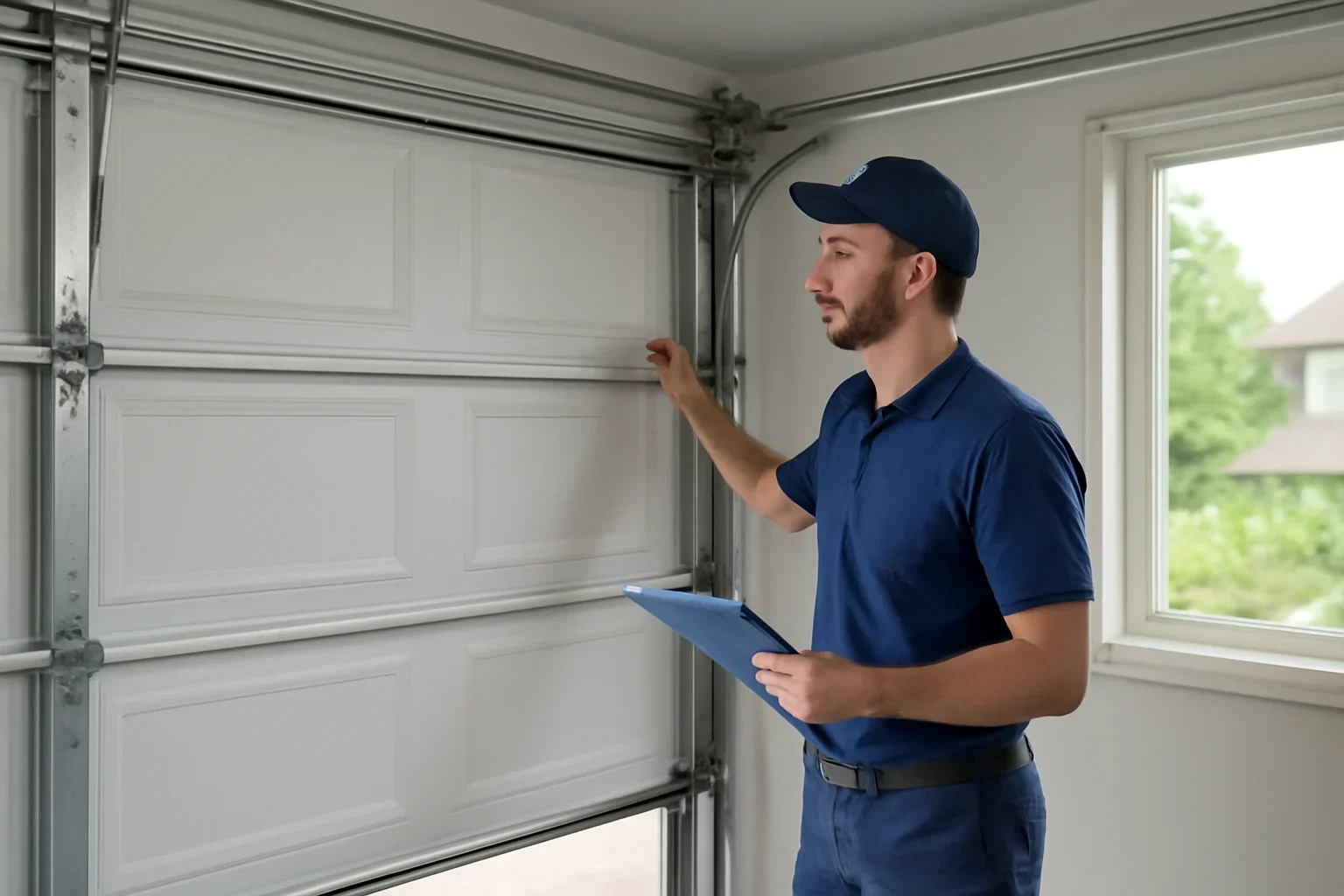
Garage doors depend on several connected systems. Springs counterbalance the door, cables transfer lifting force, rollers guide movement and tracks keep the door travelling through the correct path. The opener controls a door that should already move safely and smoothly.
A symptom in one area may be caused by a different component. An opener that appears weak may be pulling a heavy door. A noisy roller may be reacting to a bent track. A gap beneath the door may come from alignment rather than the weather seal.
Inspection helps separate these issues so the repair plan focuses on the source of the problem instead of replacing unrelated parts. When a specific fault is already clear, you can move directly to garage door repair in North Vancouver.
Learn more about North Vancouver Garage Doors and the residential, strata and commercial properties we assist.
Inspection is most useful when the symptom has more than one possible cause or when you need a clearer view of the complete system before choosing repair, maintenance or replacement.
Grinding, scraping, popping, rattling or vibration may involve rollers, hinges, tracks, springs, brackets or the opener. The sound and where it occurs should be compared with the door’s movement.
Review Noisy Door SymptomsA heavy, drifting or crooked door may involve springs, cables, tracks or rollers. The opener should not be used to compensate for poor balance or mechanical resistance.
Review Balance And AlignmentIf the opener stops, reverses, strains or responds inconsistently, the inspection should separate motor and control problems from a heavy or binding garage door.
Review Opener And Remote RepairSensor faults, track resistance, travel settings, floor obstructions and alignment problems can all prevent dependable closing.
Review Closing ProblemsInspection can help organize visible wear, recurring repairs and parts that may need attention soon. This gives you a clearer basis for comparing repair and replacement.
Review Door ReplacementA condition review can identify developing wear before routine maintenance is completed, helping focus attention on the parts that most affect movement and reliability.
Review Maintenance And Tune-UpsThe inspection should connect visible component condition with how the door moves, sounds and responds during normal operation.
The door sections form the moving surface and must remain connected, supported and suitable for continued operation.
The lifting system should counterbalance the door and help both sides move together in a controlled way.
Rollers and tracks should guide the door without heavy friction, sharp movement or contact with damaged hardware.
The opener should control a serviceable door and respond correctly to wall controls, remotes, keypads and safety devices.
Inspection identifies condition and priorities. Repair pricing depends on which components need adjustment, service or replacement. Review our garage door pricing guidance when planning the next step.
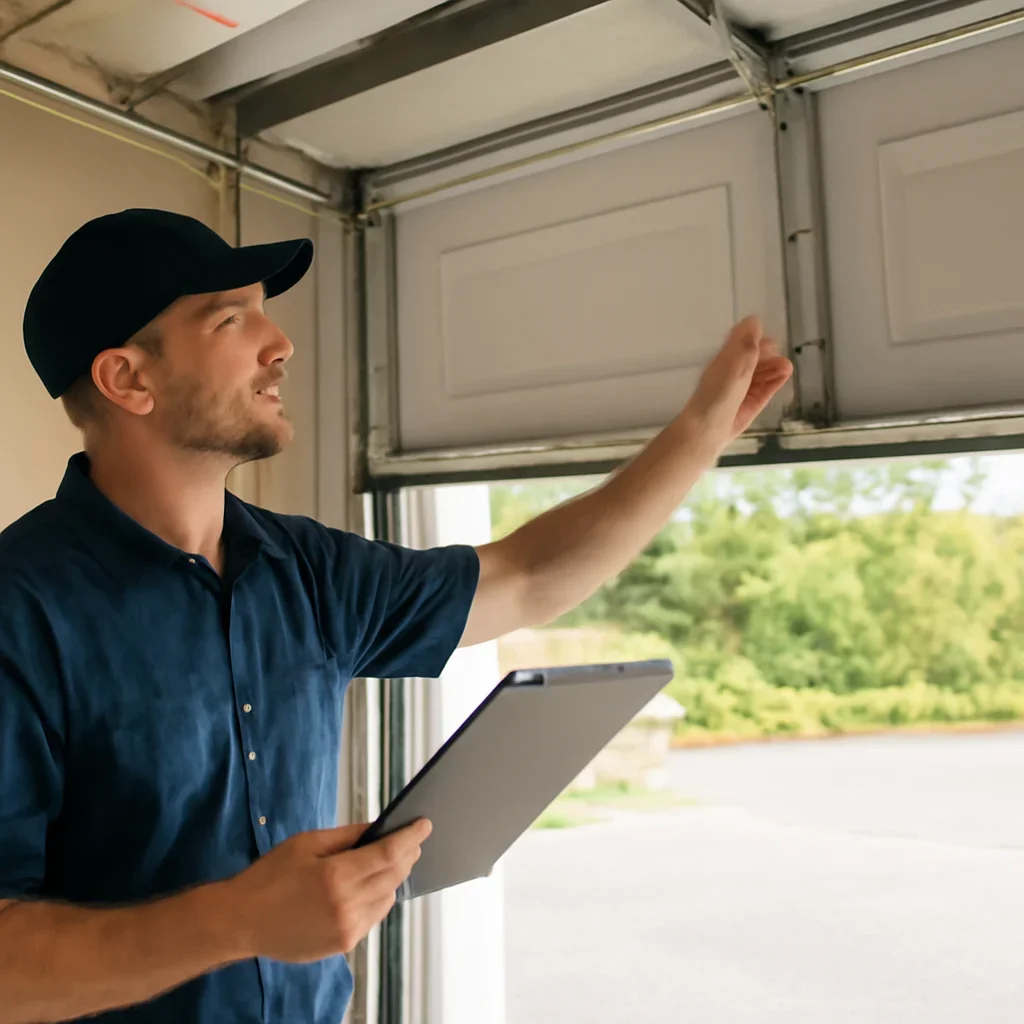
North Vancouver garage doors serve compact attached garages, detached buildings, sloped driveways, underground strata access and commercial service bays. Door size, operating frequency and access needs all affect which components experience the most wear.
Wet conditions can contribute to corrosion around lower tracks, fasteners, rollers, bottom-panel edges and seal retainers. Damp leaves, grit and debris near the threshold may also interfere with closing or hide developing damage.
High-use strata and commercial doors may complete many more cycles than a typical residential door. Inspection should consider how often the system operates and how disruptive a future failure would be for residents, vehicles or business access.
These services can overlap, but they serve different needs. The right starting point depends on whether you need diagnosis, preventive attention or correction of a known failure.
Choose inspection when several symptoms appear together, the door’s condition is unknown or you want a clearer view of repair and maintenance priorities.
Maintenance is suited to a functioning door that needs routine checks, lubrication, tightening and attention to normal wear before reliability declines.
Move directly to repair when a spring is broken, a cable is loose, the door is off track, a panel is damaged or the opener has a confirmed fault.
An inspection may lead to no immediate repair, a focused adjustment, maintenance recommendations or a component-specific service plan. The aim is to match the next step to the actual condition of the system.
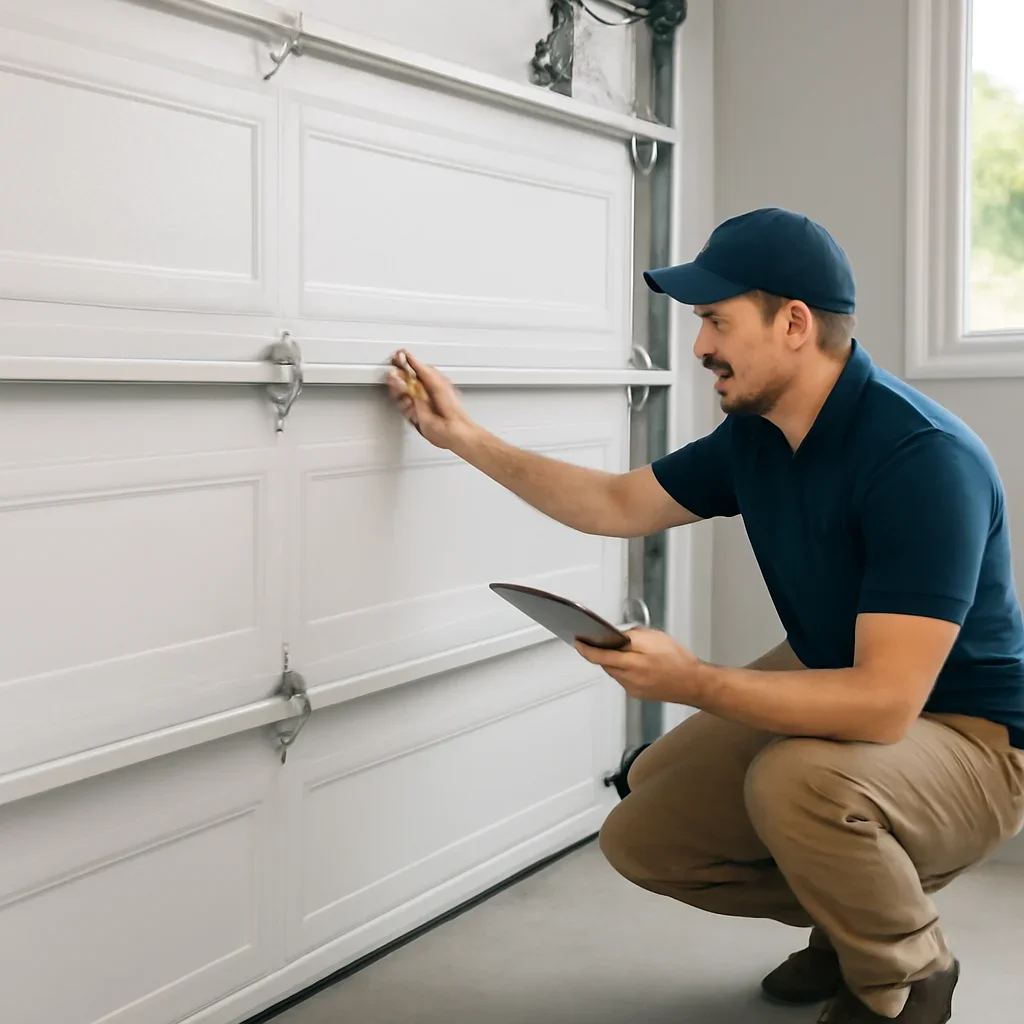
The inspection begins with the reported symptom, follows the door through manual and powered movement, and connects findings with practical service priorities.
Inspection priorities should reflect the door’s size, daily use, number of users and the impact of unexpected downtime.
Review door condition when movement, noise or opener reliability changes, or when an older system has several parts showing visible wear.
Shared systems may require coordinated access, review of frequent-cycle wear and clear priorities for components that affect residents and common parking areas.
Commercial inspections should consider operating frequency, vehicle movement, authorized access and the effect of door downtime on daily business.
Commercial Garage Door ServiceWe assess residential, strata and commercial garage doors throughout the City and District of North Vancouver.
These answers cover inspection scope, warning signs, maintenance, repair recommendations and information to provide before service.
An inspection can review the door sections, hinges, springs, cables, rollers, tracks, brackets, opener, controls, sensors, balance and general movement. The exact scope should reflect the reported symptoms and property type.
Schedule an inspection when the door becomes noisy, heavy, uneven, unreliable or difficult to close, or when several parts appear worn and the cause is not clear.
Not exactly. Inspection focuses on identifying condition, causes and priorities. A tune-up focuses on preventive service for a functioning system. Inspection may show that maintenance, adjustment or repair is the appropriate next step.
Yes. The door can be tested separately from the opener to determine whether the motor is failing or whether a heavy, binding or poorly balanced door is creating the extra load.
No. Findings may include urgent repair, preventive maintenance, monitoring of normal wear or longer-term replacement planning. The recommendation should reflect condition, use and safety.
Yes. A functioning door can still have worn rollers, loose hardware, weakened springs, poor balance or early opener problems. Inspection can help identify these issues before the door stops working.
Stop using the door if a spring is visibly broken, a cable is loose, a roller has left the track, the door hangs sharply to one side or the system moves in an uncontrolled way.
Describe the noise, movement or access problem, when it occurs and whether the opener still works. Mention any recent impact, loose cable, broken part or visible damage and include your North Vancouver neighbourhood.
You can also review our garage door FAQs, explore garage door problem guides or contact customer support.
Describe whether the door is noisy, heavy, uneven, slow, unreliable or difficult to close. Include when the symptom occurs and any visible spring, cable, roller, track, panel or opener issue.
Service requests are handled according to our Privacy Policy and Terms of Service.