Blocked Sensor Beam
Storage bins, bicycles, tools, leaves or other objects can interrupt the beam. Even a small item close to the floor may prevent the door from closing normally.

Is your garage door refusing to close, reversing before it reaches the floor or showing blinking sensor lights? We diagnose alignment, wiring, power, moisture and obstruction problems affecting garage door safety sensors at homes, strata properties and commercial buildings across North Vancouver.
A door that will not close may have a blocked, dirty, wet or misaligned safety sensor. The problem may also involve damaged wiring, loose brackets, opener settings or resistance elsewhere in the door. A complete check helps confirm the actual cause before parts are replaced.
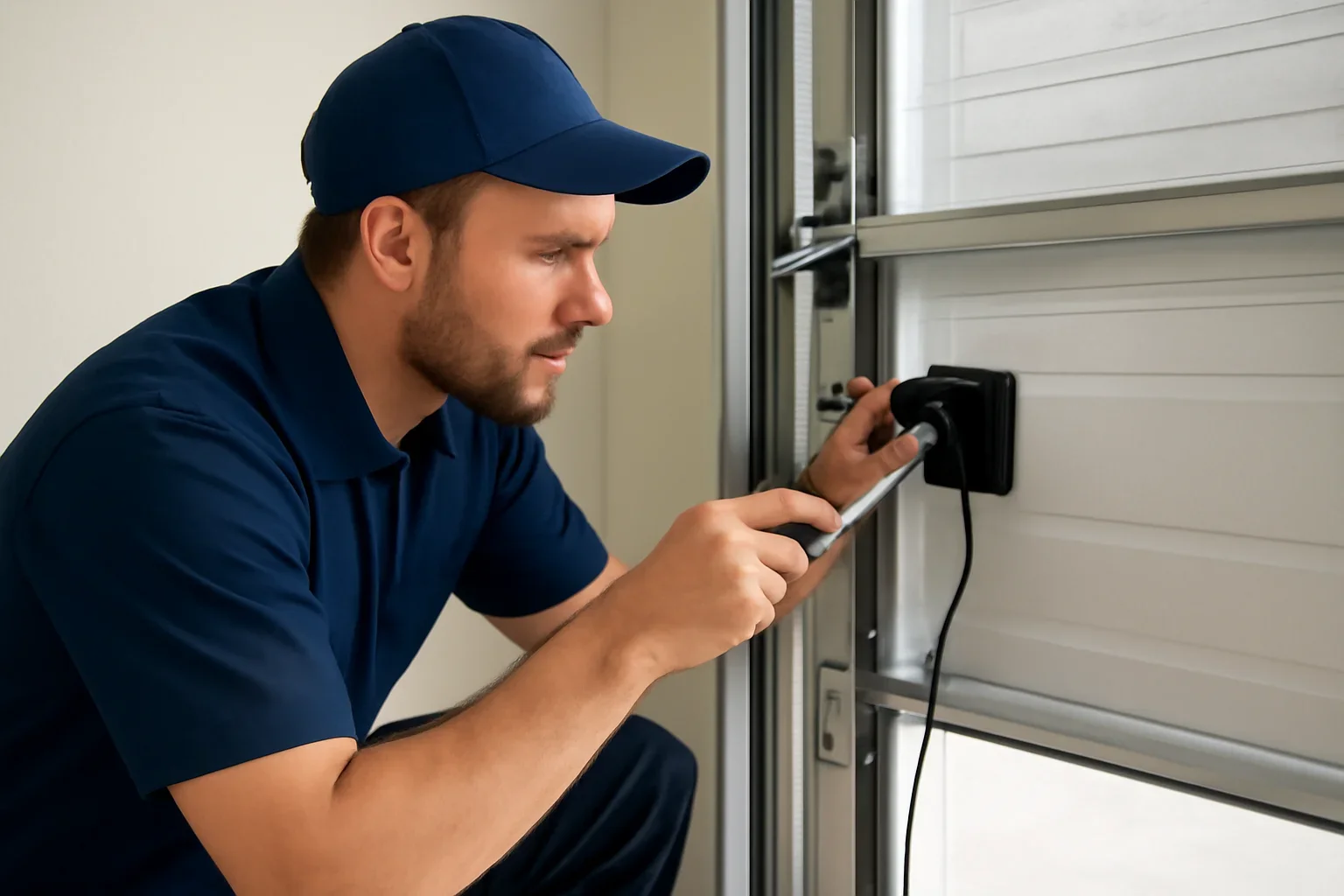
Garage door safety sensors are normally installed near the bottom of the opening, with one unit on each side. They create a beam across the doorway. If that beam is blocked or the sensors cannot communicate correctly, the opener may prevent the door from closing or reverse it as a safety response.
A sensor warning does not always mean both sensors need replacement. Dirt, stored items, a shifted bracket, loose wiring, moisture or a loss of power can create similar symptoms. The opener, tracks, rollers and door balance can also cause reversal when the door meets resistance.
Review our guide to garage door sensors that are not working for more information about common symptoms. For a wider system assessment, request garage door repair in North Vancouver.
You can also learn more about North Vancouver Garage Doors and the types of residential, strata and commercial properties we assist.
Several issues can produce the same symptom. The repair should address the actual fault rather than replacing sensors before checking alignment, wiring, power and door movement.
Storage bins, bicycles, tools, leaves or other objects can interrupt the beam. Even a small item close to the floor may prevent the door from closing normally.
Dust, cobwebs, road grit, condensation or water droplets can interfere with the lens. The symptom may appear after wet weather or cleaning around the garage opening.
A sensor can be knocked out of position by a vehicle, garbage bin, shovel or stored item. Vibration may also loosen a bracket and cause intermittent alignment problems.
A loose connection, pinched wire or damaged low-voltage cable can interrupt power or communication. Wiring should be checked along with the sensor and opener connections.
Review Opener And Control RepairA damaged sensor may need replacement, but the correct parts must be compatible with the opener. Replacing one sensor without confirming the system can leave the fault unresolved.
Bent tracks, seized rollers, poor balance or incorrect opener settings can make the door reverse even when the sensor beam is clear.
Request A Complete Inspection
North Vancouver’s wet coastal conditions can bring water, road grit, leaves and debris into the lower part of a garage opening. Moisture on the lens, corrosion around connections or movement in a sensor bracket can make a closing problem appear after heavy rain or during damp weather.
In denser neighbourhoods such as Lower and Central Lonsdale, garage doors may serve townhomes, shared parking areas or high-use strata properties. Sensors can be exposed to more vehicle movement, cleaning equipment, storage and accidental contact near the floor.
Detached garages and residential properties throughout the District may experience different conditions, including exposed openings, sloped driveways, landscaping debris and longer periods between regular maintenance. The repair should consider the property as well as the sensor itself.
A reversing door is not always caused by the safety sensors. Checking the complete system helps prevent unnecessary parts replacement and repeated service calls.
The safest diagnosis separates the opener from the door, checks manual movement and balance, confirms sensor alignment and then tests closing and safety reversal. Review garage door balance and alignment when the door feels heavy or moves unevenly.
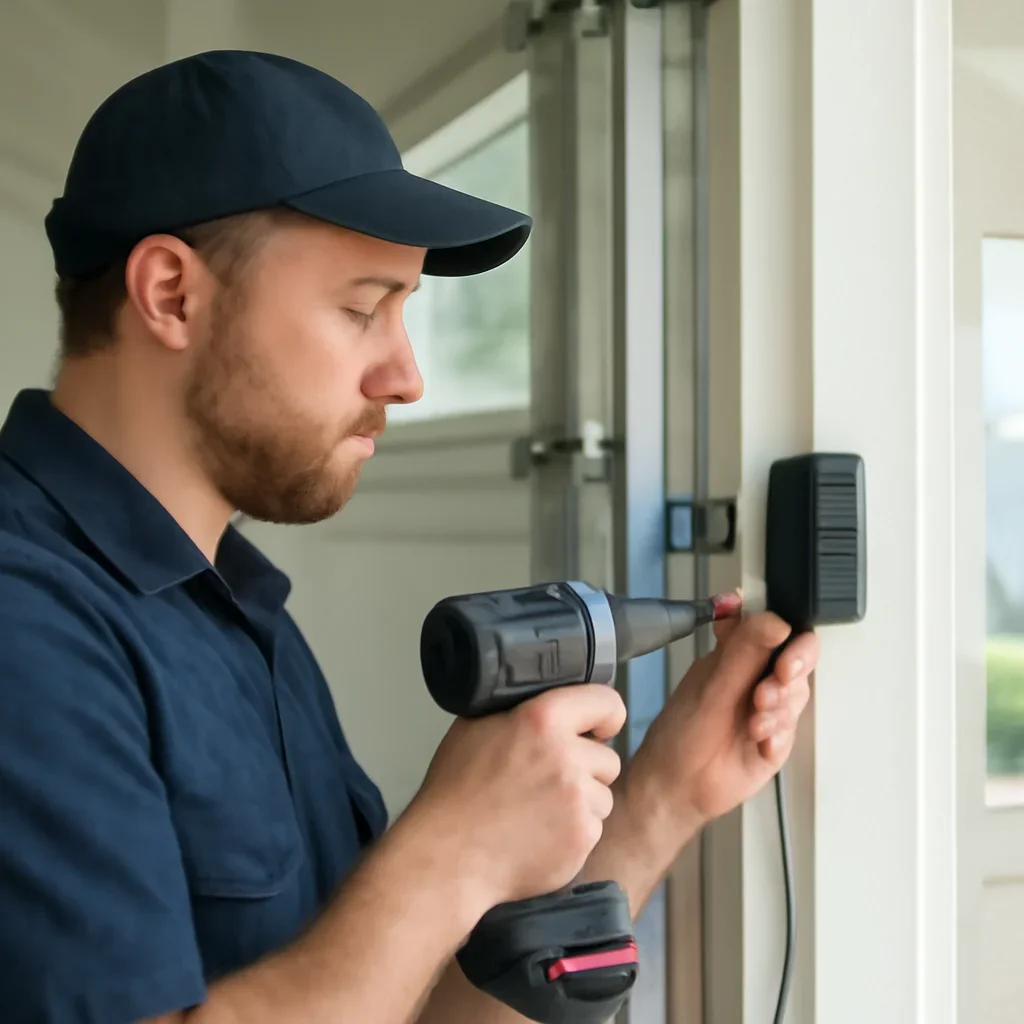
Sensor service should confirm why the door will not close, correct the underlying fault and test the complete safety system before the work is considered finished.
Access, traffic, door size and daily use affect how a sensor fault should be diagnosed and how service should be scheduled.
Restore dependable closing for family vehicles, storage and home security. The assessment can also check opener performance, remotes, keypads and developing door resistance.
High-use doors may require coordination around residents, vehicles and access. Include the door location, operating schedule and whether the fault affects multiple users.
Commercial sensor problems can interrupt deliveries, staff access and vehicle movement. The repair should account for door size, operating frequency and business downtime.
Commercial Garage Door ServiceWe assist with sensor, opener and closing problems at residential, strata and commercial properties across the City and District of North Vancouver. Select the area closest to your property for more local service information.
These answers cover common sensor symptoms, safe initial checks and the difference between sensor, opener and door problems.
The safety sensor beam may be blocked, the lenses may be dirty or wet, or the sensors may be out of alignment. Loose wiring, a damaged sensor or resistance in the garage door can create a similar symptom. Note whether the sensor lights blink and whether the opener light shows an error pattern.
The opener may be responding to a blocked sensor beam, incorrect travel settings or resistance while the door moves. Tracks, rollers, balance and closing force should be checked when cleaning or aligning the sensors does not solve the problem.
A blinking light commonly indicates that the sensors are not aligned, cannot communicate or have a wiring or power problem. The exact indicator pattern can vary by opener, so the sensor pair and opener should be checked together.
Moisture, condensation, dirt and corrosion can affect a sensor lens, bracket, wire connection or nearby hardware. An intermittent fault that appears during wet weather should be inspected rather than treated as a permanent alignment issue without further testing.
You can safely check whether a bracket appears loose or whether an object is blocking the beam. Avoid bypassing the sensors or making wiring changes without the correct information. Professional service is appropriate when alignment will not hold, wiring is damaged or the door continues to reverse.
Not automatically. The repair depends on the opener, sensor design, compatibility and cause of the failure. Some systems use a matched pair, while other problems can be resolved through alignment, bracket repair, wiring correction or replacement of one failed part.
Opener problems may affect the motor, controls, travel, force settings or power. A complete check compares sensor indicators with manual door movement and opener behaviour. Remote or keypad problems may require garage door remote or keypad programming.
Explain whether the door will not close, reverses or works intermittently. Mention which sensor lights are on or blinking, when the problem began, whether the sensors were bumped and whether wet weather affects the symptom. Include your North Vancouver neighbourhood and whether the opening can currently be secured.
For more information, review our garage door FAQs, browse garage door maintenance and tune-ups or contact customer support.
Describe whether the door remains open, reverses, closes only while holding the wall control or works intermittently. Include your neighbourhood and tell us what the sensor indicator lights are doing.
Service requests are handled according to our Privacy Policy and Terms of Service.
