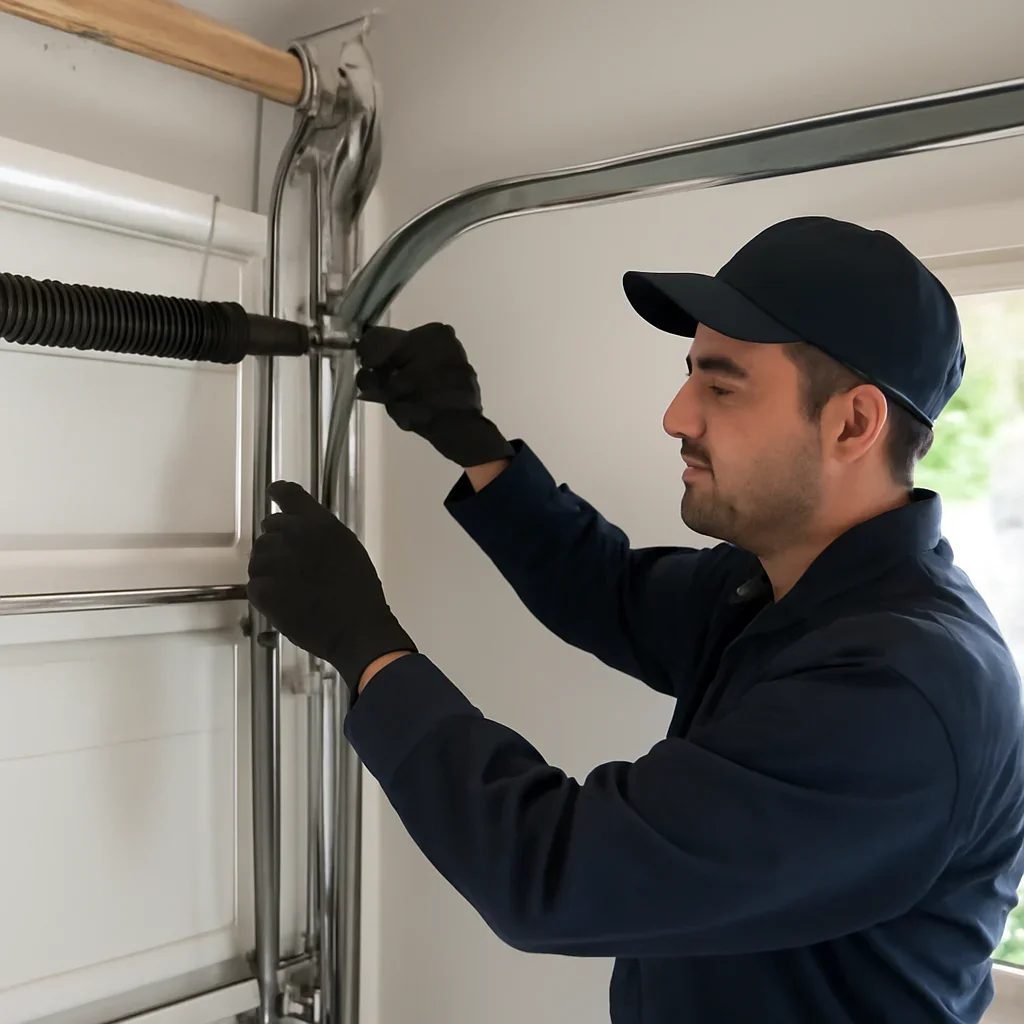
Describe the failure
Share the sound, door position, visible spring gap, hanging cable, uneven movement, trapped vehicle, and access conditions.

Springs and cables support the weight of the garage door and help it move in a controlled way. When one fails, the door can become heavy, crooked, stuck, or unstable. The safest repair plan checks the complete lifting system before normal operation resumes.
Stop using the door when you see a broken spring, loose cable, uneven lifting, or sudden loss of support. These components operate under significant tension and should be inspected and repaired professionally.
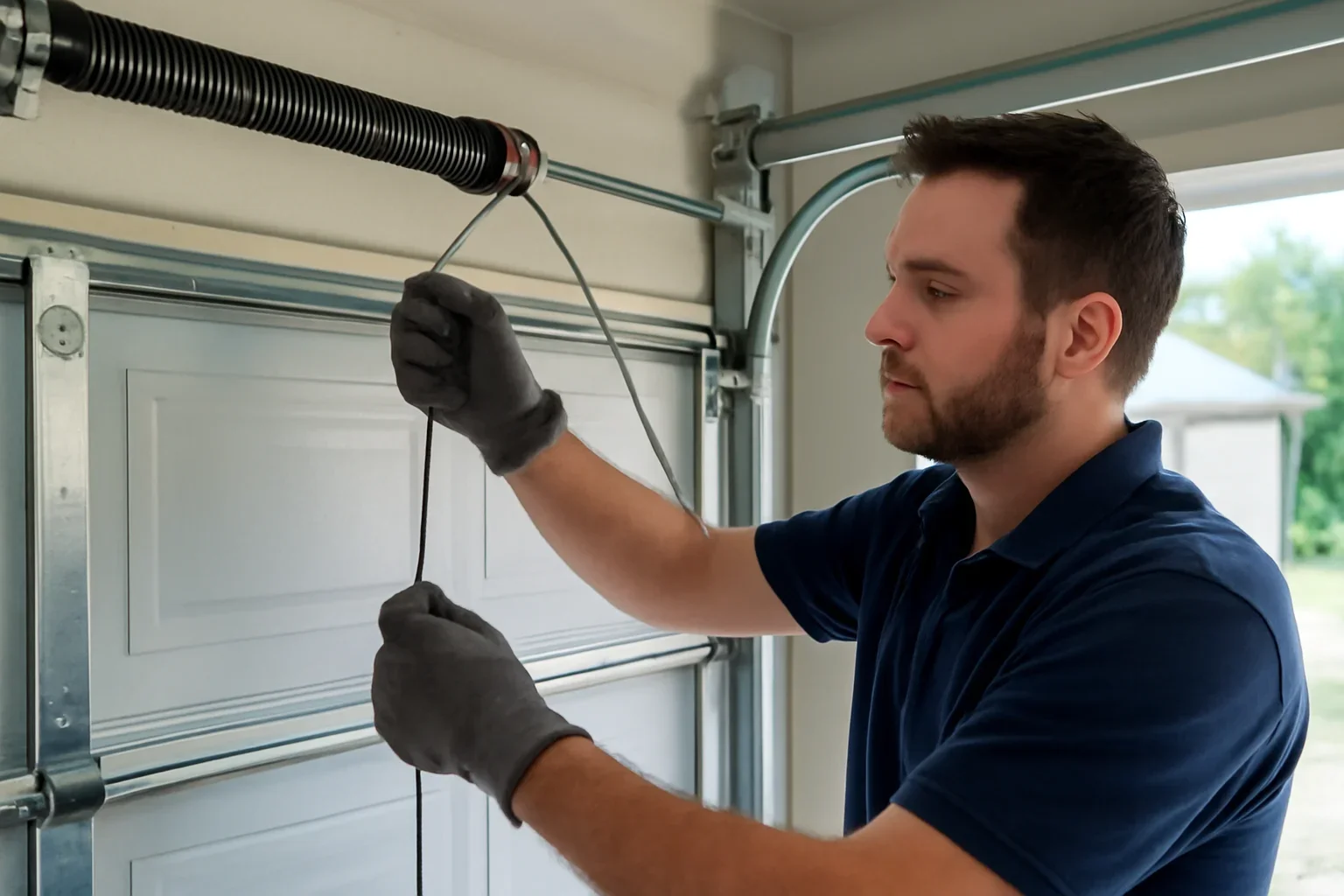
A damaged lifting system can leave the door unstable or place excessive load on the opener. Keep children, pets, vehicles, and stored items away from the travel path until the door has been assessed.
Spring and cable failures can look similar from the outside. These focused pages explain the symptoms and likely repair category without asking you to handle the high-tension parts.
For a spring gap, loud snap, heavy door, failed lift, or opener that runs without raising the door normally.
Review broken spring repair →For hanging cable, cable off the drum, uneven lifting, one-sided movement, or a door that becomes crooked.
Review cable repair →For homeowners who heard a sudden noise or noticed a heavy door but cannot clearly see which part failed.
Compare spring symptoms →For uneven movement, loose cable near the track, cable on the floor, or a door that is no longer supported evenly.
Compare cable symptoms →For a door that drifts, drops, rises unevenly, feels too heavy, or places obvious strain on the opener.
Review balance and alignment →For a trapped vehicle, unsecured opening, off-track movement, hanging door, or sudden failure that affects safe access.
Review urgent repair guidance →North Vancouver homes and properties include attached garages, older detached garages, strata parking, sloped driveways, and openings exposed to coastal moisture. These conditions can affect corrosion, daily cycles, door balance, and access for repair.
Damp air and water exposure can affect cables, drums, fasteners, bearings, and other metal lifting components.
A door used as the main household entrance can place more cycles on the springs, cables, rollers, and opener.
Sloped driveways, narrow lanes, shared entrances, and parkade limits should be included in the first service request.
A broader garage door inspection can help identify related wear after a spring, cable, drum, or balance failure.
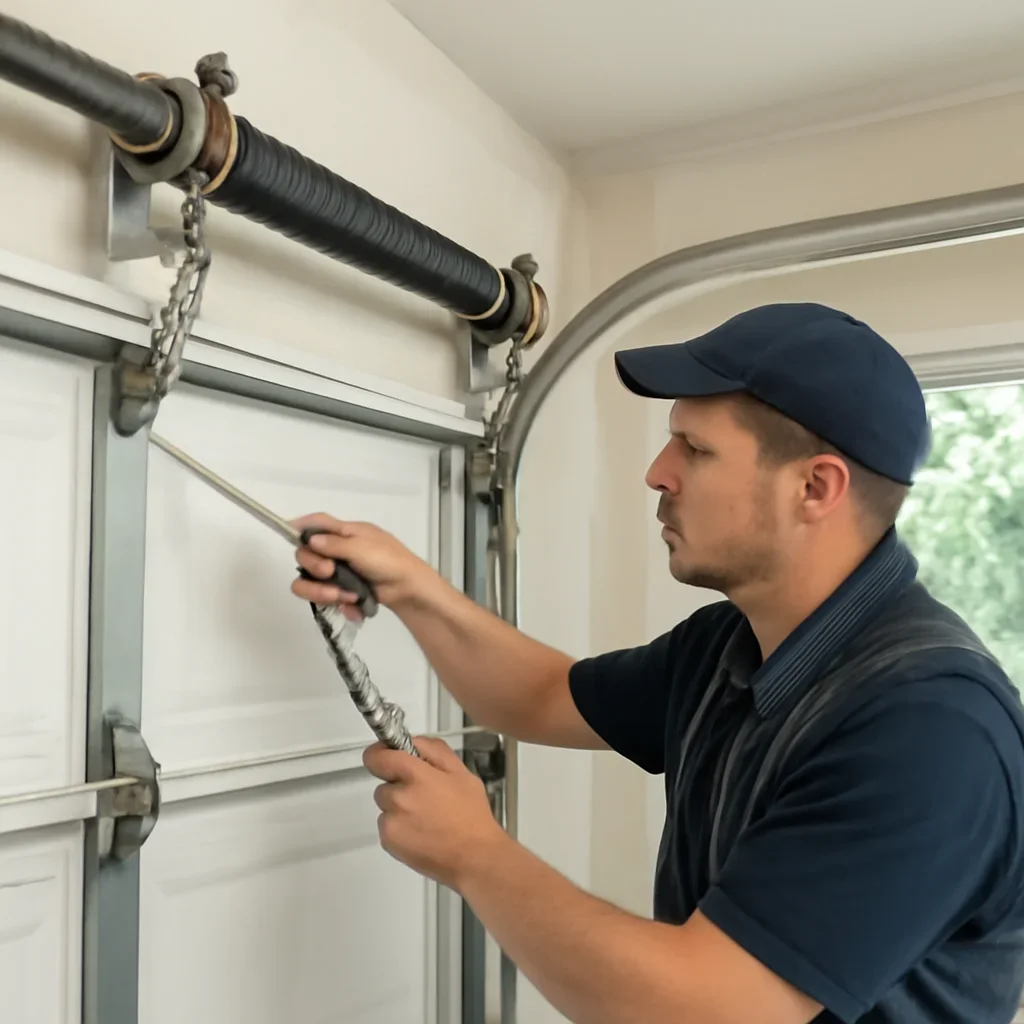
A spring or cable failure can affect more than one component. The repair should confirm that the door is supported evenly and that connected parts are not damaged or overloaded.
Bent, loose, or misaligned tracks can contribute to binding and uneven movement after a lifting-system failure.
Review track repair →Worn or damaged rollers can increase resistance, noise, vibration, and load on the springs, cables, tracks, and opener.
Review roller replacement →An opener may struggle or stop working when the door is too heavy, unbalanced, binding, or no longer supported correctly.
Review opener repair →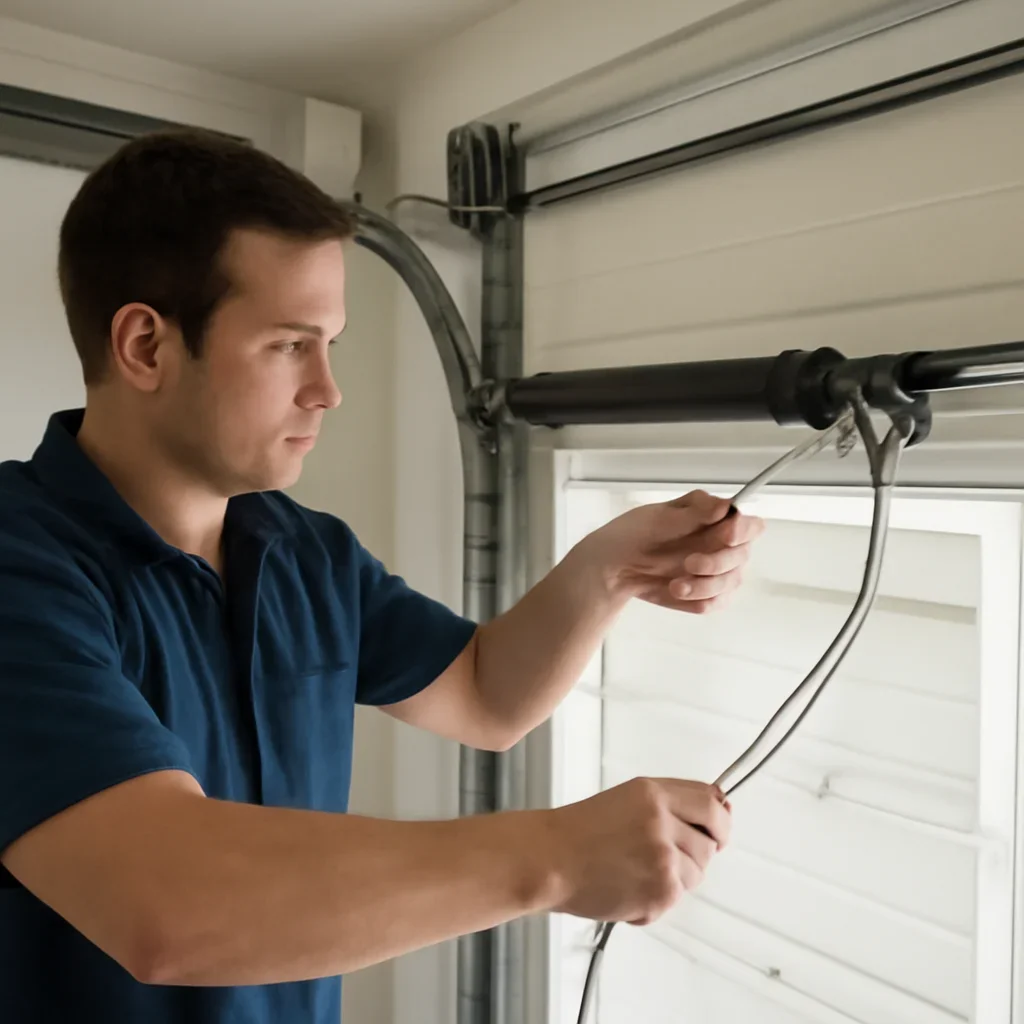
The goal is to restore controlled lifting, even support, and proper balance while confirming that the failure did not damage connected components.
Review the spring condition, door weight, cycle wear, mounting, and whether the lifting system matches the door.
Check for fraying, slack, damage, uneven winding, corrosion, movement, and signs of load on one side.
Confirm the tracks, rollers, balance, alignment, opener load, controls, and safe full-cycle operation.
Spring and cable repair should focus on the failed part, the condition of the related lifting hardware, and the way the complete door moves afterward.
Share the sound, door position, visible spring gap, hanging cable, uneven movement, trapped vehicle, and access conditions.
Confirm that the door is stable, supported, and safe to assess before testing any movement or connected equipment.
Address the failed spring, cable, or related hardware based on the door's size, weight, setup, and inspected condition.
Check even lifting, controlled travel, tracks, rollers, opener load, controls, safety reversal, and closing position.
Housing age, door size, moisture exposure, driveway access, daily use, and garage configuration vary by area. Use the local page closest to the property.
These answers cover broken spring signs, cable damage, safe next steps, and local conditions that can affect wear.
Common signs include a loud snap, a visible gap in a torsion spring, a door that feels unusually heavy, uneven lifting, or an opener that runs but cannot lift the door normally.
A damaged cable may appear loose, frayed, hanging, off the drum, or broken. The door may rise unevenly, become crooked, jam, or place more load on one side.
No. Stop using the opener, keep people and vehicles clear, and arrange professional assessment. Springs and cables are part of the lifting system and can leave the door unstable.
Yes. Moisture, temperature changes, wet debris, high daily use, older hardware, poor balance, and opener strain can contribute to wear in springs, cables, drums, bearings, and related parts.
Include whether you heard a snap, saw a spring gap or hanging cable, noticed uneven lifting, found the door stuck open or closed, or have a vehicle trapped inside.